
Hemp Recreational Alternatives: What They Are in 2026
A hemp recreational alternative is a cannabis-derived product designed to deliver relaxation and enjoyment without the psychoactive “high” associated with traditional delta-9 THC. These products are built around cannabinoids like CBD, delta-8 THC, and THCA, each offering a distinct experience profile. The category has grown significantly as consumers seek ways to unwind, socialize, and de-stress without the intensity of conventional marijuana. Understanding what separates hemp alternatives from standard cannabis products requires a clear look at the biochemistry, the legal framework, and the real safety considerations that shape every purchase decision in 2026.
What is a hemp recreational alternative and how does it work?
A hemp recreational alternative is any product derived from the Cannabis sativa L. plant that prioritizes relaxation or enjoyment while staying within legal THC limits. The industry term for this category is “hemp-derived cannabinoid products,” and it covers everything from CBD tinctures and CBG gummies to THCA vapes and delta-8 edibles.
CBD is not intoxicating, while THC is the compound responsible for the psychoactive high in cannabis. This distinction is the foundation of the entire hemp alternatives market. CBD interacts with the body’s endocannabinoid system through different receptor pathways than delta-9 THC, which is why it produces calm without cognitive impairment.
Delta-8 THC and THCA occupy a middle ground. Delta-8 THC is a naturally occurring cannabinoid that produces mild psychoactive effects, noticeably weaker than delta-9 THC. THCA is the raw, acidic precursor to THC found in the live plant. In its unheated form, THCA is non-intoxicating. When exposed to heat through smoking or vaping, THCA converts to delta-9 THC through a process called decarboxylation. That conversion matters enormously for both effects and legal compliance.
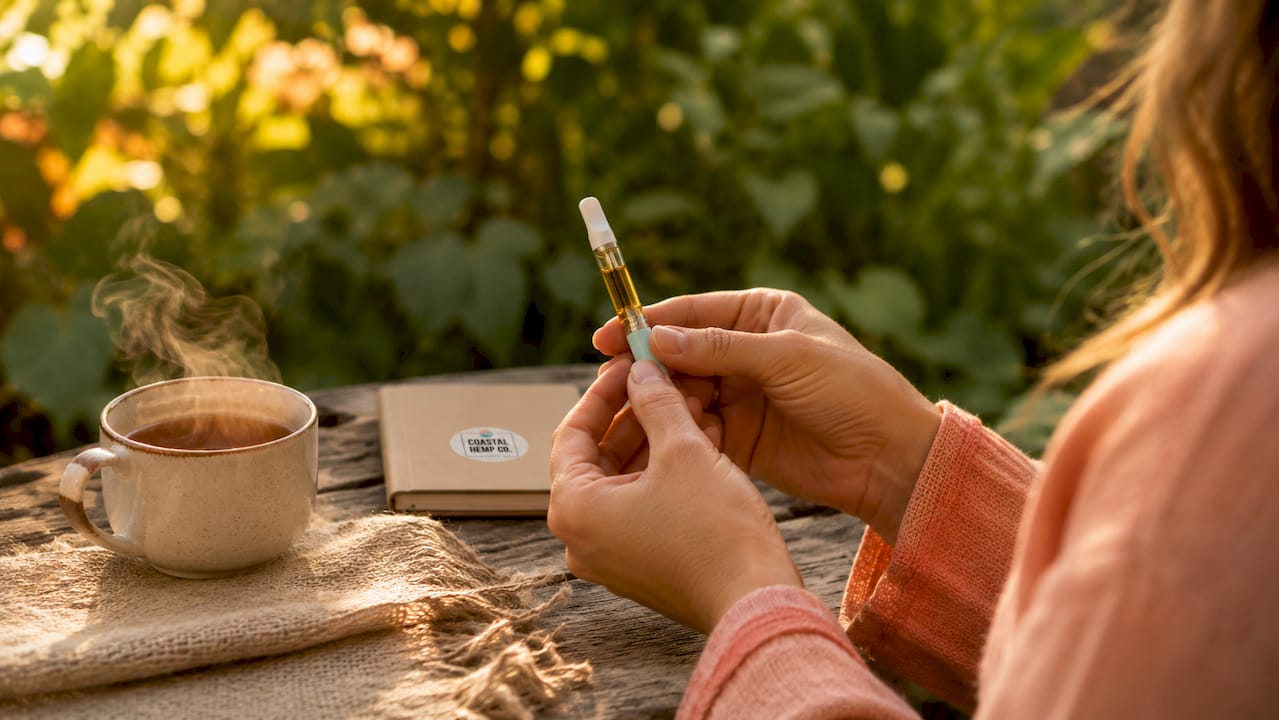
| Cannabinoid | Psychoactive? | Legal Status (Federal) | Common Use |
|---|---|---|---|
| CBD | No | Legal (hemp-derived) | Relaxation, stress relief |
| Delta-8 THC | Mildly | Legal if hemp-derived, varies by state | Mild euphoria, relaxation |
| THCA | No (raw form) | Regulated under total THC rules | Vapes, concentrates |
| Delta-9 THC | Yes | Illegal federally above 0.3% | Traditional cannabis high |
| CBG | No | Legal (hemp-derived) | Focus, calm |
| CBN | No | Legal (hemp-derived) | Sleep support |
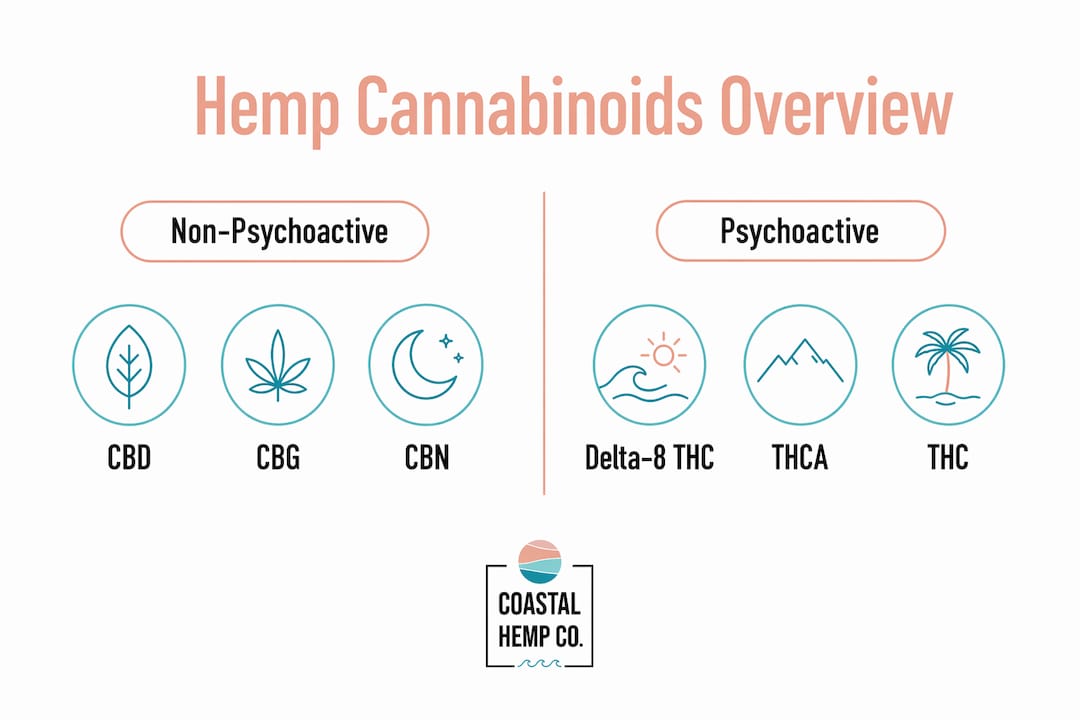
Pro Tip: When shopping for a non-intoxicating hemp product, look specifically for CBD-dominant or CBG-dominant formulas with a verified Certificate of Analysis (COA) showing total THC below 0.3%.
How is hemp defined legally, and what changed in 2025?
Hemp’s legal identity in the United States is defined by THC concentration, not by plant species. Hemp is legally defined as Cannabis sativa L. with no more than 0.3% delta-9 THC on a dry-weight basis, a threshold established by the 2018 Farm Bill. Products meeting that threshold are excluded from Schedule I classification under federal law, which opened the door for the entire hemp-derived cannabinoid market.
The 2025 amendments to the hemp definition changed the calculation significantly. Federal law now includes total THC including THCA in the 0.3% threshold, not just delta-9 THC alone. This change directly addresses the loophole where high-THCA hemp products were technically legal on paper but could convert to fully intoxicating delta-9 THC when heated. The new rule closes that gap.
State-level regulation adds another layer of complexity. Several key distinctions consumers need to understand:
- Federal hemp law sets the baseline THC threshold at 0.3% total THC, effective November 12, 2026.
- State recreational marijuana laws commonly cap THC per serving at 5 mg or 10 mg, with some states applying similar caps to hemp-derived edibles.
- Hemp vs. marijuana is a legal distinction, not a botanical one. Both come from Cannabis sativa L. The difference is entirely the THC percentage.
- Hemp-derived cannabinoids like CBD, CBG, and CBN are federally legal when extracted from compliant hemp, but individual states can and do restrict them further.
- THCA products now fall under total THC calculations federally, meaning a product with 25% THCA flower is no longer compliant under the updated definition.
The Baker Institute notes that hemp product availability has outpaced consistent regulatory frameworks, which creates real consumer risk. Knowing your state’s specific rules before purchasing is not optional. It is the baseline for responsible use.
What are the safety risks of hemp recreational products?
Hemp does not mean harmless. The CDC documented mass THC intoxications from hemp-derived food products, with symptoms including dizziness, anxiety, nausea, and rapid heart rate appearing within hours of consumption. These incidents involved products that were either mislabeled, improperly dosed, or contained THCA that converted to delta-9 THC during preparation.
The core safety issue is labeling inconsistency. A product labeled “hemp-derived” or even “CBD” can still contain enough THC to cause intoxication if serving sizes are large, if THCA is present, or if the product was manufactured without rigorous third-party testing. Confirmed low THC does not always mean no intoxication, particularly with edibles where absorption rates vary by individual metabolism.
Follow these steps before using any hemp recreational product:
- Request the Certificate of Analysis (COA). Every reputable brand publishes third-party lab results. Look for total THC, not just delta-9 THC, on the panel.
- Check the serving size. A product with 0.3% THC by weight can still deliver several milligrams of THC per serving depending on the product’s total weight.
- Verify the cannabinoid profile. If you want non-intoxicating effects, confirm CBD or CBG dominance. Avoid products where THCA is the primary cannabinoid if you are not seeking psychoactive effects.
- Start with the lowest effective dose. Edibles in particular have delayed onset. Wait at least 90 minutes before considering a second serving.
- Check your state’s regulations. Some states restrict hemp-derived delta-8 THC or cap THC milligrams per serving for edibles.
The regulatory gap between hemp and marijuana markets means hemp products often face less rigorous pre-market testing requirements than licensed dispensary products. That gap places the verification burden directly on the consumer.
How do hemp alternatives compare to marijuana for relaxation?
Hemp alternatives and traditional marijuana both come from Cannabis sativa L., but they deliver fundamentally different experiences. CBD-dominant hemp products provide relaxation, reduced tension, and a sense of calm without cognitive impairment. Marijuana products with high delta-9 THC concentrations produce euphoria, altered perception, and in some users, anxiety or paranoia. The difference is not just intensity. It is the mechanism of action.
| Product Type | Psychoactive | Relaxation Effect | Legal Federally | Common Format |
|---|---|---|---|---|
| CBD hemp products | No | Calm, tension relief | Yes | Gummies, tinctures, capsules |
| Delta-8 THC hemp | Mildly | Mild euphoria, relaxation | Yes (varies by state) | Vapes, edibles |
| THCA hemp (heated) | Yes | Strong, similar to marijuana | Regulated under total THC | Vapes, flower |
| Marijuana (delta-9 THC) | Yes | Strong euphoria | No (Schedule I) | Flower, edibles, vapes |
| CBN hemp products | No | Sleep-focused calm | Yes | Gummies, tinctures |
| CBG hemp products | No | Focus, mild calm | Yes | Gummies, capsules |
CBG and CBN deserve specific attention as recreational options. CBG, or cannabigerol, produces a clear-headed calm that many users describe as focus-enhancing without sedation. Products like the Enjoy De-Stress Gummies from Coastalhemp combine CBD and CBG with functional mushroom extracts for a layered relaxation effect. CBN, or cannabinol, is strongly associated with sleep support and is the primary cannabinoid in products like WYLD sleep gummies, which pair CBN with THC at a 2:1 ratio for evening use.
Popular hemp recreational formats include gummies, vape cartridges, tinctures, and fast-acting shots. Each format differs in onset time, duration, and bioavailability. Vapes and sublingual tinctures act within 15 to 30 minutes. Edibles take 45 to 120 minutes but produce longer-lasting effects. Choosing the right format depends on your intended activity and how quickly you want effects to begin.
Key takeaways
Hemp recreational alternatives are safest and most effective when consumers understand the cannabinoid profile, verify third-party lab results, and know their state’s current THC regulations before purchasing.
| Point | Details |
|---|---|
| Hemp is defined by THC threshold | Federal law sets total THC at ≤0.3%, including THCA, effective November 2026. |
| CBD is non-intoxicating | CBD produces relaxation without psychoactive effects due to distinct receptor pharmacology. |
| THCA converts when heated | Raw THCA is non-intoxicating, but heat converts it to delta-9 THC, changing its legal and effects profile. |
| Labeling gaps create real risk | CDC-documented intoxication cases show that “hemp-derived” labels do not guarantee a non-intoxicating experience. |
| Verify COAs before buying | Third-party Certificates of Analysis showing total THC are the most reliable consumer protection tool available. |
Why I think most people are shopping hemp products backwards
Most consumers approach hemp alternatives by asking “what will this do for me?” before asking “what is actually in this?” That sequence is backwards, and it explains why so many people have a bad first experience and write off the entire category.
After watching the hemp market evolve through multiple regulatory cycles, the pattern is clear. The products that consistently deliver on their promise, whether that is calm, sleep, or mild euphoria, are the ones built around a verified cannabinoid profile with transparent lab documentation. The products that disappoint or surprise are almost always the ones where the label is vague and the COA is missing or outdated.
The 2025 total THC amendments are genuinely good news for consumers who want clarity. They force manufacturers to account for THCA in their compliance calculations, which removes a significant source of unintentional intoxication from the market. The regulatory direction is toward more transparency, not less.
My practical advice: treat your first purchase from any brand the same way you would treat a new supplement. Start low, verify the source, and give yourself time to understand how your body responds before increasing the dose. The hemp edibles guide at Coastalhemp is a solid starting point for understanding dosing across different product formats.
The hemp recreational category is not a shortcut to the marijuana experience. It is a distinct category with its own effects, its own rules, and its own learning curve. Treat it that way and it delivers real value.
— John
Explore hemp recreational products at Coastalhemp
Coastalhemp carries a curated selection of hemp-derived products built for recreational enjoyment and everyday relaxation, all sourced from verified growers and tested for accurate cannabinoid profiles.
Whether you are looking for a non-intoxicating CBD and CBG blend, a sleep-focused CBN gummy, or a THCA concentrate for a more traditional experience, Coastalhemp’s catalog covers the full spectrum of hemp recreational options. Every product listing includes cannabinoid details so you know exactly what you are getting before you buy. Visit Coastalhemp to browse lab-tested hemp alternatives, or explore the THCA cartridge lineup for vape-format options with verified cannabinoid profiles.
FAQ
What is a hemp recreational alternative?
A hemp recreational alternative is a cannabis-derived product formulated for relaxation or enjoyment while staying within federal THC limits. These products use cannabinoids like CBD, CBG, CBN, delta-8 THC, or THCA instead of high-concentration delta-9 THC.
Is hemp a good substitute for marijuana?
Hemp alternatives are a good substitute if you want relaxation without strong psychoactive effects. CBD and CBG products deliver calm without intoxication, while delta-8 THC and heated THCA products produce milder or comparable effects to low-potency marijuana.
Can hemp products still cause intoxication?
Yes. The CDC documented acute intoxication from hemp-derived food products, with symptoms including dizziness, anxiety, and nausea. Mislabeled products, high THCA content, and large serving sizes are the most common causes.
What does the 2025 hemp law change mean for consumers?
The 2025 amendment to the hemp definition now includes total THC, covering THCA, in the 0.3% federal threshold. This means high-THCA products that were previously compliant may no longer meet federal standards, and consumers should verify COAs reflect total THC calculations.
What hemp cannabinoids are best for relaxation without a high?
CBD and CBG are the most studied non-intoxicating cannabinoids for relaxation. CBN is preferred for sleep-focused use. All three are federally legal when hemp-derived and produce no psychoactive effects at standard serving sizes.

Comments