

Why Hemp Product Variety Matters for Your Wellness
Hemp product variety is defined as the range of distinct product forms, cultivars, and formulations derived from Cannabis sativa L., each delivering a unique phytochemical profile with different wellness effects. This variety is not a marketing convenience. It reflects real biological differences in terpene content, cannabinoid ratios, and processing methods that determine what a product actually does in your body. Consumers who understand why hemp product variety matters make better purchasing decisions and get more consistent results. Whether you are exploring CBD oils, THCA flower, hemp seed supplements, or functional edibles, the form and cultivar you choose shapes the outcome.
Why hemp product variety matters for wellness outcomes
Hemp’s genetic diversity is the foundation of its product range. Genetic variation in hemp cultivars causes population-level admixture between genetically distinct groups, producing batch-to-batch variance in phytochemicals. That means two products labeled identically can deliver noticeably different effects depending on the cultivar and harvest.
This variation is not a flaw. It is the source of hemp’s therapeutic range. Different cultivars produce different ratios of CBD, THCA, CBG, and CBN, each with distinct physiological effects. Cannabidiol exhibits anti-inflammatory and neuroprotective properties, while THCA and CBG target different receptor pathways. A single product type cannot cover this full spectrum of effects.
Terpenes add another layer of complexity. These aromatic compounds do more than create flavor. They interact with cannabinoids to modulate effects, a mechanism known as the entourage effect. A cultivar rich in myrcene produces a more sedating, body-focused experience. One dominant in limonene skews toward mood lift and mental clarity. Cannabinoid percentages alone do not capture this distinction.
The importance of hemp diversity becomes clear when you consider how many wellness goals consumers bring to the category. Stress relief, sleep support, energy, inflammation, and focus each respond to different phytochemical combinations. No single product addresses all of them equally well.
Pro Tip: Always request the Certificate of Analysis (COA) for any hemp product you buy. The COA lists the exact terpene profile and cannabinoid percentages for that specific batch, not just the brand average.
Hemp product types: a comparison of forms and benefits
The hemp product range spans several distinct categories, and each one delivers a different nutritional and therapeutic profile. Understanding these differences is the core of informed hemp product selection.
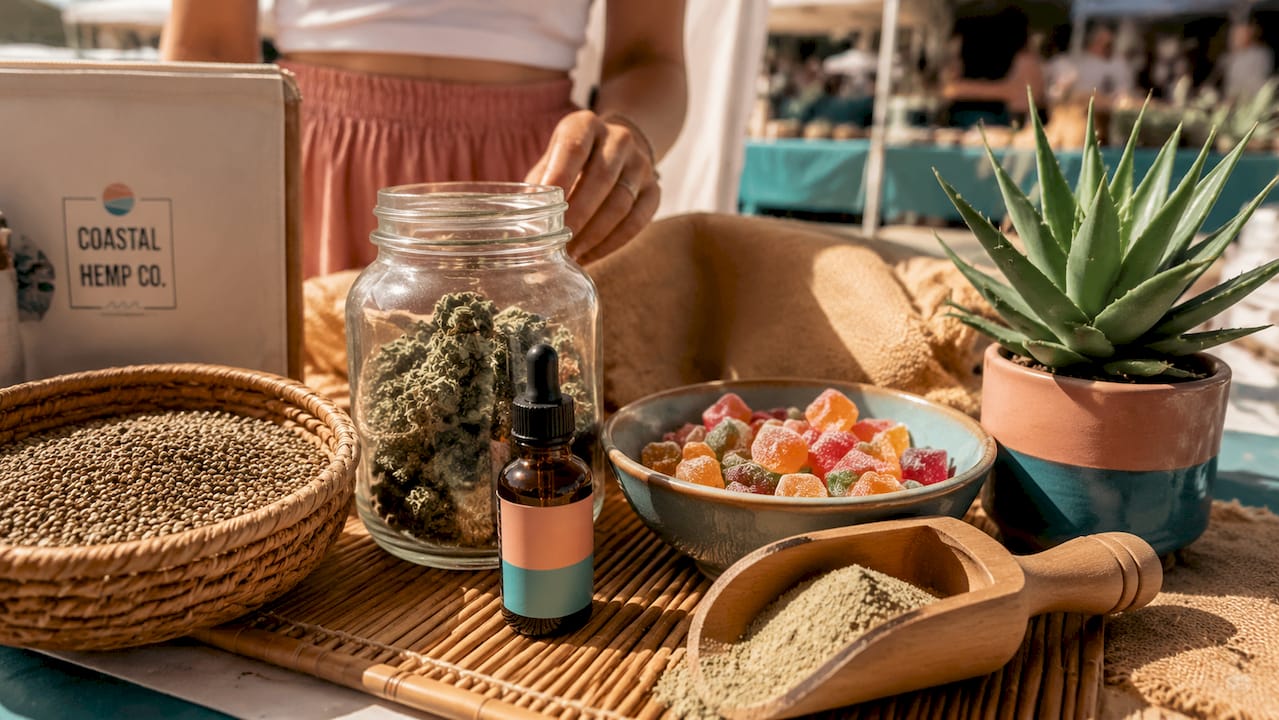
Full-spectrum hemp flower
Full-spectrum hemp flower preserves the plant’s complete terpene and cannabinoid profile. This form delivers the entourage effect most directly because nothing is removed during processing. Consumers use it for stress relief, sleep, and general relaxation. The terpene content varies significantly by cultivar, which is why two strains marketed for “relaxation” can feel quite different.
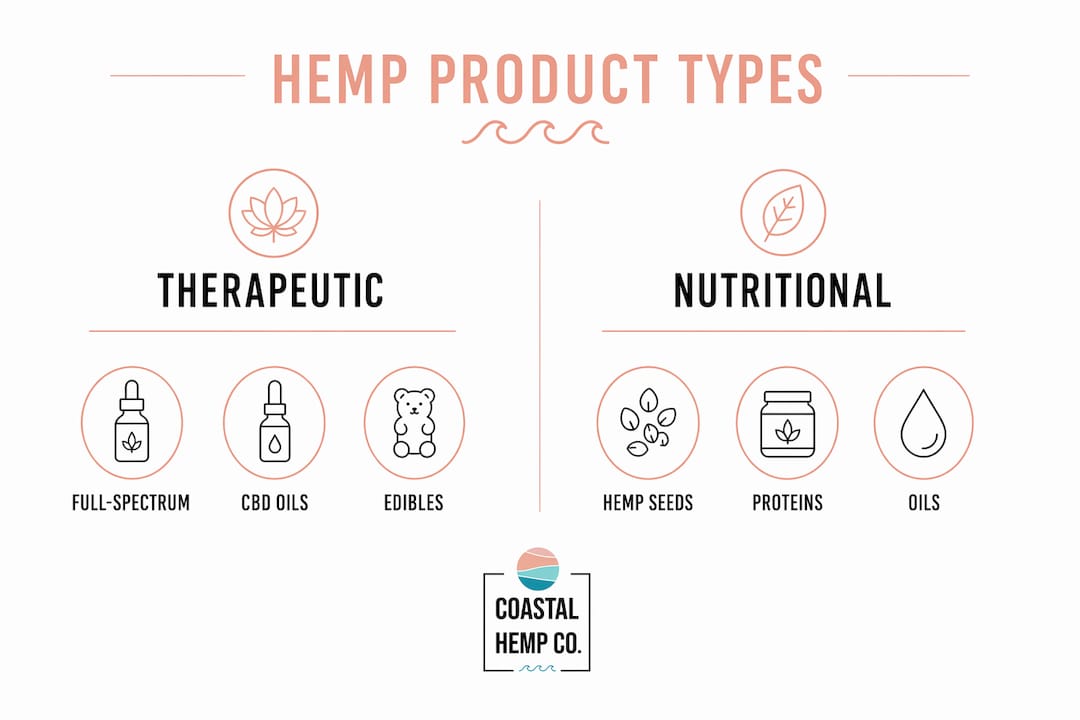
CBD oils and tinctures
CBD oils are extracted concentrates suspended in a carrier oil, typically MCT or hemp seed oil. They offer precise dosing and faster absorption compared to edibles. Full-spectrum oils retain terpenes and minor cannabinoids. Broad-spectrum oils remove THC. Isolate oils contain only CBD. Each formulation serves a different consumer need, from those avoiding THC entirely to those seeking the full phytochemical range.
Edibles, gummies, and concentrates
Extracts, edibles, and concentrates differ in cannabinoid and terpene content depending on extraction and formulation methods. Live resin gummies, for example, preserve terpenes through a cold-extraction process, delivering a richer profile than standard distillate gummies. Concentrates like wax and sugar provide high potency in small doses, suited for experienced consumers with specific therapeutic targets.
Hemp seed products
Hemp seeds are nutritionally distinct from hemp flower and extracts. They contain no significant cannabinoids but deliver omega-3 and omega-6 fatty acids, complete protein, and dietary fiber. Hulled seeds have a milder flavor and lower fiber content. Germinated seeds show measurably improved nutritional profiles, which is covered in detail in the processing section below.
| Product Type | Key Compounds | Primary Wellness Use | Potency Level |
|---|---|---|---|
| Full-spectrum flower | Cannabinoids + terpenes | Relaxation, stress, sleep | Moderate to high |
| CBD oil (full-spectrum) | CBD, minor cannabinoids, terpenes | Daily wellness, anxiety, inflammation | Adjustable |
| Live resin gummies | THCA, terpenes (preserved) | Targeted effects, recreation, relief | High |
| Hemp seed (germinated) | Protein, omega fatty acids, antioxidants | Nutrition, recovery, gut health | Non-psychoactive |
| Concentrates | High cannabinoid content | Acute relief, experienced users | Very high |
Key distinctions to keep in mind when selecting hemp products:
- Full-spectrum products deliver the entourage effect; isolates do not.
- Edibles have delayed onset (30–90 minutes) compared to sublingual oils (15–30 minutes).
- Hemp seed products serve nutritional goals, not cannabinoid-based therapeutic ones.
- Terpene preservation varies widely by extraction method and product type.
Does terpene variety matter more than potency?
Terpene variety matters more than cannabinoid potency for most wellness consumers. This is a direct challenge to how hemp products are often marketed, where THC or CBD percentage dominates the label. Premium hemp flower typically carries a total terpene profile of 2% or greater. That threshold is a reliable quality signal.
The data makes this concrete. A 25% THCA flower with a strong terpene profile outperforms a 32% flower with poor terpene content in both effects and overall experience. Higher cannabinoid numbers without terpene support produce a flatter, less nuanced result. Midlife adults and experienced consumers increasingly recognize this, prioritizing terpene variety over raw potency when selecting hemp flower.
Here is how the most common terpenes shape the experience:
- Myrcene: Earthy, musky aroma. Produces sedating, body-relaxing effects. Common in indica-leaning cultivars.
- Limonene: Citrus aroma. Associated with mood elevation and stress reduction. Often found in sativa-leaning cultivars.
- Caryophyllene: Spicy, peppery. Binds directly to CB2 receptors and may support anti-inflammatory effects.
- Linalool: Floral, lavender-like. Linked to calming and anxiolytic effects.
- Pinene: Pine aroma. Associated with mental alertness and airway support.
Terpenes and cannabinoids work together through the entourage effect. Neither operates in isolation. Chasing the highest cannabinoid percentage while ignoring terpenes is like buying wine based on alcohol content alone. You can learn more about building a terpene-aware approach at Coastalhemp’s terpene guide.
Pro Tip: When shopping for hemp flower or live resin products, look for the terpene breakdown on the COA, not just the total terpene percentage. The specific terpene composition tells you far more about the likely effect than any single number.
How processing methods shape hemp product quality
Processing is the variable most consumers overlook. The same hemp plant yields products with dramatically different nutritional and functional profiles depending on how it is handled after harvest.
Hemp seeds illustrate this clearly. Whole seeds retain their outer hull, which contains fiber and some anti-nutrients that reduce mineral absorption. Hulled seeds (also called hemp hearts) remove the hull, improving digestibility and flavor. Germinated hemp seeds go further, showing significantly enhanced protein content, crude fiber, and antioxidant activity compared to both whole and hulled seeds. Germination activates enzymes that break down anti-nutrients and increase bioavailability of key nutrients.
For consumers using hemp seeds in functional foods or supplements, germinated seeds represent a measurably superior nutritional input. This matters for recovery, gut health, and antioxidant support goals.
Extraction methods for cannabinoid products follow the same logic. CO2 extraction preserves terpenes and produces a cleaner final product. Ethanol extraction is efficient but can strip delicate terpene compounds. Live resin and live rosin processes use fresh-frozen plant material to capture the full terpene profile before it degrades. Each method produces a different end product, even from the same starting cultivar.
| Processing Method | Hemp Form | Key Effect on Profile |
|---|---|---|
| Whole seed | Hemp seed | High fiber, some anti-nutrients present |
| Hulled (hemp hearts) | Hemp seed | Improved digestibility, lower fiber |
| Germinated | Hemp seed | Enhanced protein, antioxidants, and fiber |
| CO2 extraction | Cannabinoid oil | Clean, terpene-preserved concentrate |
| Live resin/rosin | Flower extract | Maximum terpene retention |
| Distillate | Edibles, oils | High potency, reduced terpene content |
Hemp cultivation itself supports sustainability goals. Hemp growth cycles last 100–130 days, with CO2 sequestration of 8–15 tons per hectare per season. Choosing hemp products from growers who prioritize sustainable cultivation adds an environmental benefit on top of the personal wellness one.
Key takeaways
Hemp product variety delivers distinct phytochemical profiles, and matching the right product type to your wellness goal produces better outcomes than defaulting to the highest potency option available.
| Point | Details |
|---|---|
| Genetic diversity drives product variation | Cultivar-level differences in cannabinoids and terpenes create meaningfully different effects across product types. |
| Terpenes outrank potency for quality | A 2%+ terpene profile is a stronger quality signal than high cannabinoid percentage alone. |
| Processing changes nutritional outcomes | Germinated hemp seeds deliver superior protein, fiber, and antioxidant content compared to whole or hulled seeds. |
| COAs are non-negotiable | Verifying the batch-specific Certificate of Analysis is the only reliable way to know what you are actually buying. |
| Product form determines bioavailability | Sublingual oils absorb faster than edibles; live resin preserves more terpenes than distillate-based products. |
What i’ve learned about choosing hemp products the right way
Most people start their hemp journey by looking at the number on the label. I did too. A higher CBD percentage or a bigger THCA number feels like a clear signal of quality. It is not.
After years of working with hemp products and talking to growers, formulators, and consumers, the pattern is consistent. The people who get the most out of hemp are the ones who learn to read a COA like a menu, not a certificate. They look at the terpene breakdown first. They note the harvest date. They understand that cultivar-specific data matters more than brand reputation when it comes to consistent effects.
The hemp industry does not yet have the standardization infrastructure that pharmaceutical markets do. That puts the responsibility on you as a consumer. It sounds like extra work, but it is actually freeing. Once you understand that a myrcene-dominant cultivar will help you unwind and a limonene-forward one will sharpen your focus, you stop guessing and start choosing with purpose.
The benefits of hemp variety only show up when you use that variety intentionally. Buying the same product on autopilot because it worked once is the single biggest mistake I see wellness consumers make. Hemp’s phytochemical range is genuinely broad. Use it.
— John
Explore coastalhemp’s full range of wellness products
Coastalhemp sources products specifically for consumers who want more than a generic hemp experience. The catalog spans THCA flower and concentrates, terpene-rich live resin gummies, THCv formulations, and functional mushroom edibles, each selected for distinct wellness applications.

Every product in the Coastalhemp lineup comes with lab-verified COAs so you can confirm the terpene profile and cannabinoid content before you buy. For a terpene-forward edible experience, the JELLY THCA Live Sugar Gummies deliver live resin extraction with a preserved terpene profile at 1,000mg per pack. If you are looking for a different cannabinoid experience, the Celestial Wellness THCv Gummies offer a 200mg THCv formulation designed for energy and appetite support. Variety is the point.
FAQ
What makes hemp product variety important for wellness?
Different hemp products deliver distinct cannabinoid and terpene profiles that target different physiological effects. A single product type cannot address the full range of wellness goals like sleep, focus, stress relief, and inflammation simultaneously.
How do terpenes affect hemp product effectiveness?
Terpenes modulate the effects of cannabinoids through the entourage effect, shaping whether a product feels sedating, energizing, or mood-lifting. A 25% THCA flower with strong terpene content outperforms a 32% flower with poor terpene content in real-world effects.
What is a certificate of analysis and why does it matter?
A COA is a third-party lab report that lists the exact cannabinoid and terpene percentages for a specific product batch. Checking the COA is more reliable than trusting brand reputation alone, since batch-to-batch variance can be significant even within the same cultivar.
Are germinated hemp seeds better than regular hemp seeds?
Yes. Germinated hemp seeds show significantly enhanced protein content, crude fiber, and antioxidant activity compared to whole or hulled seeds, making them a stronger choice for functional food and supplement applications.
What is the difference between full-spectrum and isolate hemp products?
Full-spectrum products retain the complete range of cannabinoids and terpenes from the plant, enabling the entourage effect. Isolate products contain only a single cannabinoid, typically CBD, with no terpenes or minor cannabinoids present.



Comments