
Hemp Wellness Trend Examples 2026: What's Actually New
Hemp wellness trends in 2026 are defined by science, not hype. The global consumer CBD health market is projected to reach $16.62 billion this year, growing at 15.5% from 2025. That number signals a market that has moved well past novelty. The most significant hemp wellness trend examples 2026 has produced are rooted in minor cannabinoids, advanced extraction methods, and product formats built for specific wellness goals. Consumers are no longer satisfied with generic CBD oil. They want validated ingredients, transparent sourcing, and products that do something measurable.
1. What are the most impactful hemp wellness trend examples 2026 has introduced?
The clearest shift in 2026 hemp market trends is the rise of minor cannabinoids. CBG (cannabigerol) and THCV (tetrahydrocannabivarin) are now leading product development in ways that CBD alone never could. These compounds offer targeted wellness benefits without the intoxicating effects associated with delta-9 THC. That distinction matters enormously for consumers who want clear-headed stress relief and recovery support.
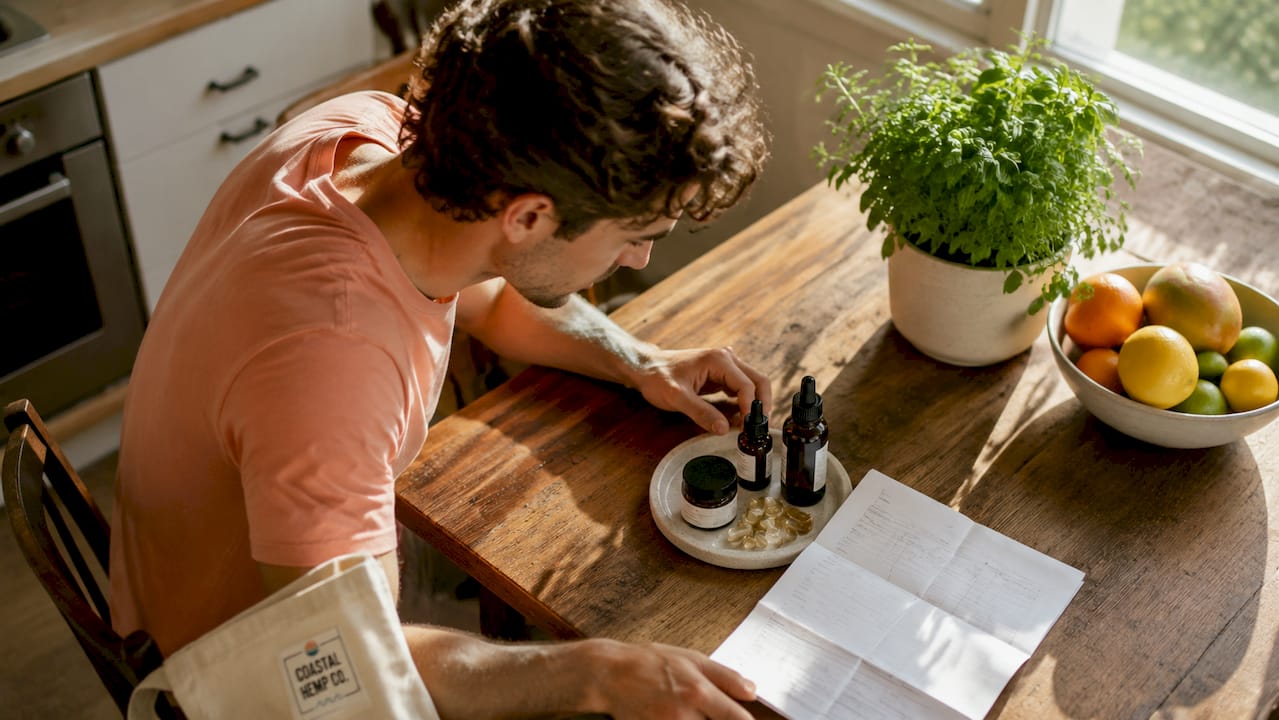
CBG and THCV differ from CBD in both mechanism and application. CBG acts on different receptor pathways and shows strong potential for focus and anti-inflammatory support. THCV is gaining attention for metabolic support and appetite regulation. Neither compound produces intoxication, which gives them a stable regulatory profile and broad consumer appeal.
Here is how these cannabinoids are showing up in hemp wellness products 2026:
- CBG topicals: Creams and balms targeting localized inflammation and muscle recovery. CBG topicals are among the fastest-growing product categories this year.
- THCV gummies: Precise-dose edibles aimed at energy, appetite management, and metabolic support.
- CBG tinctures: Sublingual formats for fast absorption and consistent daily use.
- Blended formulas: Products combining CBG or THCV with CBD for synergistic effects across stress and recovery goals.
Pro Tip: When choosing a minor cannabinoid product, look for a certificate of analysis (COA) that specifically tests for CBG or THCV content. Many products list these compounds but deliver negligible amounts.
The regulatory advantage of functional cannabinoids is real. Because CBG and THCV are non-intoxicating by nature, they face fewer restrictions than delta-9 THC products. That gives brands more room to develop and market them across wellness channels.
2. How advanced cultivation and extraction are raising the quality bar
The future of hemp wellness runs through the farm and the lab, not just the retail shelf. Scientific innovation in cultivation and extraction is the defining factor separating premium hemp wellness products from commodity offerings in 2026.
Aeroponic growing systems deliver hemp plants nutrients directly to their roots in a mist environment, with no soil required. This method produces more consistent cannabinoid profiles and reduces contamination risk. Controlled indoor environments also allow growers to standardize light cycles, humidity, and temperature, which directly affects the potency and consistency of the final extract.
On the extraction side, Full Cryosonic Extract is one of the most significant advances in recent years. This method uses cold temperatures and sonic energy to pull active compounds from hemp without heat or solvents. The result is a product that preserves enzymatic activity and fatty acid profiles that older extraction methods destroy. Better fatty acid preservation means better bioavailability for the consumer.
Pro Tip: Look for products that specify cold-pressed or cryogenic extraction on the label. Extraction below 45°C is the threshold that protects the most sensitive bioactive compounds in hemp.
| Extraction Method | Temperature | Key Benefit | Limitation |
|---|---|---|---|
| Cold-pressed (below 45°C) | Below 45°C | Preserves fatty acids and enzymes | Lower yield per batch |
| Full Cryosonic Extract | Cryogenic | Retains full compound profile | Higher production cost |
| CO2 extraction | Variable | Solvent-free, scalable | Can degrade heat-sensitive compounds |
| Solvent-based extraction | High | High yield | Destroys enzymatic activity |
Cold-pressed extraction below 45°C is now the preferred standard for premium hemp wellness products. Products made with this method show better shelf stability and more consistent potency across batches. For wellness consumers, that consistency is the difference between a product that works reliably and one that does not.
3. Which hemp wellness product categories are growing fastest in 2026?
The 2026 hemp market trends show clear diversification beyond traditional CBD oil and basic edibles. Wellness consumers are gravitating toward formats that fit specific health goals and daily routines. Understanding why hemp product variety matters helps you make smarter choices across these categories.
Hemp protein in sports nutrition is one of the most significant growth stories. The global hemp protein market is valued at $198.4 million in 2026, growing at 14.7% annually. It is projected to reach $681.73 million by 2035. Athletes and active consumers favor hemp protein for its complete amino acid profile and digestibility compared to many plant-based alternatives.
Cold-pressed hemp seed oil has become a staple in functional foods and nutraceuticals. The global hemp seed extract market is valued at $1.8 billion in 2026, with an 11.4% compound annual growth rate. Consumers use it for omega-3 fortification and anti-inflammatory support, often adding it to smoothies, salad dressings, or taking it as a daily supplement. Like spagyric herbal extracts, cold-pressed hemp oil retains the full spectrum of bioactive compounds that heat-based processing destroys.
Here is a breakdown of the fastest-growing hemp wellness product formats:
- Capsules and softgels: Preferred for precise dosing and convenience. No taste, easy to integrate into supplement routines.
- Tinctures: Fast absorption and flexible dosing. Sublingual delivery remains one of the most bioavailable formats.
- Hemp protein powders: Growing rapidly in sports nutrition and plant-based diet markets.
- Functional gummies: Targeted formulas combining cannabinoids with adaptogens, vitamins, or nootropics.
- Topicals: CBG and CBD creams for localized relief, particularly in athletic recovery and skin wellness.
The shift away from generic edibles toward specialized applications reflects a consumer base that understands what it wants. Wellness seekers are reading labels, comparing cannabinoid profiles, and choosing formats based on their specific health goals rather than convenience alone.
4. What role does consumer sophistication play in 2026 hemp wellness trends?
Consumer expectations in 2026 have fundamentally changed how hemp brands operate. Transparency is no longer a differentiator. It is the baseline requirement. Brands that cannot show ingredient sourcing and scientific validation are losing ground to those that can.
Clearer federal THC thresholds and improved labeling guidance have given consumers more confidence in what they are buying. That regulatory clarity also pushes brands to invest in quality control, because mislabeled products now carry real legal and reputational consequences. The result is a market where traceability and direct-to-consumer models are becoming standard practice rather than premium features.
Key factors driving consumer sophistication in 2026:
- Clean-label certifications: Organic verification, non-GMO status, and third-party testing are now expected by informed buyers.
- Digital traceability: QR codes linking to batch-specific COAs allow consumers to verify potency and purity before purchase.
- Ingredient transparency: Consumers want to know the source of every ingredient, not just the cannabinoid content.
- Science-backed claims: Brands that cite peer-reviewed research or clinical data earn more trust than those relying on anecdotal testimonials.
This sophistication is also driving the industry shift from small-batch artisanal production to scaled, standardized manufacturing. Industrial-capable hemp production with improved seed genetics and standardized processing is now the foundation for brands that want to compete at a national level. The artisanal era of hemp wellness is giving way to a more rigorous, science-driven model. Consumers who understand hemp-derived cannabinoids versus traditional cannabis products are better positioned to evaluate these claims accurately.
Key Takeaways
The most reliable hemp wellness products in 2026 combine minor cannabinoids like CBG and THCV with cold-pressed extraction, clean-label certification, and transparent ingredient sourcing.
| Point | Details |
|---|---|
| Minor cannabinoids lead growth | CBG and THCV deliver targeted wellness benefits without intoxication, making them the top functional trend. |
| Extraction method determines quality | Cold-pressed and cryogenic methods below 45°C preserve bioactive compounds better than solvent-based alternatives. |
| Hemp protein is a major market | The hemp protein market reaches $198.4 million in 2026, driven by sports nutrition and plant-based demand. |
| Transparency is now the baseline | Consumers expect digital traceability, COAs, and clean-label certifications as standard, not premium features. |
| Product diversity reflects maturity | Capsules, tinctures, topicals, and functional gummies now serve specific wellness goals rather than general use. |
What I’ve learned watching hemp wellness grow up
The hemp wellness space has changed more in the past two years than in the previous decade. What strikes me most is how quickly the conversation shifted from “does CBD work?” to “which cannabinoid, at what dose, in what format, for which specific outcome?” That is a sign of a genuinely maturing market.
The consumers I see making the best decisions are the ones who treat hemp products the same way they treat any other supplement. They read the COA. They check the extraction method. They look for brands that can explain their sourcing without vague marketing language. That level of scrutiny is exactly what this industry needed to move past the early wave of low-quality products that gave CBD a mixed reputation.
My honest prediction: THCV is the cannabinoid that will surprise the most people over the next 18 months. The metabolic and energy support applications are real, and the regulatory profile is clean. Wellness seekers who want to stay ahead of the curve should start paying attention to it now. The science behind stress relief and recovery is also pointing toward combination formulas, where cannabinoids work alongside adaptogens and nootropics for compounding effects. That is where the most interesting product development is happening. Understanding the science of stress and recovery gives you a better framework for evaluating these combination products.
— John
Coastalhemp’s picks for 2026 hemp wellness products
Coastalhemp curates products that reflect exactly where the hemp wellness market is heading. The focus is on quality, transparent sourcing, and formats that deliver real results for specific wellness goals.

For consumers interested in the THCV trend, Coastalhemp carries THCV gummies at 200mg, a precise-dose format built for energy and metabolic support. For those drawn to the cannabinoid innovation side of 2026 hemp wellness, the Jelly THCA Live Sugar Blend Gummies represent the kind of full-spectrum, science-backed product that defines this new era. Coastalhemp also carries functional mushroom formats that complement hemp wellness routines, including Float Mushroom Gummies for consumers building a broader wellness stack.
FAQ
What are hemp wellness trends in 2026?
Hemp wellness trends in 2026 center on minor cannabinoids like CBG and THCV, advanced cold-pressed extraction methods, and specialized product formats including hemp protein, functional gummies, and targeted topicals. The market is projected to reach $16.62 billion globally this year.
What is the difference between CBG and CBD?
CBG (cannabigerol) acts on different receptor pathways than CBD and is associated with focus, anti-inflammatory support, and localized relief. Both are non-intoxicating, but CBG topicals are among the fastest-growing product categories in 2026.
Why does extraction method matter for hemp wellness products?
Cold-pressed extraction below 45°C preserves the fatty acid profiles and enzymatic activity that heat-based or solvent-based methods destroy. Products made with cold or cryogenic methods deliver better bioavailability and more consistent potency.
Is hemp protein worth using for sports nutrition?
The global hemp protein market is valued at $198.4 million in 2026 and growing at 14.7% annually. Hemp protein offers a complete amino acid profile and strong digestibility, making it a credible option for athletes and active consumers.
How do I know if a hemp product is high quality in 2026?
Look for a batch-specific certificate of analysis (COA) from a third-party lab, cold-pressed or cryogenic extraction on the label, and clean-label certifications such as organic or non-GMO verification. Brands with digital traceability via QR codes are the most transparent options available.


Comments