

Hemp Digestive Health Product Types: 2026 Guide
Hemp digestive health product types are defined as hemp-derived supplements and foods that support gastrointestinal function through fiber, bioactive peptides, and cannabinoids. The plant delivers two distinct pathways to gut support: mechanical fiber action from hemp seeds and biochemical modulation from CBD-rich extracts. Hemp seed fiber constitutes 85–90% of total seed weight, making it one of the most fiber-dense plant foods available. Understanding which product type matches your digestive goal is the difference between real results and wasted money.
1. What are the main hemp digestive health product types?
Hemp for gut health falls into several distinct categories. Each one delivers different compounds, so choosing the right form matters more than most people realize.
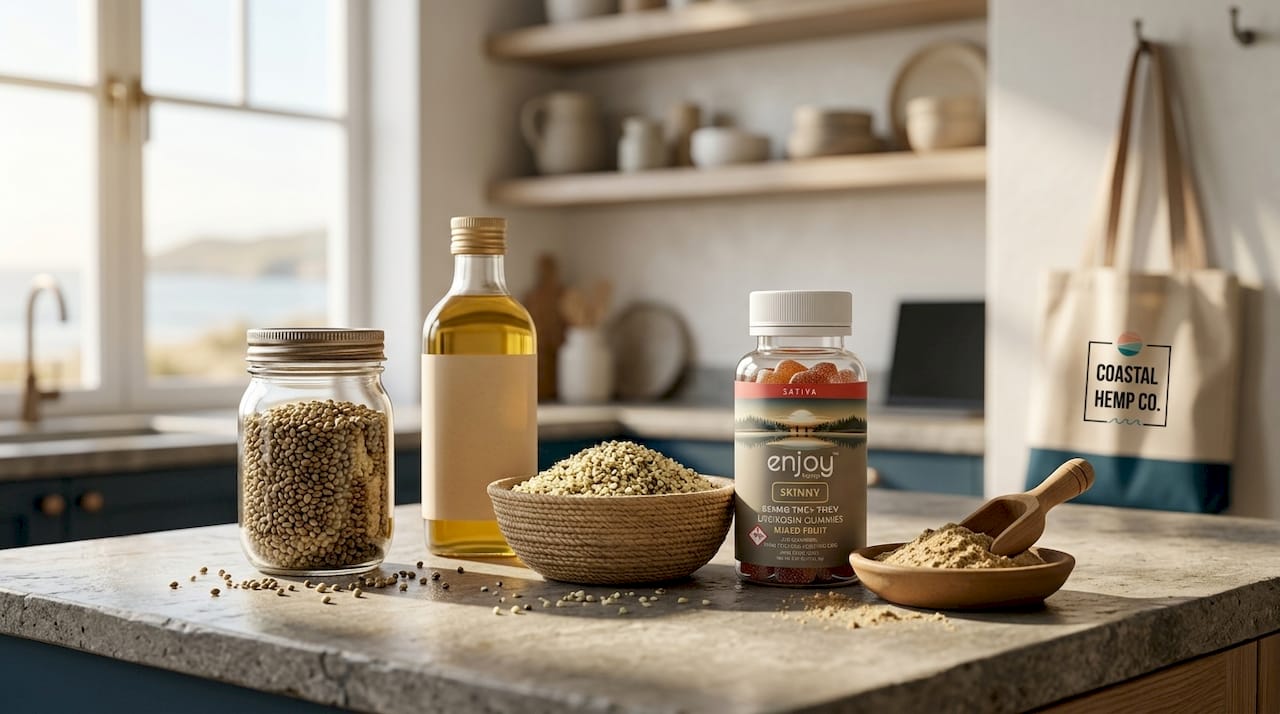
Whole hemp seeds
Whole hemp seeds keep the hull intact, which means maximum fiber and prebiotic content. The hull contains insoluble fiber that adds bulk to stool and speeds transit time. Whole seeds also carry bioactive peptides like Cannabisin A and F, which inhibit alpha-glucosidase and help moderate postprandial glucose levels. That makes them useful for people managing both digestion and blood sugar.
Pros: High fiber, prebiotic effect, bioactive peptides Cons: Tougher to chew, require grinding for full benefit, contain antinutrients like phytic acid
Hulled hemp seeds (hemp hearts)
Hemp hearts are whole seeds with the hull removed. They digest more easily and deliver a cleaner protein profile. The tradeoff is lower fiber content compared to whole seeds. People with sensitive digestion often start here before moving to whole seeds.
Pros: Easy to digest, high protein, mild flavor Cons: Less fiber, fewer prebiotic compounds
Cold-pressed hemp seed oil
Hemp seed oil is a nutritional fatty acid source. It contains omega-3 and omega-6 fatty acids in a favorable ratio, but negligible cannabinoids. This is a critical distinction. Hemp seed oil does not deliver CBD or other cannabinoids, so it does not modulate gut inflammation the way CBD oil does. It supports digestion indirectly by reducing systemic inflammation through its fatty acid profile.
Pros: Rich in essential fatty acids, easy to add to food Cons: No cannabinoids, minimal fiber, degrades quickly when heated
Hemp protein powder
Hemp protein powder concentrates the plant’s amino acid content into a scoopable form. It contains moderate fiber and is easier to integrate into a daily routine than whole seeds. People using it as a digestive aid benefit from both the protein and the residual fiber that survives processing.
Pros: Convenient, high protein, moderate fiber Cons: Processing reduces some bioactive compounds
CBD-rich hemp extracts and capsules
CBD oil and capsules deliver cannabinoids directly. These products work through a different mechanism than fiber-based hemp foods. 2026 research shows CBD modulates NF-κB and NLRP3 inflammatory pathways in intestinal models. That means CBD-rich extracts target gut inflammation at the cellular level, not just mechanically. Capsules offer precise dosing, which matters when you are working with a healthcare provider.
Pros: Targets gut inflammation, precise dosing, no fiber-related side effects Cons: More expensive, drug interaction potential, clinical evidence still developing
Sprouted hemp and hemp milk
Sprouted hemp seeds and hemp milk represent newer product forms. Germination increases antioxidant activity and improves nutrient bioavailability. Hemp milk delivers a liquid form of hemp’s fatty acids and some protein, though fiber content is low. These products suit people who want hemp’s benefits without the texture of seeds.
Pros: Improved bioavailability, versatile formats Cons: Less fiber, less research on digestive-specific outcomes
Pro Tip: Start with hemp hearts if you are new to hemp digestive supplements. They deliver protein and moderate fiber without the antinutrient load of whole seeds.
2. How does hemp fiber support digestive health?
Hemp seed fiber is one of the most studied components in hemp digestive health explained research. The fiber splits into two functional fractions with different roles in the gut.
The insoluble fraction, which makes up the majority of hemp’s fiber content, promotes peristalsis. It adds physical bulk to stool and speeds transit through the colon. The soluble fraction ferments in the large intestine, producing short-chain fatty acids like butyrate. Butyrate feeds colonocytes, the cells lining the colon, and supports the intestinal barrier.
| Fiber type | Source | Primary digestive effect |
|---|---|---|
| Hemp insoluble fiber | Seed hull | Promotes peristalsis, adds stool bulk |
| Hemp soluble fiber | Seed interior | Ferments to produce short-chain fatty acids |
| Psyllium husk | Plantago ovata | Gel-forming, slows transit, lowers cholesterol |
| Oat beta-glucan | Oat bran | Ferments, feeds beneficial bacteria, lowers glucose |
Hemp’s fiber profile differs from psyllium and oat fiber in one key way. Hemp delivers both fractions together in a single whole food, while psyllium is almost entirely soluble and oat fiber skews toward beta-glucan. That makes whole hemp seeds a more balanced fiber source for people who need support across multiple digestive functions.
Pro Tip: Add one teaspoon of ground whole hemp seeds to your meals and increase by one teaspoon per week. Rapid fiber increases cause bloating. Gradual introduction lets your gut microbiome adapt.
3. What are the digestive roles of cannabinoids from hemp?
CBD from hemp acts on the gut through pathways that fiber cannot reach. Research from 2026 demonstrates that CBD activates the Nrf2-Keap1 antioxidant pathway and suppresses NF-κB and NLRP3 signaling in colitis models. These are the same inflammatory pathways implicated in conditions like Crohn’s disease and ulcerative colitis.
CBD also helps preserve epithelial integrity. The intestinal epithelium is the single-cell layer separating your gut contents from your bloodstream. When that barrier weakens, inflammation spreads. CBD’s antioxidant action reduces oxidative stress that damages those cells.
Impairments in endocannabinoid system genes in inflammatory bowel disease patients point to a biological rationale for cannabinoid-based gut therapies, though foundational research is still ongoing and clinical confirmation is needed before these become standard recommendations.
The distinction between hemp seed oil and CBD oil matters here. Hemp seed oil contains negligible cannabinoids and does not interact with the endocannabinoid system in the gut. CBD oil delivers the cannabinoids that do. Buying hemp seed oil expecting CBD’s anti-inflammatory effects is a common and costly mistake.
Key considerations for cannabinoid-based hemp digestive aids:
- CBD interacts with cytochrome P450 enzymes, which metabolize many common medications
- People on blood thinners, antiepileptics, or immunosuppressants should consult a doctor before using CBD products
- Start with low doses and track digestive symptoms over two to four weeks
- Choose products with third-party lab testing to confirm cannabinoid content
- Learn more about safe hemp supplement use before starting a CBD regimen
4. What processing methods improve hemp’s digestive benefits?
How hemp is processed changes what your gut actually receives. Hulling and germination both improve protein digestibility and antioxidant activity compared to raw whole seeds. Germination also increases omega-3 fatty acid content, which supports the anti-inflammatory environment in the gut.
Phytic acid and condensed tannins in the hull bind minerals and reduce enzyme activity. Processing methods like hulling, roasting, and enzymatic treatment reduce these antinutrients significantly. That means hulled or germinated hemp delivers more usable nutrition per gram than raw whole seeds.
One of the most promising innovations in hemp digestive health is the double emulsion gel delivery system. In vitro research using the SHIME model shows that co-delivering CBD and probiotics in a gel matrix increases butyrate and lactate production and shifts gut microbiota toward beneficial strains. Human clinical trials have not yet confirmed these results, but the mechanism is biologically plausible.
| Processing method | Effect on antinutrients | Effect on bioavailability |
|---|---|---|
| Hulling | Removes phytic acid, tannins | Increases protein digestibility |
| Germination | Reduces phytic acid | Boosts antioxidants, omega-3s |
| Roasting | Reduces tannins | Moderate improvement |
| Enzymatic treatment | Breaks down phytate | High improvement in mineral absorption |
Practical tips for choosing processed hemp products:
- Choose hulled hemp hearts for daily use if digestive sensitivity is a concern
- Select germinated or sprouted hemp when you want maximum antioxidant and omega-3 content
- Look for hemp product formulation details on the label before buying
- Avoid products with no processing disclosure, since antinutrient content varies widely
5. How to choose and use hemp digestive products safely
Choosing the right hemp digestive aid starts with identifying your primary goal. Fiber and regularity call for whole seeds or hemp hearts. Gut inflammation and barrier support call for CBD-rich extracts. Fatty acid balance calls for hemp seed oil.
Hemp seed oil and CBD oil serve fundamentally different functions. Confusing them leads to wrong purchases and disappointing results. Read labels carefully and look for cannabinoid content listed in milligrams if you want CBD’s effects.
Dosing and timing guidance for hemp digestive supplements:
- Add hemp seeds to breakfast to support morning gut motility
- Take CBD capsules with food to improve absorption and reduce nausea risk
- Store hemp seed oil in the refrigerator and use within 60 days of opening to prevent oxidation
- Review hemp dosage best practices before adjusting your intake
- Consult a healthcare provider if you take prescription medications, especially blood thinners or anticonvulsants
Pro Tip: Buy hemp seed oil in small, dark glass bottles. Light and heat degrade the fatty acids quickly. Rancid oil does not support digestion and may irritate the gut.
Sourcing quality matters as much as product type. Hemp absorbs compounds from soil, so organically grown hemp from reputable suppliers reduces the risk of pesticide or heavy metal contamination. Coastalhemp partners with vetted growers and top brands to address exactly this concern.
Key takeaways
Hemp digestive health products work through two distinct mechanisms: fiber-based gut motility support from seeds and cannabinoid-based inflammation modulation from CBD extracts, and choosing the right type determines your results.
| Point | Details |
|---|---|
| Fiber content varies by form | Whole seeds deliver the most fiber; hulled hearts are easier to digest but contain less. |
| CBD and hemp seed oil are different | Only CBD oil delivers cannabinoids that modulate gut inflammation. |
| Processing improves bioavailability | Hulling and germination reduce antinutrients and increase usable nutrition. |
| CBD has drug interaction potential | Consult a doctor before using CBD products alongside prescription medications. |
| Novel delivery systems show promise | CBD-probiotic gel systems increase beneficial gut bacteria in vitro, but human trials are pending. |
What I’ve learned after years of watching hemp gut health products evolve
The hemp digestive supplement space has matured faster than most people realize. Three years ago, the conversation was almost entirely about CBD oil. Now, whole seed nutrition, germinated hemp, and co-delivery systems are getting serious scientific attention. That shift reflects real progress.
What still frustrates me is the marketing confusion between hemp seed oil and CBD oil. These are not interchangeable products. Selling hemp seed oil to someone who needs CBD’s anti-inflammatory support is not just unhelpful. It erodes trust in the entire category. Every time I see a label that blurs this line, I know someone is going to be disappointed.
The 2026 research on NF-κB and NLRP3 modulation by CBD is genuinely exciting. But I would caution anyone against treating preclinical colitis models as clinical proof. The biology is compelling. The human evidence is still catching up. Use hemp digestive products as part of a broader gut health approach, not as a replacement for medical care.
My honest recommendation: start with hemp hearts for daily fiber, add hemp seed oil for fatty acid balance, and consider a quality CBD extract only if gut inflammation is your specific concern. Build the foundation first. The hemp product variety available today makes that layered approach more accessible than ever.
— John
Coastalhemp’s hemp products for digestive wellness
Coastalhemp carries a curated selection of hemp products built for people who take their wellness seriously. The catalog spans capsules, oils, and gummies, all sourced from vetted growers with a focus on potency and freshness.
For those interested in hemp’s metabolic and digestive benefits, the Enjoy Skinny Gummies THC + THCV combine cannabinoids in a convenient daily format. THCV has drawn attention for its appetite-modulating properties, making these gummies a practical option for people focused on digestive and metabolic wellness. If sleep disruption is affecting your gut health, the Enjoy Sleep Gummies THC + CBN offer a complementary nighttime option. Coastalhemp backs every product with fast shipping and a quality-first sourcing standard.
FAQ
What are the best hemp products for digestion?
Whole hemp seeds and hemp hearts deliver the most direct digestive benefit through fiber and prebiotic compounds. CBD-rich extracts are the better choice when gut inflammation is the primary concern.
How does hemp fiber differ from psyllium for gut health?
Hemp seed fiber provides both insoluble and soluble fractions in one food, while psyllium is almost entirely soluble. Hemp supports both bowel regularity and microbiome feeding simultaneously.
Is hemp seed oil the same as CBD oil for digestion?
Hemp seed oil contains negligible cannabinoids and works through fatty acids, not the endocannabinoid system. CBD oil delivers cannabinoids that modulate gut inflammation directly.
Can hemp digestive supplements interact with medications?
CBD interacts with cytochrome P450 enzymes and can affect how the body processes blood thinners, antiepileptics, and other drugs. Always consult a healthcare provider before adding CBD products to a medication regimen.
Does processing hemp seeds reduce their digestive benefits?
Hulling and germination reduce antinutrients like phytic acid and improve protein digestibility, making processed hemp seeds more bioavailable than raw whole seeds without significantly reducing their core nutritional value.


Comments