
Why Hemp Alternatives Are Less Intense Than THC
Hemp alternatives are defined as cannabinoid products derived from hemp that produce milder psychoactive effects than traditional delta-9 THC. The reason why hemp alternatives are less intense comes down to chemistry: different cannabinoids bind to brain receptors with lower affinity, and balanced cannabinoid profiles actively reduce the strength of any psychoactive response. Products featuring cannabinoids like CBD, CBG, CBN, and delta-8 THC have driven a major market shift. Delta-8 sales grew from $200 million in 2020 to $2.8 billion by 2023, a figure that reflects genuine consumer demand for controlled, functional experiences over intense highs. Understanding what drives that difference helps you choose the right product for your goals.
What chemical differences make hemp alternatives less intense?
Delta-8 THC and delta-9 THC share the same molecular formula but differ in one key structural detail: the position of a carbon-carbon double bond. Delta-8 THC binds to CB1 receptors with lower potency than delta-9, meaning you need a higher dose to approach a comparable effect. That structural gap translates directly into a calmer, less forceful experience for most people.
The THC:CBD ratio matters just as much as the cannabinoid type. CBD acts as a natural buffer, reducing the intensity of THC’s psychoactive effects when both are present. The THC:CBD ratio in commercial cannabis climbed from 14:1 in 1995 to 80:1 by 2022, which means modern high-potency strains stripped out the natural moderating effect that CBD once provided. Hemp alternatives typically restore that balance, which is the core reason their effects feel more manageable.
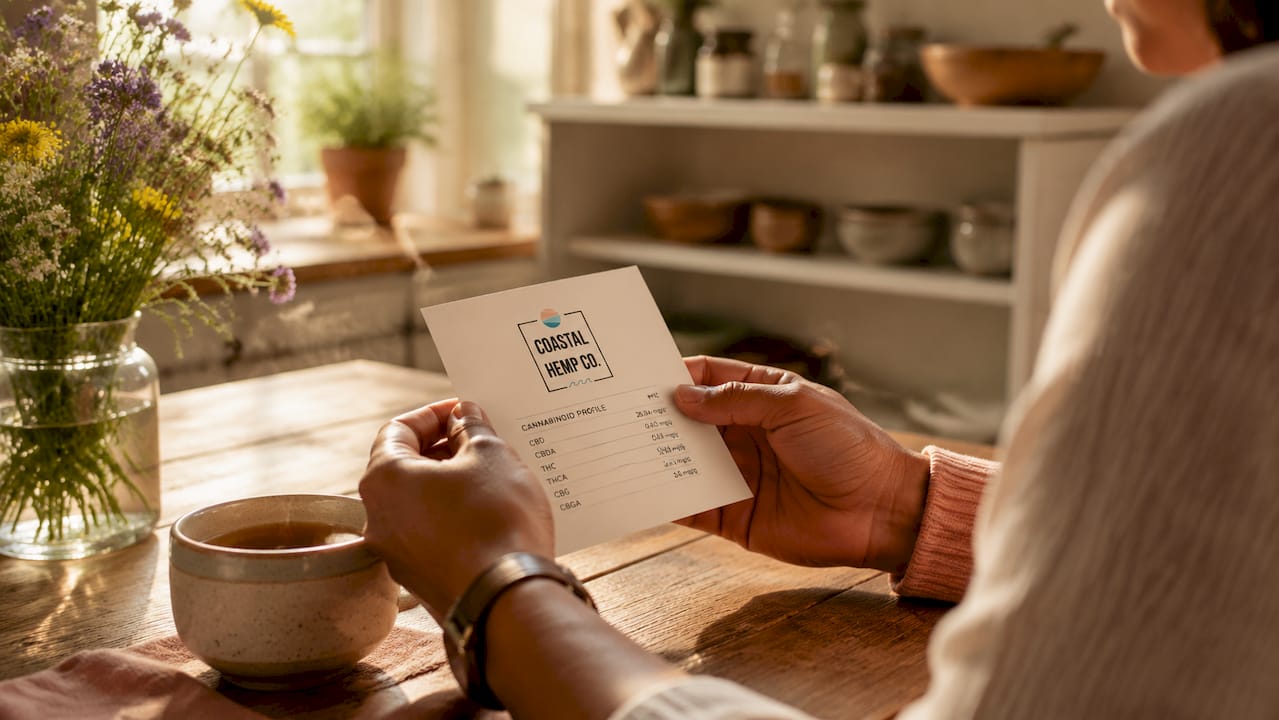
The origin of a cannabinoid also shapes its effect profile. Naturally occurring cannabinoids like CBG are extracted directly from hemp biomass rather than synthesized in a lab, offering more predictable and cleaner effects compared to converted cannabinoids like delta-8 THC produced through chemical processes. CBN, another minor cannabinoid found naturally in aged hemp, is associated with calming and sleep-supporting effects without strong psychoactivity.
Key chemical factors that reduce intensity in hemp alternatives:
- Lower CB1 receptor binding affinity in delta-8 THC compared to delta-9 THC
- CBD presence actively moderates THC-driven psychoactivity
- Natural extraction of CBG and CBN produces more consistent, predictable effects
- Absence of synthetic conversion byproducts in naturally derived cannabinoids
Pro Tip: When reading a product label, look for the full cannabinoid panel, not just the THC content. A product with 10mg delta-8 and 5mg CBD will feel noticeably different from 10mg delta-8 alone.
How does the “new sobriety” trend shape demand for milder hemp products?
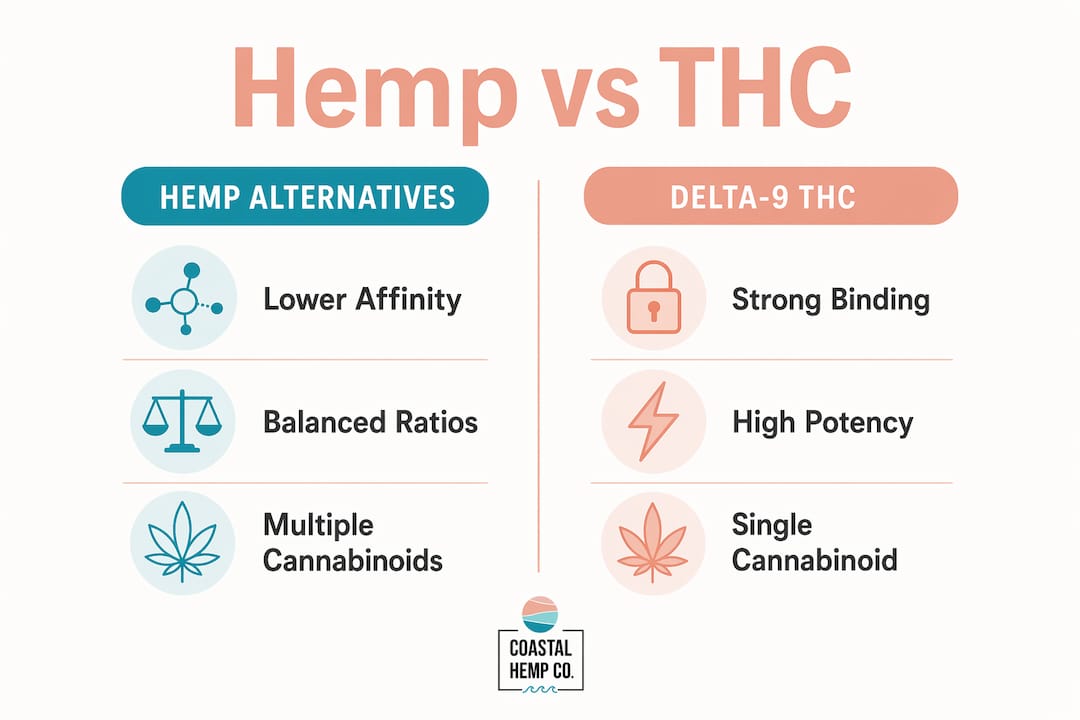
High THC does not equal a better experience. Over-stimulation from potent cannabis drives anxiety, tachycardia, and paranoia, which are the exact side effects pushing consumers toward balanced hemp products. The industry has a name for this shift: the “new sobriety” movement, which prioritizes calm, functional effects over maximum intoxication.
The contrast in experience is described clearly in the research:
“Balanced THC:CBD strains produce a calmer, clearer, more functional experience described as a ‘soft wave’ versus ‘shock wave.’” — OG Lab
This shift did not happen overnight. Four forces drove the industry toward lower-intensity hemp products:
- Potency escalation backlash. Decades of breeding for maximum THC created products that overwhelmed casual users and triggered negative reactions.
- CBD research. Growing awareness of CBD’s moderating role led consumers to seek products that preserved that natural balance.
- Wellness integration. People want products that fit into a productive day, not ones that sideline them for hours.
- Legal access. Hemp-derived cannabinoids like delta-8 and CBG are federally accessible in ways that high-THC cannabis is not, expanding the audience for milder options.
The CBD concentration in commercial strains fell from roughly 0.28% in 1995 to 0.12% by 2022. That decline explains why so many long-term cannabis users now report that modern high-THC products feel harsher and less enjoyable than what they used decades ago.
What practical benefits do consumers experience with hemp alternatives?
The practical advantages of less potent hemp options go beyond simply avoiding a bad experience. Switching to plant-based hemp alternatives produces a subtler, more gradual effect that fits into daily routines without the cognitive disruption that strong delta-9 THC causes. Users report less next-day grogginess and more intentional, controlled sessions.
| Experience Factor | Traditional Delta-9 THC | Hemp Alternatives (CBD, CBG, Delta-8) |
|---|---|---|
| Onset speed | Fast, often abrupt | Gradual, more predictable |
| Psychoactive intensity | High, can be overwhelming | Mild to moderate, manageable |
| Anxiety and paranoia risk | Elevated, especially at high doses | Significantly reduced |
| Functional use during the day | Difficult for most people | Practical for many users |
| Duration of effects | Long, sometimes 4–6 hours | Shorter, easier to time |
| Wellness applications | Limited by intensity | Pain relief, sleep, anxiety support |
The ability to shape your experience is a defining benefit of hemp alternatives. Less intense hemp products enable environmental and experiential shaping, meaning factors like lighting, music, timing, and setting have a real impact on the outcome. With strong delta-9 THC, the compound often overrides those variables entirely.
For wellness-focused consumers, the benefits of hemp alternatives are concrete. CBN supports sleep quality. CBG shows early promise for focus and mild pain relief. Delta-8 provides a relaxed, clear-headed state that many people find easier to use socially or before low-intensity activities. Explore how hemp product variety supports different wellness goals across daily routines.
Pro Tip: If you are new to hemp alternatives, start with a CBD-forward product before moving to delta-8 or CBG. The CBD experience sets a useful baseline for understanding how your body responds to cannabinoids.
How should you approach dosing and product selection?
Consumer expectations often mismatch the qualities of hemp alternatives, and that mismatch causes early disappointment. Changing expectations is the key step for anyone transitioning from delta-9 THC to less intense options. Hemp alternatives are not weaker versions of the same experience. They are a different quality of effect entirely.
Practical guidance for selecting and dosing hemp alternatives:
- Start low, increase slowly. Delta-8 requires higher doses than delta-9 for comparable effects, but that does not mean doubling your usual dose on day one. Begin at half your typical amount and assess after 90 minutes.
- Match the cannabinoid to your goal. CBN works best for sleep. CBG suits daytime focus. Delta-8 fits social or creative settings. Hemp alternative dosage best practices vary by cannabinoid type and consumption method.
- Understand natural versus converted cannabinoids. Most converted cannabinoids lose federal hemp protection while naturally occurring CBG and CBN retain it. This distinction affects both legal availability and product consistency.
- Choose your consumption method deliberately. Edibles produce slower, longer-lasting effects. Vaping or sublingual tinctures act faster and are easier to titrate. Intensity is modulated as much by delivery method as by cannabinoid type.
- Verify lab testing. Third-party certificates of analysis confirm cannabinoid content and screen for residual solvents, especially relevant for converted cannabinoids like delta-8.
How do hemp products fit into broader sustainability and wellness trends?
Hemp’s appeal extends well beyond its cannabinoid profile. Industrial hemp grows quickly and requires fewer pesticides than most conventional crops, making it one of the more sustainable agricultural options available. That cultivation advantage supports the broader wellness lifestyle that many hemp alternative consumers already embrace.
| Hemp Attribute | Practical Benefit |
|---|---|
| Fast growth cycle | Reduces land use and resource demands |
| Low pesticide requirement | Cleaner raw material for extraction |
| Strong natural fibers | Durable textiles that outlast cotton |
| Diverse cannabinoid output | Supports varied wellness product formulations |
The wellness market increasingly favors natural, plant-derived compounds over synthetic alternatives. Consumers prefer naturally occurring cannabinoids for wellness routines because they avoid the variability found in lab-synthesized cannabinoids. That preference aligns with a broader consumer shift toward transparency, traceability, and minimal processing in health products. Hemp’s ability to produce CBG, CBN, CBD, and THCA from the same plant makes it uniquely suited to serve that demand. The hemp and marijuana distinction is also central to understanding why hemp-derived products carry different legal and experiential profiles than their marijuana-derived counterparts.
Key Takeaways
Hemp alternatives are less intense than traditional delta-9 THC because their cannabinoid profiles bind to receptors with lower affinity, include natural moderating compounds like CBD, and deliver a fundamentally different quality of effect rather than simply a weaker version of the same high.
| Point | Details |
|---|---|
| Receptor binding explains intensity | Delta-8 THC binds CB1 receptors with lower potency than delta-9, producing milder effects. |
| CBD ratio is the key moderator | Balanced THC:CBD products restore the natural buffer that high-potency strains removed. |
| Natural cannabinoids are more consistent | CBG and CBN extracted from hemp biomass offer cleaner, more predictable effects than converted cannabinoids. |
| Expectations must shift | Hemp alternatives deliver a different quality of experience, not a diluted version of a THC high. |
| Dosing method shapes intensity | Consumption method and setting influence the experience as much as the cannabinoid itself. |
What I have learned from watching consumers make the switch
The single biggest mistake I see is people treating hemp alternatives as a budget substitute for delta-9 THC. They dose too high, feel underwhelmed, and conclude the product does not work. That framing is wrong from the start.
What hemp alternatives actually offer is control. The “soft wave” effect that balanced cannabinoid products produce is not a consolation prize. For a large portion of people, it is genuinely preferable. I have watched users with anxiety histories completely abandon high-THC products after one positive experience with a well-formulated CBG or delta-8 product. The absence of racing thoughts and paranoia is not a side effect of weakness. It is the point.
The industry’s move toward low-THC, balanced formulations is not a trend driven by regulation alone. It reflects real feedback from real people who got burned by the potency arms race of the past decade. The THC:CBD ratio climbing to 80:1 was never good for most consumers. Restoring balance is not a step backward. It is the correction the market needed.
My practical advice: give a hemp alternative at least three sessions before forming an opinion. The first session recalibrates your expectations. The second shows you what the product actually does. The third tells you whether it fits your life.
— John
Find your balance with Coastalhemp’s hemp alternative lineup
Coastalhemp carries a curated selection of lab-tested hemp alternative products built for consumers who want real effects without the intensity of traditional delta-9 THC. The JELLY THCA Live Sugar Gummies deliver a balanced cannabinoid experience with verified potency in every batch. For a wellness-focused minor cannabinoid option, the Celestial Wellness THCv Gummies offer a clean, functional effect profile that suits daytime use. Every product on the Coastalhemp platform ships fast, comes with third-party testing documentation, and is selected from trusted growers and brands. Browse the full hemp-derived THC edibles collection to find the cannabinoid profile that matches your wellness goals.
FAQ
Why are hemp alternatives less intense than delta-9 THC?
Hemp alternatives contain cannabinoids like delta-8 THC, CBD, CBG, and CBN that bind to brain receptors with lower affinity than delta-9 THC. The presence of CBD in many hemp products also actively reduces psychoactive intensity.
Are hemp alternatives milder for everyone?
Most people experience hemp alternatives as milder than delta-9 THC, but individual response varies based on body chemistry, tolerance, and consumption method. Starting with a low dose and adjusting gradually produces the most consistent results.
What is the difference between delta-8 and delta-9 THC?
Delta-8 and delta-9 THC share the same molecular formula but differ in the position of one carbon-carbon double bond. That structural difference causes delta-8 to bind CB1 receptors with lower potency, producing a calmer, less intense effect.
Do hemp alternatives have wellness benefits beyond being less intense?
Yes. CBN supports sleep, CBG shows promise for focus and mild pain relief, and CBD reduces anxiety and inflammation. These effects make hemp alternatives practical for daily wellness routines where strong psychoactivity would be disruptive.
How do I choose the right hemp alternative product?
Match the cannabinoid to your specific goal: CBN for sleep, CBG for daytime focus, delta-8 for relaxed social use. Always verify third-party lab results and start at a lower dose than you would use with traditional THC products.


Comments