

Reasons to Switch to Hemp Alternatives for Work and Wellness
Switching from THC or marijuana to hemp-derived, less-intense alternatives comes down to three core motivations: milder psychoactive effects, workplace and legal safety, and more predictable day-to-day dosing. Hemp alternatives, including CBD, CBG, CBN, THCV, and non-cannabis options like adaptogens and L-theanine, are chosen when function matters more than intoxication. The 2018 Farm Bill established the federal legal baseline for hemp, and the FDA continues to shape how these products are regulated and labeled.
The top reasons people make this switch:
- Legal and workplace safety — hemp-derived products with less than 0.3% delta-9 THC by dry weight are federally legal under current law, reducing legal exposure in many situations
- Drug-test concerns — lower-THC or isolate products reduce (but do not eliminate) the risk of a positive result
- Milder effects — non-intoxicating cannabinoids like CBD and CBN support sleep, anxiety relief, and pain management without significant impairment
- Tolerance and dependency — stepping down from high-THC use to lower-intensity options can reduce tolerance and reliance
- Clarity for caregiving or work — parents, caregivers, and safety-sensitive workers often need to stay clear-headed while still managing stress or discomfort
NCCIH research summarizes modest clinical evidence supporting CBD for anxiety and sleep, with the strongest findings in controlled settings. The evidence is real, though not yet definitive for every use case.
Table of Contents
- Why do people switch from THC to hemp-based products?
- What hemp-derived cannabinoids are available and what do they do?
- How do you switch from THC to hemp alternatives safely?
- Is hemp legal in the U.S. right now, and will it affect a drug test?
- What should you check before buying a hemp product?
- What does the research actually support for hemp alternatives?
- Why Coastalhemp is a reliable source for hemp education and products
- Key Takeaways
- The case for switching with realistic expectations
- Coastalhemp’s picks for switching to lower-intensity hemp options
- Useful sources and further reading
- FAQ
Why do people switch from THC to hemp-based products?
The practical reasons to switch from high-THC marijuana to hemp alternatives are varied, but most fall into a few clear categories.
Workplace and drug-test pressure is the most common driver. Safety-sensitive industries, federal contractors, and employers with zero-tolerance policies create real consequences for positive drug tests. Even legal marijuana use in a legal state can cost someone a job offer or a professional license.
Legal uncertainty adds another layer. State laws on marijuana remain a patchwork. Hemp-derived products with compliant THC levels offer a lower-risk option for people who travel frequently, live in restrictive states, or simply want to avoid ambiguity.
Functional wellness without impairment is a growing motivation. Many people want relief from sleep disruption, chronic stress, or mild pain without the cognitive fog that high-THC products can cause. Hemp alternatives let them address those symptoms while staying productive.

Tolerance and dependency concerns also push people toward lower-intensity options. Regular high-THC use raises tolerance over time, requiring more product for the same effect. Stepping down to hemp alternatives can reset that baseline.
Social and caregiving contexts matter too. Parents managing bedtime routines, caregivers on call, and anyone who needs to drive or respond to emergencies often find that hemp alternatives fit their lives in ways that marijuana simply does not.
Pro Tip: Before choosing an alternative, write down your primary reason for switching. Sleep issues, anxiety, pain, and drug-test concerns each point toward different cannabinoids and delivery methods. Matching the product to the goal saves time and money.
What hemp-derived cannabinoids are available and what do they do?
Non-intoxicating cannabinoids and low-THC options provide milder effects or targeted support without the psychoactive intensity of marijuana. Understanding why hemp alternatives are less intense than THC starts with their distinct receptor activity, as documented in peer-reviewed pharmacology research.
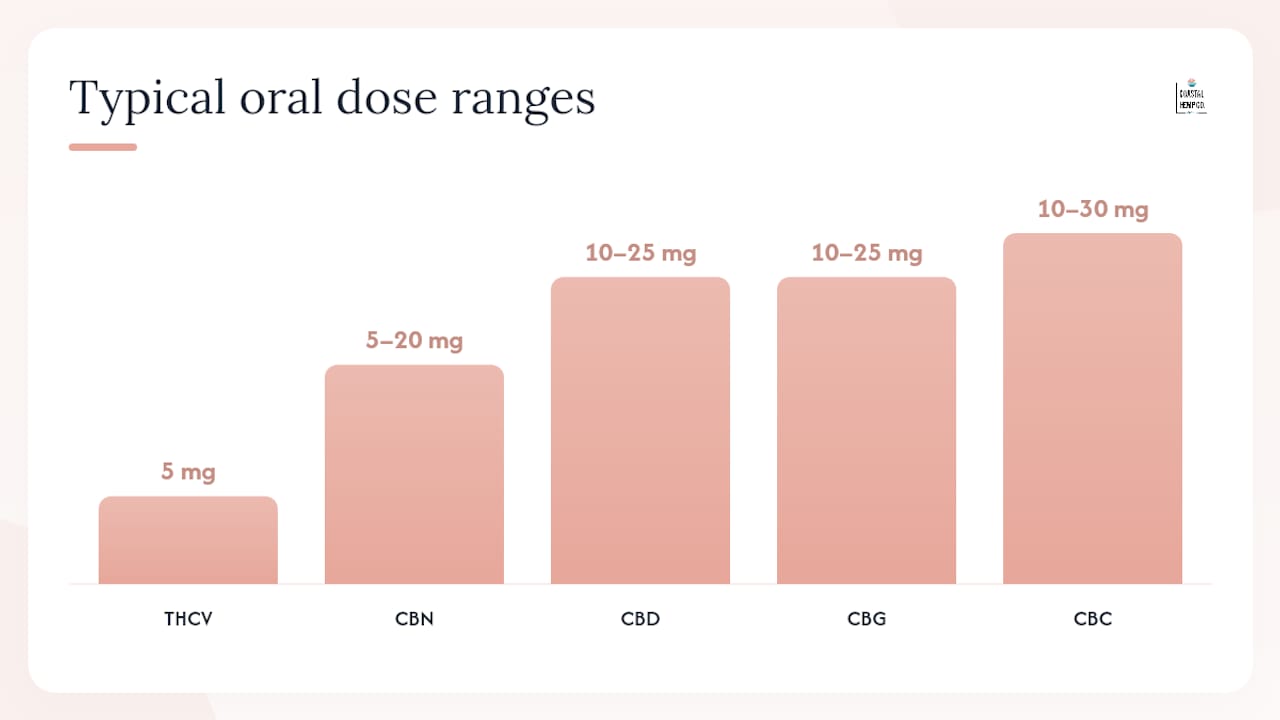
| Cannabinoid | Common use | Onset (oral) | Intensity | Typical mg range |
|---|---|---|---|---|
| CBD | Anxiety, sleep, inflammation | 30 min | Non-intoxicating | 10–25 mg |
| CBG | Focus, gut comfort, mild mood | 30–60 min | Non-intoxicating | 10–25 mg |
| CBN | Sleep onset, mild sedation | 45 min | Very low | 5–20 mg |
| CBC | Mood support, anti-inflammatory | 30–60 min | Non-intoxicating | 10–30 mg |
| THCV | Appetite, energy, mild stimulation | 20 min | Low to mild | 5 mg |
| Low-dose delta-9 | Mild relaxation, pain | 45 min | Low to moderate | low milligram dose |
Delivery method changes the experience significantly. Sublingual tinctures and oral-buccal absorption produce steadier, more predictable effects than edibles, which undergo first-pass liver metabolism and can form stronger metabolites like 11-OH-THC, leading to more intense and unpredictable outcomes, as documented in cannabinoid pharmacokinetics research. Inhaled products act fastest but carry their own respiratory considerations.
A note on intoxicating hemp products: delta-8, delta-10, and high-dose delta-9 edibles sold under the hemp label can produce significant psychoactive effects. Public health surveillance has flagged manufacturing contaminants and pediatric exposures linked to unregulated intoxicating hemp products. Always verify the COA and total THC per container before purchasing any of these.
How do you switch from THC to hemp alternatives safely?
Start low, go slow. Pick one alternative, establish a consistent low dose, and give it two to four weeks before adjusting.
- Set a clear goal. Identify your primary reason for switching: sleep, anxiety, pain, drug-test safety, or tolerance reset. This determines which cannabinoid or supplement to start with.
- Choose an initial alternative. For sleep, CBN or magnesium glycinate. For anxiety, CBD or L-theanine. For mild daytime relief, CBD or THCV. For tolerance reduction, a full-spectrum low-THC product at a fraction of your usual dose.
- Establish a microdosing or taper schedule. If you currently use marijuana daily, reduce frequency by one session every three to five days while introducing the hemp alternative at a low dose. Abrupt cessation can cause temporary sleep disruption and irritability.
- Monitor symptoms. Keep a brief daily log: dose, time, sleep quality, mood, and any side effects. This takes two minutes and makes adjustments far more accurate.
- Adjust over two to eight weeks. Most tolerance changes and symptom improvements become apparent within this window. Expect the first week to feel different, not necessarily better.
Delivery method matters here. Sublingual tinctures and capsules offer more consistent dosing than edibles, which vary based on food intake and individual metabolism. For a detailed look at tolerance and dosing strategies, Coastalhemp’s educational content covers the specifics.
Timeline markers:
- Week 1: Sleep may worsen briefly as THC tolerance drops; this is normal
- Weeks 2–4: Baseline anxiety and sleep quality typically begin to stabilize
- Weeks 6–8: Tolerance resets measurably; hemp alternatives often feel more effective at this stage
Pro Tip: Always check the COA for mg per serving before logging a dose. Products with inconsistent cannabinoid content make it impossible to track what’s actually working.
Is hemp legal in the U.S. right now, and will it affect a drug test?
Legality is shifting, and drug-test risk depends directly on product THC content and test sensitivity.
The 2018 Farm Bill established hemp as federally legal when delta-9 THC stays below 0.3% on a dry-weight basis. P.L. 119-37, passed in late 2025, amended that definition to use total THC concentration and added container-level milligram limits. These changes take effect November 12, 2026, with additional FDA rulemaking required. Congressional debate over the timeline and enforcement is ongoing, as reported by The Hill, and legislative efforts to modify or reverse parts of the restriction are active, per Washington Examiner reporting on the Barr/Craig bill.
Drug-test risk summary:
- CBD isolate products carry the lowest risk, but cross-contamination in manufacturing can still introduce trace THC
- Full-spectrum products contain multiple cannabinoids including trace delta-9 THC; cumulative daily use raises detection risk
- Edibles and high-dose products increase exposure compared to low-dose sublingual options
- Standard urine immunoassay tests do not distinguish between hemp-derived and marijuana-derived THC metabolites
Safety concerns with unregulated products:
- Delta-8 and similar intoxicating hemp products have been linked to manufacturing contaminants and adverse events in public health surveillance
- Synthetic cannabinoids sometimes appear in unregulated hemp products and carry serious health risks
- Always request a batch-specific COA from a third-party lab before purchasing
State law adds another layer of complexity. Even with federal action in 2026, individual states may maintain stricter statutes. Verify your state’s current rules before purchasing any hemp-derived product.
This article provides general information, not legal or medical advice. Confirm current regulations with your state’s relevant authority or a qualified professional.
What should you check before buying a hemp product?
Prioritize third-party lab results (COA), clear mg per serving, total THC per container, and transparent sourcing. Everything else is secondary.
| Label item | Why it matters | Red flag |
|---|---|---|
| Batch COA (third-party) | Confirms cannabinoid content and screens for contaminants | No COA, or COA from the manufacturer’s own lab |
| mg per serving | Lets you dose accurately and track effects | “Proprietary blend” with no mg disclosure |
| Total THC per container | Determines drug-test risk and legal compliance | Exceeds 0.3% total THC or no total-THC figure listed |
| Full-spectrum vs isolate | Full-spectrum includes trace THC; isolate does not | “Broad-spectrum” with no third-party verification |
| Synthetic cannabinoids | Undetected synthetics can cause serious adverse effects | No panel testing for synthetics on COA |
| Recommended starting dose | Guides safe first use | No dosage guidance on label |
Beginner dose reference:
- CBD: 10–25 mg per serving for anxiety or general wellness
- CBN: 5–10 mg for sleep onset
- Low-dose delta-9: 2–5 mg per serving, with a full container review for total mg
Full-spectrum products tend to produce stronger effects than isolates at the same CBD mg, partly due to the entourage effect from minor cannabinoids and terpenes. For a practical hemp relaxation product comparison, Coastalhemp’s buyer’s guide covers current options in detail.
CBD and THC interact with CYP450 liver enzymes, which metabolize many common prescription medications. Anyone taking blood thinners, antiepileptics, or antidepressants should consult a clinician before adding any cannabinoid product to their regimen.
What does the research actually support for hemp alternatives?
Evidence supports modest benefits for CBD in anxiety and some sleep issues. THC/CBD combinations show stronger support for certain pain conditions. Many product-level claims remain preliminary.
NCCIH’s summary notes that while some controlled studies show CBD reducing anxiety responses, most trials are small and use variable dosing protocols, making it difficult to establish universal recommendations. The cannabinoid clinical review published in PMC documents therapeutic uses across mental health and pain categories, with the strongest evidence concentrated in specific conditions rather than general wellness.
The chemical and pharmacological distinctions between hemp and marijuana explain why hemp alternatives produce different effects: CBD has low affinity for CB1 receptors (the primary target of THC’s psychoactive effects), while CBN and CBG interact with different receptor pathways entirely. This receptor-level difference is why hemp alternatives feel milder, not just because they contain less THC.
When evaluating a product’s claims, look for references to peer-reviewed studies rather than testimonials. Claims like “clinically proven” require a specific citation. “Supports sleep” or “may reduce stress” are more honest framings given the current state of the evidence. For more on hemp’s calming effects and the science behind them, Coastalhemp’s educational content links directly to primary sources.
Why Coastalhemp is a reliable source for hemp education and products
Coastalhemp prioritizes third-party lab testing, clear labeling, and consumer education as the foundation of every product it carries.
- Cannabis (marijuana) and cannabinoids: What you need to know — NCCIH
- CRS report on hemp definition and regulatory changes — Congress.gov
- Hemp versus marijuana: Chemistry- and pharmacology-associated regulatory framework — DOI article
- PMC11736144 — cannabinoid clinical review
- PMC11493452 — cannabinoid pharmacokinetics
- PMC8725316 — public health issues with novel hemp cannabinoids
- Barr and Craig team up to reverse hemp ban with 100 days left — Washington Examiner
- Hemp-derived intoxicants and Congress debate — The Hill
Customer reviews consistently highlight fast shipping, product quality, and the accessibility of Coastalhemp’s educational resources as differentiating factors. The brand’s approach positions it as a knowledgeable guide rather than a transactional retailer.
Key Takeaways
Switching to hemp alternatives works best when the choice is matched to a specific goal, verified with a COA, and approached with a low starting dose and realistic timeline.
| Point | Details |
|---|---|
| Match product to goal | Sleep, anxiety, pain, and drug-test safety each point to different cannabinoids and delivery methods. |
| COA is non-negotiable | Always verify third-party lab results for potency and contaminants before purchasing any hemp product. |
| Start low, adjust slowly | Begin at the lowest effective dose (CBD 10–25 mg) and allow 2–8 weeks for tolerance and symptoms to stabilize. |
| Legal status is shifting | P.L. 119-37 changes hemp definitions effective November 12, 2026; verify your state’s current law before buying. |
| Coastalhemp vets every product | All products carry third-party COAs, clear mg labeling, and transparent sourcing for safer, informed switching. |
The case for switching with realistic expectations
The most common mistake people make when switching from marijuana to hemp alternatives is expecting a direct substitution. They want the same experience with fewer consequences. That rarely happens, and the disappointment leads them to dismiss hemp alternatives entirely before giving them a fair trial.
Hemp alternatives work differently because they are different. CBD does not bind to CB1 receptors the way THC does. CBN produces mild sedation through a distinct mechanism. THCV can suppress appetite rather than stimulate it. These are not inferior versions of THC. They are separate tools with separate applications.
The people who get the most out of switching are those who reframe the goal. Instead of “I want to feel like I smoked but stay legal,” the more productive question is “What specific symptom am I trying to address, and which compound has evidence for that?” That shift in framing changes everything about product selection, dosing, and patience during the adjustment period.
Mixing strategies tend to outperform single-product approaches. A low-dose full-spectrum CBD tincture taken sublingually, combined with magnesium glycinate at bedtime and a consistent sleep schedule, will usually outperform any single hemp product taken in isolation. The evidence supports layered approaches, and so does practical experience.
Coastalhemp’s picks for switching to lower-intensity hemp options
Coastalhemp carries a curated selection of lab-tested, clearly labeled products designed for people moving away from high-THC use toward functional, lower-intensity alternatives.

For readers exploring functional edibles, the Gushrooms Magic Gummies offer a mushroom-based option suited to mild daytime wellness without cannabinoid intoxication. The Road Trip Mushroom Chocolate Bar serves a similar purpose in a familiar edible format. For those specifically interested in THCV’s appetite-modulating and mild energizing effects, the Celestial Wellness THCv Gummies (200mg) are a low-intensity option worth reviewing. The Enjoyable Neuro Enhancer Gummies 2pk target daytime cognitive function for people who need to stay sharp. For those comfortable with THCA formats, the Jelly THCA Live Sugar Blend Gummies 3-Pack Bundle and Trippy Sugar THCa Diamonds 2G are available with full COA documentation.
Drug-test disclaimer: even low-THC and hemp-derived products can trigger a positive result on standard immunoassay tests. Review the total THC per container on the COA before purchasing if drug-test safety is your primary concern. Isolate-based CBD products carry the lowest risk.
Browse Coastalhemp’s full selection and review COAs directly at coastalhemp.co.
Useful sources and further reading
For readers who want to verify claims or go deeper on the policy and clinical evidence:
- Clinical evidence (NIH/NCCIH): Cannabis and cannabinoids: What you need to know — best starting point for evidence on anxiety, sleep, and pain
- Legal and policy context: CRS report on hemp definition changes (P.L. 119-37) — authoritative summary of the 2025 statutory changes and November 2026 effective date
- Pharmacology and chemistry: Hemp vs. marijuana: chemistry and regulatory framework — explains receptor-level differences between THC and non-intoxicating cannabinoids
- Clinical review: PMC cannabinoid clinical review — peer-reviewed summary of therapeutic uses and study limitations
- Pharmacokinetics: Cannabinoid pharmacokinetics and delivery methods — explains why sublingual and edible routes produce different effects
- Safety and public health: Public health issues with novel hemp cannabinoids — covers delta-8 safety concerns and manufacturing risks
- Legislative activity: Barr/Craig bill to reverse hemp ban and ongoing congressional debate — for tracking the 2026 enforcement timeline
| Source type | Best for |
|---|---|
| NCCIH | Clinical evidence and consumer-facing summaries |
| CRS/Congress.gov | Legal definitions, statutory changes, policy timelines |
| PMC peer-reviewed articles | Pharmacology, pharmacokinetics, clinical trial data |
| Washington Examiner / The Hill | Legislative news and industry responses |
FAQ
Will hemp products show up on a drug test?
Possibly. Standard urine tests detect THC metabolites and cannot distinguish hemp-derived from marijuana-derived sources. CBD isolate products carry the lowest risk, but full-spectrum products with trace THC can accumulate with daily use and trigger a positive result.
Is hemp going to be banned in 2026?
Not entirely. P.L. 119-37, passed in late 2025, changes the hemp definition to use total THC concentration and adds container mg limits, with the new rules taking effect November 12, 2026. Intoxicating hemp products face the most significant restrictions, while compliant low-THC hemp products remain federally legal. Congressional debate over the timeline is ongoing.
What can hemp replace for wellness purposes?
Hemp alternatives, particularly CBD and CBN, can support sleep, mild anxiety, and stress management as adjunctive tools alongside behavioral interventions. They are not direct substitutes for marijuana’s psychoactive effects, but they address many of the same underlying symptoms with less impairment.
What did Congress do to hemp in 2026?
Congress passed P.L. 119-37, which amended the federal hemp definition from a delta-9 THC standard to a total THC concentration standard and added container-level milligram limits. The changes require additional FDA rulemaking and take effect November 12, 2026.
Which hemp cannabinoid is best for sleep?
CBN is most commonly used for sleep onset, typically at 5–20 mg taken 30–60 minutes before bed. Full-spectrum CBD products at 10–25 mg also show modest evidence for improving sleep quality, particularly when sleep disruption is anxiety-related.


Comments