

Hemp Calming Effects Explained: What the Science Says

Coastal Hemp Co

Hemp is defined as a plant-derived source of cannabinoids and polyunsaturated fatty acids that work together to promote relaxation without psychoactive intoxication. Understanding hemp calming effects explained through science gives you a clear picture of why so many people are turning to it as a natural option for stress relief. The two primary drivers are cannabidiol (CBD) and the essential fatty acids found in hemp seed oil. Together, they act on multiple biological systems to support both mental and physical calm. Coastalhemp carries a curated selection of hemp products built around exactly these mechanisms.

How does hemp calm the body and mind?

Hemp’s calming properties operate through two distinct but complementary pathways: neurological modulation via CBD and systemic physiological support via hemp seed oil’s fatty acids. This dual action is what separates hemp from single-ingredient relaxants like chamomile or melatonin. The industry term for this coordinated response is the “entourage effect,” where multiple compounds amplify each other’s benefits.

CBD is the most studied compound in hemp for anxiety and relaxation. It engages endocannabinoid and serotonergic (5-HT1A) signaling pathways that regulate how the brain processes stress. The 5-HT1A receptor is the same target that many prescription anti-anxiety medications act on, which explains why CBD produces a measurable calming response. Critically, CBD does this without triggering the psychoactive effects associated with THC.
Close-up hands holding CBD oil dropper over desk

Hemp seed oil adds a second layer of support. Its polyunsaturated fatty acids (PUFAs), specifically linoleic acid and alpha-linolenic acid, stabilize cell membranes and support metabolic balance. This systemic stability reduces the physiological “noise” that contributes to stress and tension. You can think of CBD as calming the brain while hemp seed oil calms the body.

What does CBD do for anxiety and stress?

CBD’s anxiolytic (anti-anxiety) effects are well documented in both animal and human studies. The compound reduces stress-related hyperarousal by normalizing receptor activity rather than suppressing the nervous system outright. This is a meaningful distinction: CBD does not sedate you. It brings an overactive stress response back toward baseline.

Key effects of CBD on anxiety and stress include:

  • Receptor modulation: CBD acts on 5-HT1A serotonin receptors, which directly influence mood and anxiety levels.
  • Non-psychoactive profile: CBD does not cause a high and has a favorable safety profile compared to THC, making it suitable for daily use.
  • Neuroprotection: CBD exhibits anxiolytic and neuroprotective effects without psychoactive adverse outcomes, acting on multiple receptors and ion channels simultaneously.
  • Stress behavior reduction: In a Cornell study, 83% of dogs given CBD showed decreased stress behaviors during stressful events. While animal data does not directly translate to humans, the consistency of the anxiolytic signal across species strengthens the mechanistic case.
  • Regulatory recognition: The FDA has approved Epidiolex, a purified CBD medicine, for pediatric epilepsy. This clinical acceptance of CBD signals that regulatory agencies recognize its neurological effects as real and measurable.

The safety profile is one of CBD’s strongest selling points. You can incorporate it into a daily wellness routine without the tolerance buildup or dependency risks associated with pharmaceutical anxiolytics.

Pro Tip: Start with a low dose of CBD and hold it consistent for at least two weeks before evaluating results. The calming effects of hemp build with regularity, not with higher doses.
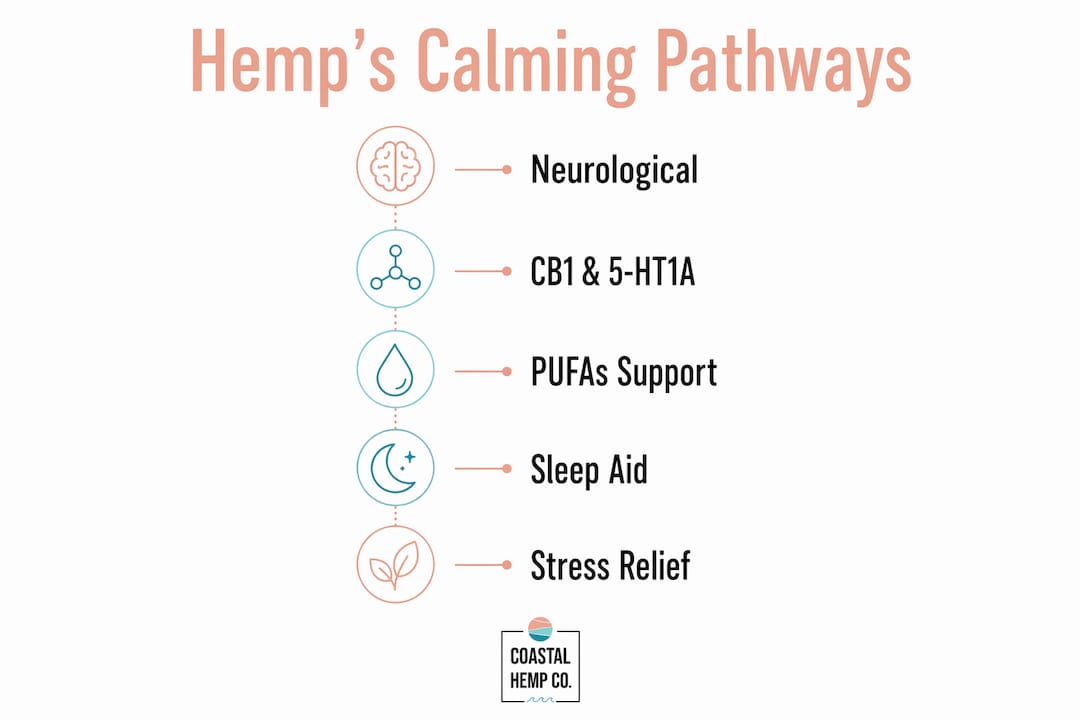
Infographic illustrating hemp calming pathways and effects

How hemp seed oil supports physical relaxation

Hemp seed oil is often overlooked in conversations about hemp benefits for relaxation, but its role is foundational. The oil is rich in linoleic and alpha-linolenic acids that support mitochondrial function and systemic biological balance related to stress regulation. Mitochondria produce the energy your cells need to function. When that process is disrupted by chronic stress, the body struggles to recover. PUFAs help stabilize that process.

The physiological benefits of hemp seed oil’s PUFAs include:

  • Inflammation resolution: PUFAs support lipid-mediated pathways that help the body resolve low-grade inflammation, a known contributor to chronic stress and fatigue.
  • Cell membrane stability: Healthy cell membranes improve signal transmission between neurons, which supports clearer cognitive function under pressure.
  • Metabolic homeostasis: Stable metabolic function reduces the physical symptoms of stress, including elevated heart rate and muscle tension.

When you combine hemp seed oil’s systemic support with CBD’s neurological effects, you get a multi-pathway approach to relaxation. This is why hemp-derived phytocannabinoids improve relaxation through synergistic effects alongside minor constituents. No single compound carries the full load. The whole plant matrix works together. You can read more about how these compounds interact in Coastalhemp’s guide to terpenes in hemp.

Does hemp reduce stress enough to improve sleep?

Hemp’s effect on sleep is indirect but well supported. CBD normalizes sleep architecture, particularly REM and deep slow-wave sleep, rather than knocking you out like a sedative. This distinction matters because sedatives suppress sleep stages, leaving you groggy. CBD restores them, leaving you rested.

Here is how hemp supports better sleep in practical terms:

  1. Reduces pre-sleep hyperarousal. Racing thoughts and physical tension are the most common barriers to falling asleep. CBD’s action on serotonergic pathways quiets both.
  2. Normalizes sleep phase distribution. Deep slow-wave sleep is where physical recovery happens. REM sleep is where emotional processing occurs. CBD helps both phases reach their natural duration.
  3. Reduces nighttime waking. Hemp oil-derived compounds reduce hyperarousal linked to insomnia, which is the primary driver of fragmented sleep.
  4. Supports consistent sleep timing. Regular CBD use, paired with a fixed sleep schedule, reinforces the body’s circadian rhythm more effectively than either approach alone.

Research is clear that CBD assists but does not replace good sleep hygiene. Avoiding caffeine after 2 p.m., keeping a consistent bedtime, and limiting screen exposure before bed all amplify hemp’s calming effects on sleep quality.

Pro Tip: Take hemp extract 30–60 minutes before your target bedtime. Pair it with a wind-down routine like dimmed lights and no screens to give CBD the right environment to work.

How do hemp’s calming properties compare to other natural relaxants?

Hemp occupies a unique position among natural calming supplements because it operates on multiple biological systems simultaneously. Most single-ingredient relaxants work through one mechanism.

Natural relaxant Primary mechanism Onset Duration Systemic support
Chamomile GABA receptor modulation 20–40 minutes 2–4 hours Low
Lavender (aromatherapy) Limbic system stimulation 5–15 minutes 1–2 hours Low
Hemp CBD Endocannabinoid + serotonergic pathways 30–90 minutes 4–8 hours High
Hemp seed oil (PUFAs) Metabolic and membrane stabilization Days to weeks Ongoing High

Chamomile and lavender improve sleep quality and anxiety but lack hemp’s systemic metabolic support. They are effective for mild, situational stress. Hemp, by contrast, addresses both the neurological trigger and the physiological environment that stress creates.

The key advantages hemp holds over single-ingredient relaxants:

  • Multi-pathway action covers both brain and body simultaneously.
  • The entourage effect means minor cannabinoids and terpenes add to the primary CBD effect.
  • Hemp seed oil provides ongoing metabolic support that builds over time, not just in the moment.
  • CBD is generally safe and non-intoxicating, making it appropriate for long-term daily use.

For a detailed breakdown of how hemp products compare to other relaxation supplements, Coastalhemp’s 2026 buyer’s guide covers the full spectrum of options with product-specific context.

Key Takeaways

Hemp’s calming effects are driven by CBD’s neurological action on serotonergic and endocannabinoid pathways, combined with hemp seed oil’s systemic PUFA support, producing multi-pathway relaxation without psychoactive effects.

Point Details
CBD targets stress at the source CBD modulates 5-HT1A and endocannabinoid receptors to reduce hyperarousal without sedation.
Hemp seed oil supports the body PUFAs like linoleic acid stabilize cell membranes and support metabolic balance linked to stress.
Sleep benefits are indirect CBD normalizes REM and deep sleep phases rather than forcing sedation, leaving you genuinely rested.
Lifestyle habits amplify results Consistent sleep schedules and good sleep hygiene significantly improve hemp’s calming effectiveness.
Multi-compound synergy matters The entourage effect means full-spectrum hemp products outperform isolated single-compound extracts for relaxation.

What I’ve learned from years of watching people use hemp for calm

Most people approach hemp the same way they approach ibuprofen: take it when things get bad, expect fast results, and move on. That mindset produces disappointment. Hemp’s calming effects are systemic and cumulative. They build with consistency, not with crisis dosing.

The biggest misconception I see is that CBD alone is the whole story. The science is clear that hemp seed oil’s fatty acids play a real role in physiological calm, yet most people ignore it entirely. If you are only taking a CBD isolate and skipping the full-spectrum or broad-spectrum options, you are leaving a significant portion of the benefit on the table. The entourage effect is not marketing language. It reflects how the plant actually works.

Quality is the other variable most people underestimate. Not all hemp extracts deliver the same cannabinoid profile or bioavailability. Third-party lab testing is the minimum standard worth accepting. Products without a certificate of analysis are a gamble, regardless of price. Coastalhemp’s approach of partnering with vetted growers and top brands addresses exactly this gap. You can also explore why hemp is less intense than THC to understand what to expect before you start.

Pair hemp with real lifestyle changes and the results compound. Pair it with nothing and you will get partial results at best.

— John

Coastalhemp’s hemp products for relaxation and stress support

Coastalhemp partners with leading growers and brands to bring you hemp products built around real cannabinoid science, not marketing claims.

https://coastalhemp.co

Whether you are looking for daily stress support or better sleep, the catalog covers a range of formats and potencies. The Enjoyable Neuro Enhancer Gummies are designed specifically for relaxation and cognitive support, making them a practical starting point. For those interested in full-spectrum CBD oil with organic sourcing, the Celestial Wellness CBD Oil delivers a complete cannabinoid profile in a clean, daily-use format. Every product ships fast and is backed by Coastalhemp’s commitment to quality and transparency. Browse the full selection at Coastalhemp and find the right fit for your routine.

FAQ

What are hemp’s calming effects caused by?

Hemp’s calming effects come from CBD’s action on serotonergic and endocannabinoid receptors, combined with the metabolic support provided by hemp seed oil’s polyunsaturated fatty acids. Together, these compounds reduce both neurological hyperarousal and physiological stress markers.

Is hemp effective for calming anxiety without getting high?

CBD is non-intoxicating and does not produce a high, making it suitable for daily anxiety management. It acts on the same receptor pathways as some anti-anxiety medications but without psychoactive side effects.

How long does it take for hemp extract to produce calming effects?

CBD typically takes 30–90 minutes to produce noticeable calming effects when taken orally, while hemp seed oil’s systemic benefits build over days to weeks of consistent use.

Can hemp oil help with sleep?

Hemp oil supports sleep by normalizing REM and deep slow-wave sleep phases rather than sedating you directly. Results improve significantly when combined with consistent sleep hygiene habits like fixed bedtimes and reduced screen exposure before sleep.

How does hemp compare to chamomile or lavender for stress relief?

Hemp provides multi-pathway support through both neurological and metabolic mechanisms, while chamomile and lavender primarily work through single pathways like GABA modulation or limbic stimulation. Hemp’s effects last longer and address a broader range of stress-related symptoms.

Hemp is defined as a plant-derived source of cannabinoids and polyunsaturated fatty acids that work together to promote relaxation without psychoactive intoxication. Understanding hemp calming effects explained through science gives you a clear picture of why so many people are turning to it as a natural option for stress relief. The two primary drivers are cannabidiol (CBD) and the essential fatty acids found in hemp seed oil. Together, they act on multiple biological systems to support both mental and physical calm. Coastalhemp carries a curated selection of hemp products built around exactly these mechanisms.

How does hemp calm the body and mind?

Hemp’s calming properties operate through two distinct but complementary pathways: neurological modulation via CBD and systemic physiological support via hemp seed oil’s fatty acids. This dual action is what separates hemp from single-ingredient relaxants like chamomile or melatonin. The industry term for this coordinated response is the “entourage effect,” where multiple compounds amplify each other’s benefits.

CBD is the most studied compound in hemp for anxiety and relaxation. It engages endocannabinoid and serotonergic (5-HT1A) signaling pathways that regulate how the brain processes stress. The 5-HT1A receptor is the same target that many prescription anti-anxiety medications act on, which explains why CBD produces a measurable calming response. Critically, CBD does this without triggering the psychoactive effects associated with THC.

Close-up hands holding CBD oil dropper over desk

Hemp seed oil adds a second layer of support. Its polyunsaturated fatty acids (PUFAs), specifically linoleic acid and alpha-linolenic acid, stabilize cell membranes and support metabolic balance. This systemic stability reduces the physiological “noise” that contributes to stress and tension. You can think of CBD as calming the brain while hemp seed oil calms the body.

What does CBD do for anxiety and stress?

CBD’s anxiolytic (anti-anxiety) effects are well documented in both animal and human studies. The compound reduces stress-related hyperarousal by normalizing receptor activity rather than suppressing the nervous system outright. This is a meaningful distinction: CBD does not sedate you. It brings an overactive stress response back toward baseline.

Key effects of CBD on anxiety and stress include:

  • Receptor modulation: CBD acts on 5-HT1A serotonin receptors, which directly influence mood and anxiety levels.
  • Non-psychoactive profile: CBD does not cause a high and has a favorable safety profile compared to THC, making it suitable for daily use.
  • Neuroprotection: CBD exhibits anxiolytic and neuroprotective effects without psychoactive adverse outcomes, acting on multiple receptors and ion channels simultaneously.
  • Stress behavior reduction: In a Cornell study, 83% of dogs given CBD showed decreased stress behaviors during stressful events. While animal data does not directly translate to humans, the consistency of the anxiolytic signal across species strengthens the mechanistic case.
  • Regulatory recognition: The FDA has approved Epidiolex, a purified CBD medicine, for pediatric epilepsy. This clinical acceptance of CBD signals that regulatory agencies recognize its neurological effects as real and measurable.

The safety profile is one of CBD’s strongest selling points. You can incorporate it into a daily wellness routine without the tolerance buildup or dependency risks associated with pharmaceutical anxiolytics.

Pro Tip: Start with a low dose of CBD and hold it consistent for at least two weeks before evaluating results. The calming effects of hemp build with regularity, not with higher doses.

Infographic illustrating hemp calming pathways and effects

How hemp seed oil supports physical relaxation

Hemp seed oil is often overlooked in conversations about hemp benefits for relaxation, but its role is foundational. The oil is rich in linoleic and alpha-linolenic acids that support mitochondrial function and systemic biological balance related to stress regulation. Mitochondria produce the energy your cells need to function. When that process is disrupted by chronic stress, the body struggles to recover. PUFAs help stabilize that process.

The physiological benefits of hemp seed oil’s PUFAs include:

  • Inflammation resolution: PUFAs support lipid-mediated pathways that help the body resolve low-grade inflammation, a known contributor to chronic stress and fatigue.
  • Cell membrane stability: Healthy cell membranes improve signal transmission between neurons, which supports clearer cognitive function under pressure.
  • Metabolic homeostasis: Stable metabolic function reduces the physical symptoms of stress, including elevated heart rate and muscle tension.

When you combine hemp seed oil’s systemic support with CBD’s neurological effects, you get a multi-pathway approach to relaxation. This is why hemp-derived phytocannabinoids improve relaxation through synergistic effects alongside minor constituents. No single compound carries the full load. The whole plant matrix works together. You can read more about how these compounds interact in Coastalhemp’s guide to terpenes in hemp.

Does hemp reduce stress enough to improve sleep?

Hemp’s effect on sleep is indirect but well supported. CBD normalizes sleep architecture, particularly REM and deep slow-wave sleep, rather than knocking you out like a sedative. This distinction matters because sedatives suppress sleep stages, leaving you groggy. CBD restores them, leaving you rested.

Here is how hemp supports better sleep in practical terms:

  1. Reduces pre-sleep hyperarousal. Racing thoughts and physical tension are the most common barriers to falling asleep. CBD’s action on serotonergic pathways quiets both.
  2. Normalizes sleep phase distribution. Deep slow-wave sleep is where physical recovery happens. REM sleep is where emotional processing occurs. CBD helps both phases reach their natural duration.
  3. Reduces nighttime waking. Hemp oil-derived compounds reduce hyperarousal linked to insomnia, which is the primary driver of fragmented sleep.
  4. Supports consistent sleep timing. Regular CBD use, paired with a fixed sleep schedule, reinforces the body’s circadian rhythm more effectively than either approach alone.

Research is clear that CBD assists but does not replace good sleep hygiene. Avoiding caffeine after 2 p.m., keeping a consistent bedtime, and limiting screen exposure before bed all amplify hemp’s calming effects on sleep quality.

Pro Tip: Take hemp extract 30–60 minutes before your target bedtime. Pair it with a wind-down routine like dimmed lights and no screens to give CBD the right environment to work.

How do hemp’s calming properties compare to other natural relaxants?

Hemp occupies a unique position among natural calming supplements because it operates on multiple biological systems simultaneously. Most single-ingredient relaxants work through one mechanism.

Natural relaxant Primary mechanism Onset Duration Systemic support
Chamomile GABA receptor modulation 20–40 minutes 2–4 hours Low
Lavender (aromatherapy) Limbic system stimulation 5–15 minutes 1–2 hours Low
Hemp CBD Endocannabinoid + serotonergic pathways 30–90 minutes 4–8 hours High
Hemp seed oil (PUFAs) Metabolic and membrane stabilization Days to weeks Ongoing High

Chamomile and lavender improve sleep quality and anxiety but lack hemp’s systemic metabolic support. They are effective for mild, situational stress. Hemp, by contrast, addresses both the neurological trigger and the physiological environment that stress creates.

The key advantages hemp holds over single-ingredient relaxants:

  • Multi-pathway action covers both brain and body simultaneously.
  • The entourage effect means minor cannabinoids and terpenes add to the primary CBD effect.
  • Hemp seed oil provides ongoing metabolic support that builds over time, not just in the moment.
  • CBD is generally safe and non-intoxicating, making it appropriate for long-term daily use.

For a detailed breakdown of how hemp products compare to other relaxation supplements, Coastalhemp’s 2026 buyer’s guide covers the full spectrum of options with product-specific context.

Key Takeaways

Hemp’s calming effects are driven by CBD’s neurological action on serotonergic and endocannabinoid pathways, combined with hemp seed oil’s systemic PUFA support, producing multi-pathway relaxation without psychoactive effects.

Point Details
CBD targets stress at the source CBD modulates 5-HT1A and endocannabinoid receptors to reduce hyperarousal without sedation.
Hemp seed oil supports the body PUFAs like linoleic acid stabilize cell membranes and support metabolic balance linked to stress.
Sleep benefits are indirect CBD normalizes REM and deep sleep phases rather than forcing sedation, leaving you genuinely rested.
Lifestyle habits amplify results Consistent sleep schedules and good sleep hygiene significantly improve hemp’s calming effectiveness.
Multi-compound synergy matters The entourage effect means full-spectrum hemp products outperform isolated single-compound extracts for relaxation.

What I’ve learned from years of watching people use hemp for calm

Most people approach hemp the same way they approach ibuprofen: take it when things get bad, expect fast results, and move on. That mindset produces disappointment. Hemp’s calming effects are systemic and cumulative. They build with consistency, not with crisis dosing.

The biggest misconception I see is that CBD alone is the whole story. The science is clear that hemp seed oil’s fatty acids play a real role in physiological calm, yet most people ignore it entirely. If you are only taking a CBD isolate and skipping the full-spectrum or broad-spectrum options, you are leaving a significant portion of the benefit on the table. The entourage effect is not marketing language. It reflects how the plant actually works.

Quality is the other variable most people underestimate. Not all hemp extracts deliver the same cannabinoid profile or bioavailability. Third-party lab testing is the minimum standard worth accepting. Products without a certificate of analysis are a gamble, regardless of price. Coastalhemp’s approach of partnering with vetted growers and top brands addresses exactly this gap. You can also explore why hemp is less intense than THC to understand what to expect before you start.

Pair hemp with real lifestyle changes and the results compound. Pair it with nothing and you will get partial results at best.

— John

Coastalhemp’s hemp products for relaxation and stress support

Coastalhemp partners with leading growers and brands to bring you hemp products built around real cannabinoid science, not marketing claims.

https://coastalhemp.co

Whether you are looking for daily stress support or better sleep, the catalog covers a range of formats and potencies. The Enjoyable Neuro Enhancer Gummies are designed specifically for relaxation and cognitive support, making them a practical starting point. For those interested in full-spectrum CBD oil with organic sourcing, the Celestial Wellness CBD Oil delivers a complete cannabinoid profile in a clean, daily-use format. Every product ships fast and is backed by Coastalhemp’s commitment to quality and transparency. Browse the full selection at Coastalhemp and find the right fit for your routine.

FAQ

What are hemp’s calming effects caused by?

Hemp’s calming effects come from CBD’s action on serotonergic and endocannabinoid receptors, combined with the metabolic support provided by hemp seed oil’s polyunsaturated fatty acids. Together, these compounds reduce both neurological hyperarousal and physiological stress markers.

Is hemp effective for calming anxiety without getting high?

CBD is non-intoxicating and does not produce a high, making it suitable for daily anxiety management. It acts on the same receptor pathways as some anti-anxiety medications but without psychoactive side effects.

How long does it take for hemp extract to produce calming effects?

CBD typically takes 30–90 minutes to produce noticeable calming effects when taken orally, while hemp seed oil’s systemic benefits build over days to weeks of consistent use.

Can hemp oil help with sleep?

Hemp oil supports sleep by normalizing REM and deep slow-wave sleep phases rather than sedating you directly. Results improve significantly when combined with consistent sleep hygiene habits like fixed bedtimes and reduced screen exposure before sleep.

How does hemp compare to chamomile or lavender for stress relief?

Hemp provides multi-pathway support through both neurological and metabolic mechanisms, while chamomile and lavender primarily work through single pathways like GABA modulation or limbic stimulation. Hemp’s effects last longer and address a broader range of stress-related symptoms.

Comments

Be the first to comment.
All comments are moderated before being published.