

Top Hemp Products for Recovery: Expert-Vetted Picks 2026
The best hemp products for recovery right now are multi-cannabinoid edibles and functional blends that pair cannabinoids with adaptogenic ingredients. For most users, the shortlist comes down to six options: Jelly THCA Live Sugar Blend Gummies for high-potency systemic relief, Celestial Wellness THCv Gummies for an alternative cannabinoid profile, Trippy Sugar THCa Diamonds for rapid-onset concentrate users, Gushrooms Magic Gummies for cannabinoid-plus-mushroom blends, Road Trip Mushroom Chocolate Bar for overnight recovery support, and Enjoyable Neuro Enhancer Gummies for measured cognitive-restorative dosing.
Quick picks by use case:
- Post-workout soreness: Jelly THCA Live Sugar Blend Gummies or Gushrooms Magic Gummies
- Chronic low-level pain: Celestial Wellness THCv Gummies 200mg
- Rapid spot relief: Trippy Sugar THCa Diamonds 2G (experienced users only)
- Sleep-aided overnight recovery: Road Trip Mushroom Chocolate Bar
Pro Tip: Check the COA for each product before buying. A credible certificate of analysis shows cannabinoid breakdown, residual solvent results, and microbial testing — not just total cannabinoid content.
Key Takeaways
Multi-cannabinoid formulations with transparent COAs and clear per-serving dosing are the most reliable hemp products for physical recovery in 2026.
| Point | Details |
|---|---|
| Match format to recovery goal | Edibles for systemic overnight relief; concentrates for rapid onset; topicals for localized spot pain. |
| COA verification is non-negotiable | Confirm delta-9 THC percentage, cannabinoid breakdown, and ISO/IEC 17025 lab accreditation before purchasing. |
| Liver safety requires attention | High-dose CBD and repeated daily use at consumer dosing ranges are associated with liver enzyme elevations; consult a clinician if you take hepatically metabolized medications, have a history of liver disease, or plan to use CBD regularly. |
| Titrate before increasing dose | Start at the lowest labeled serving, wait for full onset (up to 120 minutes for edibles), and track response for 3–5 days. |
| Coastalhemp curated picks | Jelly THCA Gummies, Gushrooms Magic Gummies, Road Trip Chocolate Bar, and THCv Gummies cover the main recovery use cases with COA-backed transparency. |
Table of Contents
- What are the top hemp products for recovery right now?
- How these picks were selected
- How to choose a hemp product for your recovery needs
- How to use hemp products for recovery: dosing, timing, and titration
- What does the research say about safety and side effects?
- Why multi-cannabinoid formulations may work better for recovery
- An honest perspective on hemp and recovery
- Coastalhemp’s curated recovery picks are ready to shop
- Sources
- FAQ
What are the top hemp products for recovery right now?
Each product below earns its place for a specific recovery context. The format, cannabinoid profile, formulation, and your liver health all matter—consult a clinician before use if you take prescription medications metabolized by the liver or have a history of liver disease.
Jelly THCA Live Sugar Blend Gummies | 3-Pack Bundle
This is the high-potency edible pick for users who need longer-duration systemic relief. The live-sugar THCA formulation preserves a broader terpene and cannabinoid profile than standard distillate gummies, which may support a more complete effect. The 3-pack bundle gives meaningful total potency across the set. Onset occurs within a typical edible range, with effects lasting several hours, making it well-suited for post-training recovery windows or rest-day use.
- Best for: Athletes and active adults seeking sustained systemic relief
- Standout: Live-sugar THCA process retains more of the plant’s native profile
- Note: Legal age requirement applies; start with the lowest serving and titrate up
Celestial Wellness | THCv Gummies | 200mg
THCv occupies a distinct position in the cannabinoid spectrum. Unlike CBD, THCv is thought to interact with CB1 and CB2 receptors differently and may produce a more alert, functional effect at lower doses. For users who find standard CBD edibles too sedating or want a daytime recovery option, the 200mg total in this format allows for measured dosing across multiple servings. It’s a practical choice for chronic soreness management without the heavier sedation profile of some full-spectrum products.
- Best for: Daytime recovery, chronic soreness, users exploring alternative cannabinoid profiles
- Standout: THCv-centered formulation with clear per-serving labeling
Trippy Sugar THCa Diamonds 2G
Concentrates are not the starting point for most recovery users, but for experienced individuals who need rapid onset, THCa diamonds deliver. Inhalation-based onset runs 1–5 minutes, with effects tapering within 1–3 hours. The 2G format provides significant total potency. This is not recommended for newcomers or for anyone microdosing for recovery; the dosing precision required is higher, and the margin for overconsumption is narrower.
- Best for: Experienced users, rapid-onset needs, spot pain before activity
- Standout: Fastest onset of any format in this list
Gushrooms Magic Gummies
The combination of hemp-derived cannabinoids with functional mushroom extracts reflects a growing direction in recovery formulations. Research on multi-cannabinoid formulations suggests that pairing cannabinoids with complementary ingredients may support recovery outcomes beyond what single-ingredient CBD achieves. Adaptogenic mushrooms like lion’s mane and reishi are well-documented for their support of the stress-response and immune systems. Gushrooms Magic Gummies bring both into one edible format with a 45–90 minute onset.
- Best for: Users who want cannabinoid plus adaptogenic mushroom support in one product
- Standout: Blended formula addresses multiple recovery pathways simultaneously
Road Trip Mushroom Chocolate Bar
The chocolate format slows digestion slightly compared to standard gummies, which can extend onset to 60–120 minutes but also stretches duration to 6–10 hours. That makes this bar the strongest fit for evening use, particularly for users who struggle with sleep quality during heavy training blocks. Cannabinoids paired with functional mushroom ingredients create a recovery-oriented profile suited to overnight repair. Portion control matters here: break the bar into defined segments and track your serving size carefully.
- Best for: Overnight recovery, sleep-quality support, evening wind-down
- Standout: Extended duration edible with a palatable delivery format
Enjoyable Neuro Enhancer Gummies 2pk
The 2-pack format is a deliberate dosing choice. Smaller pack sizes reduce the risk of accidental overconsumption and make it easier to track intake across a recovery week. The neuro-enhancer positioning reflects a blend of functional ingredients targeting cognitive recovery alongside physical rest, which matters for athletes managing training load and mental fatigue simultaneously. Onset and duration fall within typical edible ranges, with peak effects beginning around an hour after ingestion and lasting several hours.
- Best for: Measured dosing, cognitive-restorative support, users new to functional edibles
- Standout: Compact format with focus on cognitive and restorative ingredient blends
How these picks were selected
Every product on this list passed a consistent set of criteria before inclusion. No product was included based on marketing claims alone.
Selection criteria:
- Third-party COA availability: Each product must have a certificate of analysis from an independent lab showing cannabinoid profile, residual solvents, pesticides, and microbial results.
- Cannabinoid transparency: Clear per-serving and total-container mg labeling, with spectrum type identified (full-spectrum, broad-spectrum, isolate, or multi-cannabinoid blend).
- Formulation fit for recovery: Ingredients and delivery format must align with at least one defined recovery use case (post-workout soreness, chronic pain, sleep-aided recovery, or cognitive restoration).
- Legal THC compliance: All products are hemp-derived with delta-9 THC at or below 0.3% by dry weight, consistent with the 2018 Farm Bill framework for U.S. legal compliance.
- Ingredient quality: No proprietary blends without disclosure; functional ingredients (mushroom extracts, terpenes) must be named and quantified where possible.
- Dosing clarity: Products with ambiguous serving sizes or unlabeled potency were excluded.
Labels were reviewed against available COA data to check for potency accuracy. Ingredient synergy was evaluated by delivery format: topicals for localized onset, edibles for systemic duration, concentrates for rapid onset. The spectrum guide from Forbes Health provides a useful reference for understanding full-spectrum versus broad-spectrum versus isolate labeling, which directly affects THC exposure and legal status.
Evidence limitation: Large-scale randomized controlled trials on hemp-derived products for general recovery remain limited. Most clinical evidence comes from CBD-specific trials or small pilot studies. Recommendations here are grounded in available research and formulation logic, not definitive clinical proof.
Pro Tip: When reviewing a COA, look for the “cannabinoid profile” panel first. Confirm the delta-9 THC percentage matches the product label, then check that the lab is ISO/IEC 17025 accredited — that accreditation is the minimum standard for credible third-party testing.
How to choose a hemp product for your recovery needs
Matching the right product to your recovery goal is more useful than chasing the highest milligram count.
1. Define your recovery goal first. Post-workout muscle soreness calls for a different approach than chronic low-level joint pain or sleep disruption. Edibles and capsules work best for systemic, longer-duration effects. Topicals address localized pain with minimal systemic exposure. Concentrates deliver rapid onset but require precise dosing.
2. Understand spectrum differences. Full-spectrum products contain CBD alongside minor cannabinoids and trace THC (≤0.3%). Broad-spectrum removes THC while retaining other cannabinoids. Isolate is pure CBD. For recovery, multi-cannabinoid formulations tend to offer broader receptor engagement than isolate alone.
3. Do the mg-per-serving math. Divide the total mg by the number of servings to get your per-dose amount. A product labeled “1000mg total” with 20 servings delivers 50mg per serving. That number matters more than the total container size.
4. Verify THC content and legal status. Hemp-derived products sold legally in the U.S. must contain ≤0.3% delta-9 THC by dry weight. Check the COA’s delta-9 THC panel, not just the product label.
5. Check price per mg. Divide the product price by total mg of active cannabinoid. This gives a comparable cost-efficiency metric across products with different formats and sizes.
6. Confirm COA accessibility. If a brand does not publish COAs or makes them difficult to find, that is a disqualifying red flag.
Red flags to avoid:
- No COA, or a COA that only shows total cannabinoids without individual breakdown
- Vague potency claims (“high-potency formula”) without mg-per-serving disclosure
- Proprietary blends that list ingredients without quantities
- Potency claims that significantly exceed what the COA confirms
- Products with no listed delta-9 THC percentage
Pro Tip: Scan the COA’s “delta-9 THC” line and compare it to the product label. If the COA shows a higher delta-9 percentage than the label claims, the product may not be legally compliant in your state. This check takes under 30 seconds and protects you from both legal and safety risk.
Understanding why hemp product variety matters can also help you match delivery format to your specific recovery timeline.
How to use hemp products for recovery: dosing, timing, and titration
Dosing hemp products for recovery follows a consistent principle: start low, increase gradually, and track your response before adjusting. If using repeated daily doses, particularly for products containing CBD, baseline and follow-up liver enzyme monitoring are recommended for safety.
Step 1: Start at the lowest labeled serving. For most edibles, that means one gummy or one defined portion. For concentrates, a rice-grain-sized amount is a reasonable starting point for experienced users.
Step 2: Wait for full onset before redosing. Edibles take 45–120 minutes to reach peak effect. Redosing before that window closes is the most common cause of overconsumption. Set a timer.
Step 3: Track your response for 3–5 days before adjusting. Note soreness levels, sleep quality, and any side effects. Consistent lower-dose regimens tend to outperform single high-dose sessions for most recovery users. Only increase the serving size if the current dose produces no noticeable effect after a full week of consistent use.
Onset and duration by product type:
| Product Type | Onset | Duration | Best Recovery Timing |
|---|---|---|---|
| Edible gummy | 45–90 min | 4–10 hrs | 60–90 min before sleep or rest window |
| Chocolate bar edible | 60–120 min | 6–10 hrs | Evening, 90 min before sleep |
| Concentrate (inhaled) | 1–5 min | 1–3 hrs | Immediately post-workout or pre-activity spot relief |
| Sublingual oil/tincture | 45–90 min | 3–6 hrs | 30 min before rest or post-workout |
| Capsule/softgel | 60–90 min | several hours | With a meal, 60 min before recovery window |
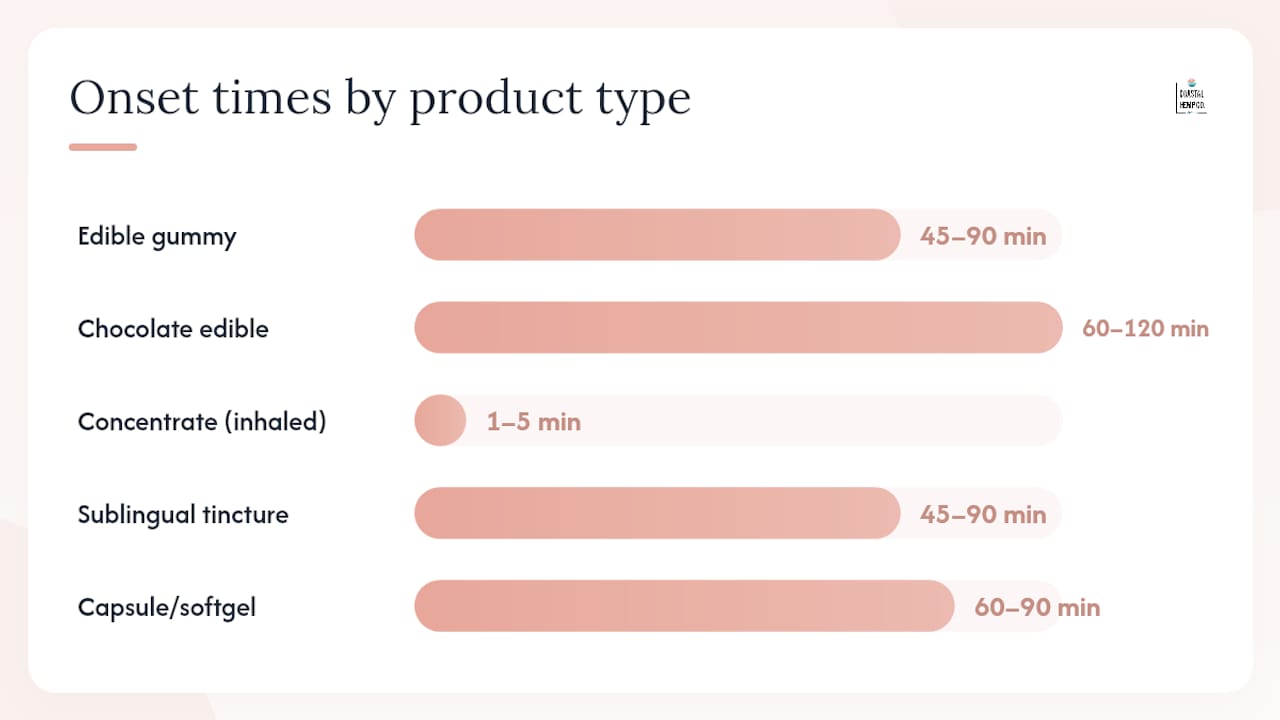
For post-workout soreness, a low-to-moderate dose edible taken 60–90 minutes before sleep aligns cannabinoid peak effect with the body’s primary repair window. If you plan repeated daily use for recovery, monitor liver enzyme levels as recommended by clinical trial evidence. For chronic low-level pain, a consistent daily dose at the same time each day tends to produce more stable results than as-needed dosing. Spot pain before activity is the one context where a rapid-onset format like a concentrate makes practical sense, though only for experienced users.
Hemp alternative dosage best practices covers titration in more detail, including guidance on adjusting for body weight and tolerance.
What does the research say about safety and side effects?
CBD and hemp-derived cannabinoids have a generally favorable safety profile at moderate doses in healthy adults, but specific risks deserve direct attention.
Liver enzyme elevations are the most clinically documented concern. A systematic review and meta-analysis found that CBD use was associated with increased odds of liver enzyme elevations and drug-induced liver injury compared with placebo across analyzed trials. High-dose CBD and concurrent use of hepatically metabolized medications were identified as higher-risk contexts. A separate randomized clinical trial reported elevated ALT/AST above three times the upper limit of normal in a subset of participants using repeated higher-dose CBD, reinforcing the need for monitoring in at-risk individuals.
Who should consult a clinician before use:
- Anyone taking prescription medications metabolized by the liver (CYP450 pathway drugs, including many antiepileptics, blood thinners, and statins)
- Individuals with a history of liver disease or elevated liver enzymes
- Pregnant or breastfeeding individuals
- Anyone under 18 years of age
- Individuals with a history of substance use disorder
Practical safety steps:
- Keep a simple log of product, dose, and timing for the first 30 days
- If you are on interacting medications, request a baseline liver function panel before starting
- Read ingredient labels for added compounds (e.g., kava, valerian, high-dose melatonin) that may compound hepatic load
- Verify COA results for residual solvents and pesticides, not just cannabinoid content
Product quality risk is real. Mislabeling and inaccurate potency are documented issues in the hemp market. A COA from an ISO/IEC 17025 accredited lab is the most reliable check against both safety and legal compliance concerns.
This article provides general information only and is not a substitute for professional medical advice. Consult a qualified clinician before starting any new supplement regimen, especially if you take prescription medications or have a pre-existing health condition.
Why multi-cannabinoid formulations may work better for recovery
CBD’s pharmacology extends well beyond CB1 and CB2 receptor activity. It interacts with TRPV1 (a key pain-sensing ion channel), serotonin 1A receptors, and PPAR receptors, all of which are relevant to analgesia and inflammation. That multi-target profile is part of why CBD-only products have shown meaningful effects in some recovery contexts. Minor cannabinoids add further receptor diversity.
Preclinical evidence shows that CBN, CBC, CBL, and CBG each engage distinct anti-inflammatory or analgesic mechanisms. CBG, for example, targets different sensory neurons than CBD, which may broaden the overall anti-inflammatory effect when both are present. Recent in vivo work confirms anti-inflammatory and analgesic effects for several minor cannabinoids in animal models, though dose-dependent side effects at higher doses underscore the need for human safety data before drawing firm conclusions.
The most directly applicable human evidence comes from a small randomized pilot trial of a CBD and CBG beverage powder combined with BCAAs, magnesium, and beta-caryophyllene. The active formulation showed improved functional recovery measures and reduced interference of DOMS with daily activities versus placebo, though objective soreness measures were mixed. The trial was small (N=40), and results should be interpreted as a signal, not a definitive finding.
Practical guidance on when to choose multi-cannabinoid blends:
- Post-workout soreness where a single-ingredient CBD product has produced limited results
- Recovery routines where sleep quality is a concurrent concern (CBN has sedative-adjacent properties in some users)
- Users who want to pair cannabinoids with adaptogenic ingredients for a broader wellness effect
Caveats worth stating plainly:
- Human clinical data on minor cannabinoids remains limited; most evidence is preclinical
- Multi-cannabinoid products have more complex COA requirements — check that the certificate lists each cannabinoid individually
- Different cannabinoid combinations may produce different side-effect profiles; titrate any new multi-cannabinoid product from the lowest serving
An honest perspective on hemp and recovery
Hemp products are a support tool, not a replacement for the fundamentals. Rest, nutrition, hydration, and structured physical therapy remain the primary drivers of recovery. Sports physiology research consistently frames cannabinoid use as complementary to these practices, not a substitute for them. That framing matters because it shapes how you use these products and what you expect from them.
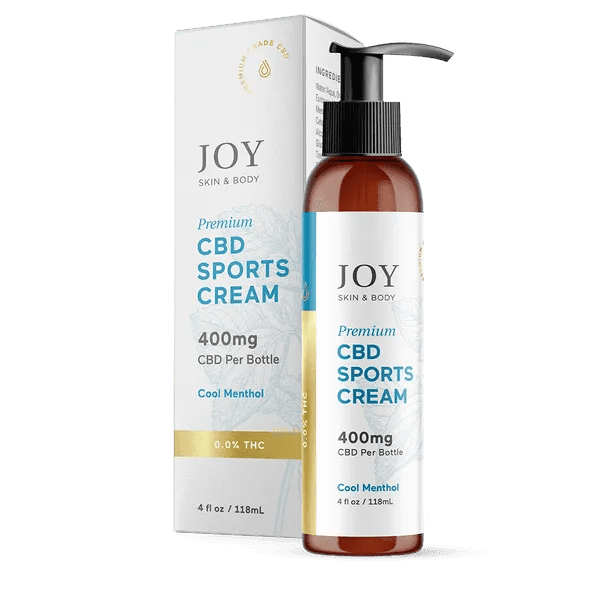
The most practical pairing for post-workout recovery is a low-to-moderate dose systemic edible taken in the evening, combined with a topical like a CBD sports cream applied directly to sore muscle groups. The topical addresses localized discomfort with fast onset and minimal systemic exposure; the edible supports the broader recovery window overnight. Neither replaces sleep or protein intake, but together they can make the recovery window more comfortable and consistent.
The products worth trusting are the ones with transparent COAs, clear per-serving labeling, and formulations that match the use case. High milligram counts without context are a marketing signal, not a quality signal.
Coastalhemp’s curated recovery picks are ready to shop
Coastalhemp curates hemp-derived products from vetted brands, with COAs accessible for every product in the catalog. For recovery use cases specifically, four products stand out.

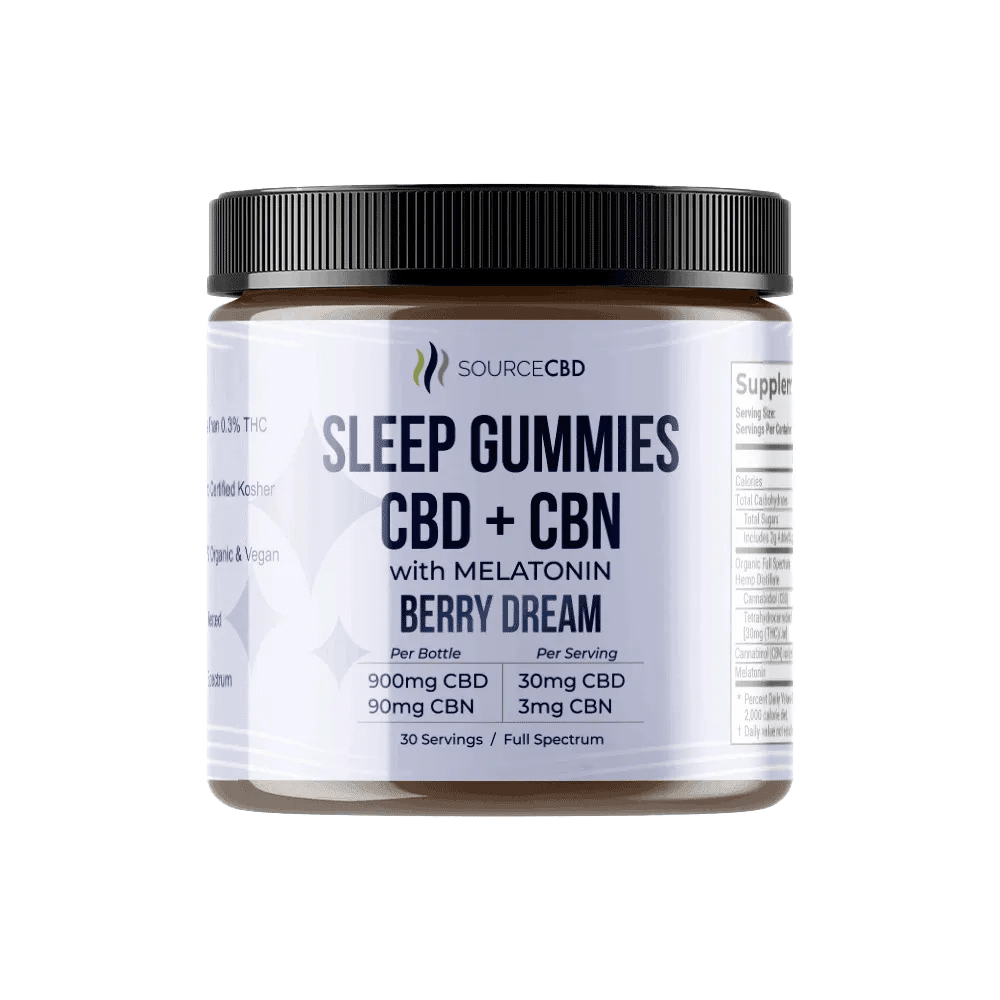
The Jelly THCA Live Sugar Blend Gummies deliver high-potency live-sugar THCA in a 3-pack bundle, suited for users who need sustained systemic relief after training. The Gushrooms Magic Gummies pair cannabinoids with functional mushroom extracts for a blended adaptogenic approach. For evening recovery, the Road Trip Mushroom Chocolate Bar offers a longer-duration edible with a palatable format. And for users exploring alternative cannabinoid profiles, the Celestial Wellness THCv Gummies 200mg provide a daytime-friendly option with clear per-serving dosing.
All products ship within the U.S. and are hemp-derived with delta-9 THC at or below 0.3% by dry weight. Purchase requires legal age verification. Browse the full recovery-oriented selection at Coastalhemp and check COAs directly on each product page before you buy.
Sources
The clinical and review sources below were used to inform the safety, formulation, and dosing guidance in this article.
- Cannabidiol-associated hepatotoxicity: A systematic review and meta-analysis
- A randomized, double-blind, placebo-controlled, repeated-dose pilot study of a CBD- and CBG-based beverage powder to support recovery from DOMS
- Cannabidiol (CBD) in Clinical Care - StatPearls - NCBI Bookshelf
- Cannabidiol and liver enzyme level elevations in healthy adults: a randomized clinical trial
- A randomized, double-blind, placebo-controlled, repeated-dose pilot study of a CBD- and CBG-based beverage powder to support recovery from DOMS
- In vivo evaluation of minor cannabinoids (CBN, CBC, CBL) and their analgesic/anti-inflammatory effects — Springer article
How to read a COA quickly: Open the certificate and locate the “cannabinoid profile” panel. Confirm the delta-9 THC percentage is at or below 0.3%. Check that the issuing lab carries ISO/IEC 17025 accreditation. Then scan for residual solvents and microbial panels — both should show “pass” or “ND” (not detected) for regulated compounds.
FAQ
What cannabinoids work best for muscle recovery?
CBD combined with minor cannabinoids like CBG and CBN tends to produce broader recovery effects than CBD alone, based on preclinical evidence showing distinct receptor targets for each cannabinoid. Multi-cannabinoid formulations with transparent COAs are the most evidence-aligned choice for muscle recovery.
Does CBD actually help with physical recovery?
CBD interacts with TRPV1, serotonin 1A, and PPAR receptors, all relevant to pain and inflammation, and a small randomized pilot trial found that a CBD and CBG formulation reduced functional interference from delayed-onset muscle soreness versus placebo. Results are promising but based on limited human data; CBD works best as a complement to rest, nutrition, and structured recovery practices.
Is CBD hard on the liver or kidneys?
A systematic review and meta-analysis found CBD use was associated with higher odds of liver enzyme elevations compared with placebo, particularly at high doses or when combined with hepatically metabolized medications. Kidney-specific risk is not well-documented in current literature; liver monitoring is the primary clinical concern, especially for users on interacting prescriptions.
What is the most trusted hemp extract for recovery?
No single extract holds a universally recognized “most trusted” designation, but full-spectrum and multi-cannabinoid extracts with ISO/IEC 17025 accredited COAs showing cannabinoid breakdown, residual solvent results, and microbial testing represent the highest-quality standard currently available. Coastalhemp’s curated picks, including the Jelly THCA Live Sugar Blend Gummies and Gushrooms Magic Gummies, meet this standard.
How do I know if a hemp product is legal in the U.S.?
Hemp-derived products are federally legal under the 2018 Farm Bill when delta-9 THC content is at or below 0.3% by dry weight. Verify this on the product’s COA under the delta-9 THC panel, not just the product label, and check your state’s specific hemp regulations, as some states impose additional restrictions.


Comments