

Hemp Seed Bioactive Compounds: A Technical 2026 Guide
Hemp seeds (Cannabis sativa L.) contain five major classes of bioactive compounds: phenylpropionamides (lignanamides and hydroxycinnamic acid amides, or HCAAs), flavonoids and simple phenolic acids, oil-phase bioactives (polyunsaturated fatty acids, tocopherols, and phytosterols), proteins and bioactive peptides, and volatile terpenes. The representative molecules researchers track most closely include cannabisin A, cannabisin B, N-trans-caffeoyltyramine, N-feruloyltyramine, caffeoyltyramide, quercetin, apigenin, γ-tocopherol, and β-sitosterol.
One point worth stating plainly at the outset: phytocannabinoids are not a native product of hemp seeds. Hemp seeds do not produce cannabinoids naturally; any detected THC or CBD typically reflects contamination occurring during harvesting or processing
- Phenylpropionamides (lignanamides + HCAAs): dominant seed phenolics, concentrated in hulls and defatted cake
- Flavonoids and phenolic acids: quercetin, apigenin, rutin, ferulic acid, p-coumaric acid — present at lower levels
- Oil-phase bioactives: linoleic acid (omega-6), α-linolenic acid (omega-3), γ-tocopherol, β-sitosterol — concentrated in the oil fraction
- Proteins and bioactive peptides: edestin and albumin storage proteins, with hydrolysates showing in vitro anti-inflammatory activity
- Volatile terpenes: (E)-caryophyllene, α-humulene, β-myrcene, d-limonene — relevant to sensory quality and functional coatings
Key takeaways
Hemp seed bioactive compounds span five chemical classes, each concentrated in a distinct seed fraction, and the analytical and regulatory frameworks for working with them in the U.S. are now well enough established to support serious product development.
- Phenylpropionamides dominate seed phenolics: cannabisin A/B and N-trans-caffeoyltyramine are the primary markers; source from hull or defatted cake and quantify by HPLC-ESI-MS/MS
- Oil fraction carries lipophilic bioactives: γ-tocopherol (dominant tocopherol), β-sitosterol, and PUFAs (linoleic + α-linolenic) concentrate in cold-pressed oil; protect from oxidation throughout processing
- Proteins require targeted processing: edestin and albumin are the storage proteins; alcalase hydrolysis generates bioactive peptides, but solubility and emulsification limits must be addressed for food applications
- Cannabinoids are contaminants, not seed products: seeds lack glandular trichomes; any detected THC/CBD reflects post-harvest contamination; test every lot by LC-MS/MS
- FDA GRAS covers three specific ingredients: hulled hemp seed (GRN765), protein powder (GRN771), and oil (GRN778) under their stated conditions of use; added CBD/THC to food remains outside FDA authorization
| Point | Details |
|---|---|
| Dominant phenolic class | Lignanamides and HCAAs (cannabisin A/B, N-trans-caffeoyltyramine) concentrate in hull and defatted cake. |
| Oil-phase bioactives | γ-tocopherol is the dominant tocopherol; β-sitosterol leads phytosterols; PUFAs account for most of the fatty acid profile. |
| Cannabinoid contamination | Seeds do not biosynthesize cannabinoids; trace THC/CBD in seed products reflects post-harvest contact contamination. |
| U.S. regulatory status | FDA raised no questions for GRN765, GRN771, and GRN778; added CBD/THC to food is not authorized. |
| Coastalhemp sourcing | Coastalhemp partners with tested, GRAS-aligned hemp ingredient suppliers and provides education on hemp compound profiles for informed consumers and developers. |
Table of Contents
- Where do hemp seed bioactives concentrate across seed fractions?
- What are the dominant phenolic compounds in hemp seeds?
- Which flavonoids and phenolic acids appear in hemp seeds?
- What does hemp seed oil contribute as a source of bioactives?
- Hemp seed proteins and bioactive peptides: what researchers need to know
- Volatile compounds and terpenes in hemp: what to measure and why
- What biological activities do hemp seed bioactives show in the lab?
- How do you extract and identify hemp seed bioactives in the lab?
- How processing and formulation affect hemp seed bioactive stability
- U.S. regulatory and safety considerations for hemp seed ingredients
- Practical implications for U.S. hemp seed product development
- What the science actually means for hemp product development
- Coastalhemp carries tested hemp products worth exploring
- Key Takeaways
- Sources
- FAQ
Where do hemp seed bioactives concentrate across seed fractions?
Understanding which fraction to sample is the first practical decision any researcher or formulator faces. Hemp seeds are not chemically uniform, and the distribution of bioactives across hull, kernel, oil, and defatted cake is pronounced enough to change your analytical strategy entirely.
The hull is where phenolics accumulate. Research on hemp seed nutritional value confirms that hulls hold the bulk of phenolic antioxidants, including lignanamides and HCAAs. The kernel, by contrast, is the primary site of storage proteins (edestin and albumin) and the lipophilic fraction. Cold-pressed or solvent-extracted oil concentrates PUFAs, tocopherols, and phytosterols. Defatted cake, the solid residue after oil extraction, retains most of the phenolics and proteins and is often the most analytically rich fraction for antioxidant screening.
| Seed fraction | Primary bioactive classes | Notes |
|---|---|---|
| Hull | Lignanamides, HCAAs, simple phenolic acids | Highest total phenolic content; dehull before phenolic extraction |
| Kernel | Storage proteins (edestin, albumin), lipids | Source of bioactive peptide precursors |
| Cold-pressed oil | PUFAs (linoleic, α-linolenic), γ-tocopherol, β-sitosterol | Lipophilic antioxidants; protect from oxidation |
| Defatted cake | Phenolics, peptides, residual fiber | Best combined source for antioxidant + protein assays |
Typical whole-seed composition ranges: oil content around 25–35%, protein 20–25%, and fiber 20–30% on a dry-weight basis, with total phenolic content highest in hull-enriched or defatted fractions. Omics-based investigations have further shown that tocopherol, phytosterol, and carotenoid profiles vary considerably across genotypes, which is why a single literature value rarely transfers cleanly to a new cultivar.
- Dehull before phenolic extraction to avoid diluting the signal with kernel lipids
- Defat the hull or whole seed with hexane before polar solvent extraction of phenolics
- Use defatted cake when you need both phenolic and peptide fractions from one sample
A 2026 review in the Journal of Cannabis Research reinforces that HCAAs and lignanamides dominate seed phenolics and that standardized extraction protocols are still needed to make cross-study comparisons meaningful.
Pro Tip: When sampling for phenolic content, always record whether the seed lot was dehulled before analysis. Hull-on versus dehulled seed can differ by a factor of two or more in total phenolic content, making fraction documentation as important as the assay itself.
What are the dominant phenolic compounds in hemp seeds?
Phenylpropionamides are the defining phenolic class of hemp seeds, and they divide into two structurally related groups: lignanamides and hydroxycinnamic acid amides (HCAAs). Both originate from the phenylpropanoid pathway, where hydroxycinnamic acids (caffeic, ferulic, sinapic) are conjugated to biogenic amines (tyramine, dopamine). The result is a family of nitrogen-containing phenolics with strong antioxidant and anti-inflammatory activity in vitro.
Lignanamides are dimeric structures formed by oxidative coupling of two HCAA units. Cannabisin A and cannabisin B are the most studied, with multiple isomers of each reported in the literature. HCAAs are the monomeric precursors: N-trans-caffeoyltyramine and N-feruloyltyramine are typically the most abundant, with caffeoyltyramide also frequently detected. One study identified 33 phenolic compounds in defatted hemp seeds, with cannabisin A/B and N-trans-caffeoyltyramine highlighted as the most abundant.
Analytical identification by HPLC-DAD/ESI-MS/MS
On reversed-phase HPLC (C18 column, acidified aqueous methanol gradient), HCAAs elute before their dimeric lignanamide counterparts. In negative-ion ESI-MS/MS, N-trans-caffeoyltyramine produces a characteristic [M-H]⁻ ion and fragments corresponding to loss of the tyramine moiety. Cannabisin A and B isomers show higher m/z parent ions and fragment to shared HCAA-derived daughter ions, which helps distinguish isomers even when chromatographic resolution is incomplete. Expect isomer clusters in the 400–600 m/z range for lignanamides.
- Confirm identity with UV absorption at 310–330 nm (cinnamoyl chromophore) alongside MS/MS
- Use authentic standards for cannabisin A and N-trans-caffeoyltyramine when quantifying; isomers without standards require relative quantitation
- Defatting before extraction is non-negotiable: residual lipids suppress ionization and distort peak areas in ESI-MS
Which flavonoids and phenolic acids appear in hemp seeds?
Flavonoids and simple phenolic acids are present in hemp seeds, but at lower concentrations than lignanamides and HCAAs. The shift in the 2026 literature is notable: recent reviews now position HCAAs and lignanamides as the primary seed phenolic markers, moving flavonoids to a secondary role rather than the headline class they once occupied.
Quercetin, apigenin, and rutin are the most consistently reported flavonoids. Ferulic acid and p-coumaric acid are the dominant simple phenolic acids. Their concentrations vary widely across cultivars and growing conditions, a point reinforced by metabolomic analyses showing significant differences in hub metabolites like chrysoeriol and kaempferol across hemp accessions, driven by genotype-by-environment interactions.
- Quercetin: flavonol; detected in hull and whole-seed extracts; quantified by HPLC-DAD at 370 nm
- Apigenin: flavone; lower abundance than quercetin; relevant to anti-inflammatory assays
- Rutin: quercetin-3-rutinoside; glycosylated form; more water-soluble than aglycone quercetin
- Ferulic acid: hydroxycinnamic acid; biosynthetic precursor to HCAAs; detectable in defatted cake
- p-Coumaric acid: simpler hydroxycinnamic acid; often co-elutes with ferulic acid on C18 columns
For quantitation, use external calibration curves with authentic standards. Rutin and quercetin are available from multiple suppliers (Sigma-Aldrich, Cayman Chemical) and serve as practical internal reference points. When comparing across studies, note whether values are reported as aglycone equivalents after acid hydrolysis or as intact glycosides, since the two approaches give different absolute numbers for the same sample.
Pro Tip: Use 70% aqueous methanol rather than pure methanol or ethanol for flavonoid extraction from defatted seed material. The water component improves recovery of glycosylated flavonoids like rutin without pulling excessive lipid residues into the extract, which keeps your HPLC baseline cleaner.
What does hemp seed oil contribute as a source of bioactives?
The oil fraction of hemp seed is where lipophilic bioactives concentrate, and the profile is nutritionally distinctive. Hemp seed oil carries a high proportion of polyunsaturated fatty acids, with linoleic acid (omega-6) and α-linolenic acid (omega-3) together typically accounting for the majority of total fatty acids. The omega-6 to omega-3 ratio in hemp seed oil tends to fall in a range considered favorable for dietary balance, though exact values vary by cultivar and processing method.
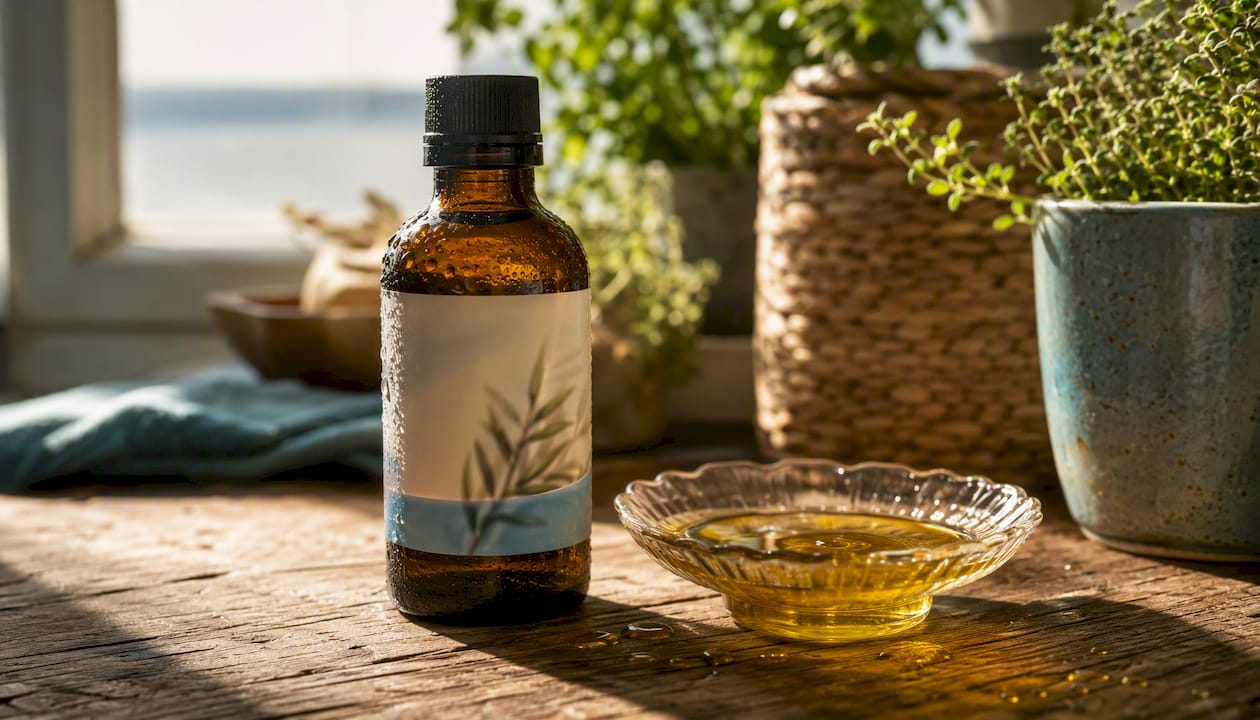
Nutritional quality data for industrial hemp seed confirms that γ-tocopherol is the dominant tocopherol isomer, with α-tocopherol present at lower levels. This matters analytically because γ-tocopherol has different antioxidant kinetics than α-tocopherol and is not captured by standard vitamin E activity calculations that weight α-tocopherol preferentially. Phytosterols in hemp seed oil are led by β-sitosterol, with campesterol and stigmasterol also present. β-Sitosterol is the most abundant sterol in most reported analyses.
| Component | Typical range (per 100 g oil) | Notes |
|---|---|---|
| Linoleic acid (omega-6) | 50 g | Dominant PUFA; varies by cultivar |
| α-Linolenic acid (omega-3) | 15–25 g | Second most abundant PUFA |
| γ-Tocopherol | 80 mg | Dominant tocopherol isomer |
| α-Tocopherol | 5–10 mg | Present but lower than γ form |
| β-Sitosterol | 190 mg | Most abundant phytosterol |
| Campesterol | 50–80 mg | Second phytosterol |
Statistic callout: Whole hemp seed typically contains approximately 25–35% oil, 20–25% protein, and 20–30% fiber on a dry-weight basis, with the oil fraction carrying the bulk of tocopherols and phytosterols. Omics-based profiling shows these ranges shift meaningfully across genotypes and growing environments.
For more on how the omega fatty acid profile translates to nutritional applications, hemp omega fatty acids and their role in health provides a practical overview.
Pro Tip: Store hemp seed oil under nitrogen headspace at 4°C and away from light. PUFAs oxidize rapidly, and γ-tocopherol, while a natural antioxidant, cannot fully protect the oil under prolonged ambient storage. Peroxide value and p-anisidine value testing at receipt and at defined intervals is the minimum QC standard for any formulation using hemp seed oil.
Hemp seed proteins and bioactive peptides: what researchers need to know
Hemp seed protein content typically falls in the 20–25% range on a dry-weight basis, with edestin (a legumin-type globulin) and albumin as the two major storage proteins. Edestin is the major storage protein in hemp seed, constituting a substantial portion of total seed protein, making it the dominant fraction in most isolates. Whole seeds, defatted meal, and protein isolates each offer different starting points for peptide work, with isolates providing the highest protein concentration but sometimes losing bioactive peptide precursors during alkaline extraction.
Enzymatic hydrolysis is the standard route to bioactive peptide fractions. Enzymatic hydrolysis using proteases such as alcalase and flavourzyme is commonly employed to generate bioactive hemp seed peptides, often applied sequentially to maximize low-molecular-weight peptide yield. Hemp seed protein hydrolysates have demonstrated anti-inflammatory and neuroprotective activities in certain cell-based models, though most evidence remains at the in vitro stage.
- Edestin: hexameric globulin; major storage protein; good source of essential amino acids including arginine
- Albumin: water-soluble fraction; smaller molecular weight; contributes to early-eluting peptide fractions
- Alcalase hydrolysates: generate peptides in the 1–5 kDa range; most studied for antioxidant and ACE-inhibitory activity
- Flavourzyme hydrolysates: produce shorter peptides; often combined with alcalase for broader coverage
- Reported in vitro activities: antioxidant (DPPH, ABTS), ACE inhibition, anti-inflammatory (cytokine suppression in macrophage models)
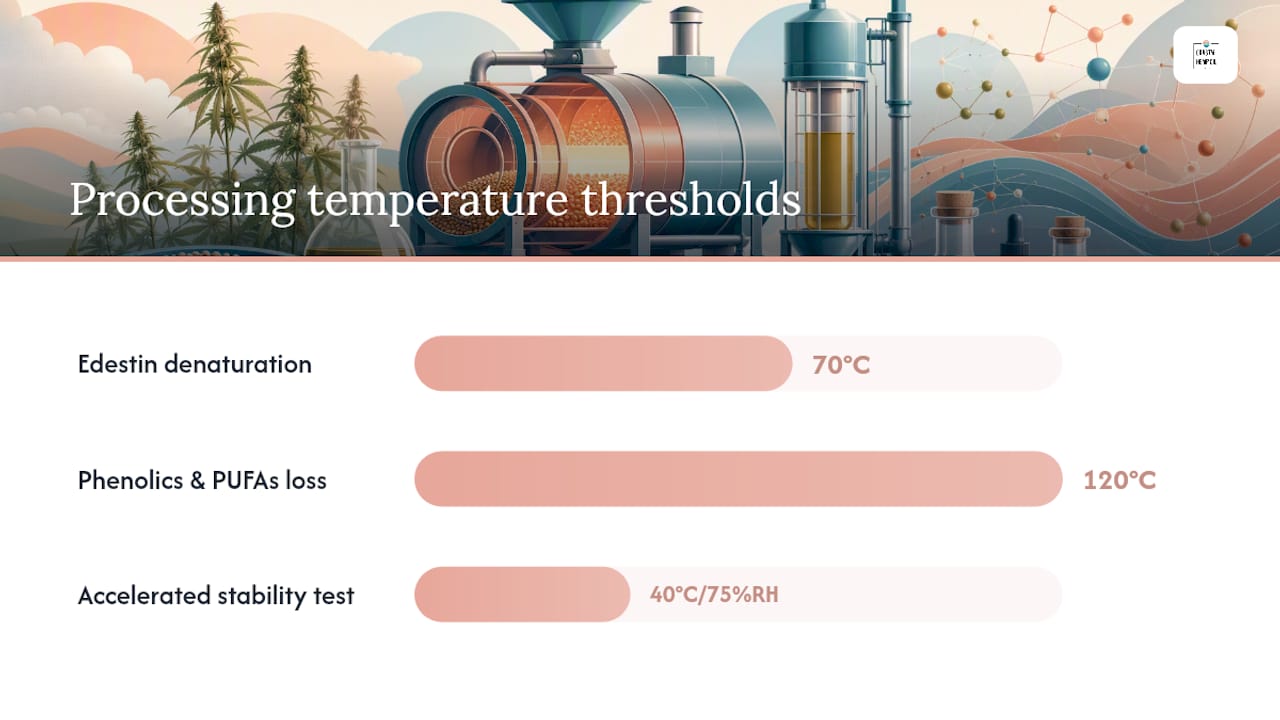
Processing methods and hemp protein functionality identify poor solubility and limited emulsifying capacity as the main bottlenecks for functional food use. Alkaline extraction at high pH improves yield but can reduce peptide bioactivity; isoelectric precipitation then re-solubilization is a common compromise. Thermal processing above 70°C denatures edestin and reduces emulsification performance, which matters for beverage applications.
Pro Tip: Use SDS-PAGE to confirm hydrolysis completeness before bioactivity assays. A persistent high-molecular-weight band above 50 kDa after alcalase treatment usually means incomplete digestion, which inflates apparent peptide yields and confounds dose-response relationships in cell models. Follow with LC-MS peptide mapping to identify the active sequences before scaling up.
Volatile compounds and terpenes in hemp: what to measure and why
Terpenes and volatile organics in hemp are most abundant in inflorescences, where glandular trichomes produce the characteristic aromatic profile. In seeds, volatile content is lower, but it is not negligible, and it becomes analytically relevant when evaluating sensory quality, functional coatings, or the aromatic impact of roasting.
The most commonly reported terpenes in hemp essential oil and inflorescence extracts include (E)-caryophyllene, α-humulene, caryophyllene oxide, β-myrcene, and d-limonene. (E)-caryophyllene is notable because it acts as a CB2 receptor agonist, giving it a mechanistic rationale beyond simple aroma. α-Humulene shares a biosynthetic origin with caryophyllene and often co-occurs in similar ratios. For a deeper look at how terpene profiles shape wellness outcomes, hemp terpene profiling for wellness results is a useful reference.
Roasting shifts the volatile profile substantially. Raw seeds show a relatively flat volatile fingerprint dominated by aldehydes and alcohols from lipid oxidation. Roasting at temperatures above 150°C generates Maillard-derived pyrazines and furans that mask terpene signals and create the characteristic nutty aroma. This means volatile data from roasted seed products cannot be compared directly to raw seed profiles without accounting for the thermal transformation.
HS-SPME GC-MS sampling checklist
- Equilibrate the sample at 40°C for 20 minutes in a sealed headspace vial before SPME fiber exposure
- Use a DVB/CAR/PDMS fiber for broad-spectrum volatile capture (C3–C15 range)
- Expose fiber for 30 minutes at 40°C; desorb at 250°C in the GC injector
- Run a blank (empty vial, same conditions) at the start of each sequence to detect fiber carryover
- Use an internal standard (e.g., d8-toluene or a C10 alkane) added to the vial before sealing
- Confirm terpene identities against NIST library matches AND authentic standards where available
- Avoid plastic vials: terpenes adsorb to polypropylene and give falsely low recoveries
- Process samples within 24 hours of grinding; terpene loss from ground seed is rapid at room temperature
- Report results as µg/g dry weight with the fiber type and extraction conditions stated explicitly
What biological activities do hemp seed bioactives show in the lab?
The in vitro evidence for hemp seed bioactives covers four main activity categories: antioxidant, anti-inflammatory, neuroprotective, and antimicrobial. The evidence base is coherent but largely preclinical, and the gap between cell-model findings and clinical outcomes is wide.
Antioxidant activity is the most consistently reproduced finding across labs. DPPH, ABTS, and FRAP assays all show meaningful radical-scavenging and reducing capacity for hemp seed phenolic extracts, with lignanamides and HCAAs driving most of the signal. Cannabisin A and N-trans-caffeoyltyramine consistently rank among the most active individual compounds in these assays. Tocopherols in the oil fraction contribute additional antioxidant capacity through a different mechanism (chain-breaking peroxyl radical scavenging) that DPPH assays do not fully capture.
Anti-inflammatory activity has been demonstrated primarily in LPS-stimulated macrophage and microglial cell models, where hemp seed phenolic fractions suppress pro-inflammatory cytokine release (TNF-α, IL-6, IL-1β). Peptide hydrolysates from alcalase digestion have shown similar suppression in some macrophage models. The concentrations required in these assays are often higher than what would be achievable through dietary intake alone, which is a meaningful limitation.
Statistic callout: Among hemp seed phenolics, lignanamides and HCAAs such as cannabisin A/B and N-trans-caffeoyltyramine consistently demonstrate potent antioxidant activity in various assays Comprehensive phenolic profiling confirms these as the dominant bioactive markers in seed phenolic fractions.
- Antioxidant: DPPH, ABTS, FRAP — well-reproduced; lignanamides and HCAAs are primary contributors
- Anti-inflammatory: LPS-stimulated cytokine assays (RAW 264.7 macrophages, BV-2 microglia) — promising but concentration-dependent
- Neuroprotective: microglial assays and oxidative stress models — early-stage; peptide hydrolysates and phenolics both implicated
- Antimicrobial: disk diffusion and MIC assays against gram-positive bacteria — activity reported but variable across studies
- Anti-diabetic/anti-obesity: α-glucosidase and lipase inhibition assays — reported for phenolic fractions; limited mechanistic depth
Evidence hierarchy and gaps: most published data sits at the in vitro level. A small number of animal studies exist for antioxidant and anti-inflammatory endpoints, but controlled human clinical trials on hemp seed bioactives specifically are scarce. Bioavailability data, which would tell you how much of the in vitro-active compound actually reaches target tissues after oral ingestion, is largely absent from the literature. This is the single most important gap for translating cell-model findings into product claims.
How do you extract and identify hemp seed bioactives in the lab?
A structured extraction workflow prevents the most common analytical errors: lipid contamination of phenolic fractions, incomplete recovery of polar compounds, and poor MS ionization from matrix effects. The steps below reflect current best practice in the literature.
Pre-treatment
- Dehull seeds mechanically and separate hull from kernel by density or sieving
- Defat the hull or whole-seed powder with hexane (3 × 10 mL per gram, room temperature, 30 min each) or cold-press the kernel for oil collection
- Dry the defatted residue under nitrogen at room temperature; avoid heat to prevent phenolic degradation
- Confirm defatting completeness by gravimetric oil yield; residual oil above 2% will interfere with polar extraction
Solvent selection and extraction
- Phenolics (lignanamides, HCAAs, flavonoids): 70–80% aqueous methanol, 3 × 30 min sonication or 2 h maceration at room temperature; filter through 0.22 µm PTFE before HPLC injection
- Oil-phase bioactives (PUFAs, tocopherols, phytosterols): hexane or supercritical CO₂ extraction; saponification before tocopherol/sterol GC analysis if needed
- Peptides: aqueous buffer (pH 7–8) after enzymatic hydrolysis; ultrafiltration to select MW fractions
HPLC-DAD/ESI-MS/MS settings
- Column: C18, 2.6 µm particle size, 100 × 2.1 mm; column temperature 40°C
- Mobile phase A: 0.1% formic acid in water; mobile phase B: 0.1% formic acid in acetonitrile
- Gradient: 5–95% B over 20 min; flow rate 0.3 mL/min
- DAD detection: 280 nm (phenolics), 310–330 nm (cinnamoyl compounds), 370 nm (flavonols)
- ESI-MS: negative-ion mode for phenolics; positive-ion mode for tocopherols and sterols
- MS/MS: collision energy 20–40 eV; confirm with at least two product ions per compound
Mixture-design optimization
Simplex-lattice mixture designs have been applied in the literature to optimize solvent composition (e.g., methanol:water:ethanol ratios) for maximum phenolic yield and antioxidant activity simultaneously. This approach is more efficient than one-variable-at-a-time optimization and produces response surfaces that identify the solvent blend giving the best combined recovery. Response variables typically include total phenolic content (Folin-Ciocalteu), DPPH IC₅₀, and individual lignanamide peak areas from HPLC.
- Document every extraction variable (solvent ratio, time, temperature, solid-to-liquid ratio) in a standardized extraction record
- Run a certified reference material or in-house QC extract with every batch to track inter-day variability
- Report results on both a fresh-weight and dry-weight basis; moisture content differences between labs are a major source of apparent discrepancy
How processing and formulation affect hemp seed bioactive stability
Getting a bioactive compound out of the seed matrix is only half the problem. Keeping it active through processing, storage, and digestion is where most formulation projects encounter real friction.
Thermal degradation is the primary risk for phenolics and PUFAs. Lignanamides and HCAAs are relatively heat-stable compared to simple flavonoids, but prolonged exposure above 120°C causes measurable losses. PUFAs oxidize rapidly at elevated temperatures, and γ-tocopherol, while protective, is consumed in the process. Protein denaturation above 70°C reduces edestin’s emulsification capacity, which matters for beverage and emulsified food applications. Processing constraints on hemp protein functionality identify this as a key bottleneck for functional food development.
Photolytic and oxidative degradation affect the oil fraction most acutely. Hemp seed oil stored in clear glass under ambient light shows measurable tocopherol loss within weeks. Nitrogen flushing, amber packaging, and refrigeration are standard mitigation strategies.
Formulation strategies to improve bioavailability and stability:
- Encapsulation: spray-drying with maltodextrin or whey protein carriers protects phenolics and PUFAs from oxidation and improves dispersibility in aqueous systems
- Nanoemulsions: oil-in-water nanoemulsions (droplet size below 200 nm) improve oral bioavailability of lipophilic tocopherols and phytosterols by increasing surface area for intestinal absorption
- Protein/biopolymer carriers: edestin-based nanoparticles or alginate beads can protect peptide fractions through simulated gastric digestion
- Enzymatic hydrolysates: pre-digesting proteins with alcalase before formulation bypasses the solubility problem and delivers smaller, more bioavailable peptide fragments
Dehulling and defatting change extractability in ways that matter for product developers. Defatted cake typically yields higher phenolic concentrations per gram than whole seed, but the absolute antioxidant activity per serving depends on how much cake is incorporated. Stability studies under accelerated conditions (40°C/75% RH, 12 weeks) are the minimum standard before making shelf-life claims.
Pro Tip: Design your bioaccessibility assay before finalizing your formulation, not after. A static in vitro digestion model (INFOGEST protocol) run on your encapsulated extract at the prototype stage will tell you whether your carrier system is actually releasing the bioactive in the simulated small intestine, saving months of reformulation later.
U.S. regulatory and safety considerations for hemp seed ingredients
For product developers working in the United States, the regulatory picture for hemp seed ingredients is clearer than for cannabinoid-containing hemp extracts, but it still requires careful attention to scope and contamination control.
The FDA reviewed GRAS notices for three hemp seed-derived ingredients and raised no questions: hulled hemp seed (GRN765), hemp seed protein powder (GRN771), and hemp seed oil (GRN778). The FDA’s GRAS response makes clear that these conclusions apply specifically to the seed-derived ingredients under the intended conditions of use described in each notice. They do not constitute blanket approval for all hemp-derived ingredients, and they explicitly do not change the FDA’s position that adding CBD or THC to human food remains impermissible under current federal food law.
Seeds do not biosynthesize cannabinoids. The mechanistic explanation is that cannabinoid biosynthesis occurs in glandular trichomes on aerial plant parts (leaves, flowers, bracts), which seeds lack. Detected THC or CBD in seed products reflects contact contamination during harvesting and processing, when trichome-bearing plant material contacts the seeds. Understanding hemp vs. marijuana differences at the botanical level helps contextualize why this contamination pathway exists even in compliant industrial hemp operations.
Statistic callout: When adequately processed and cleaned, hemp seeds contain minimal cannabinoids unlikely to cause positive drug tests, though contamination from poor cleaning can increase THC levels Post-harvest contamination is the primary source of detectable cannabinoids in commercial seed products.
Key regulatory and safety points for U.S. formulators:
- GRAS scope: GRN765 (hulled seed), GRN771 (protein powder), GRN778 (oil) — each has specific intended use conditions; confirm your application falls within the described use levels
- CBD/THC in food: FDA has not authorized adding CBD or THC to human food; GRAS status for seed ingredients does not extend to cannabinoid-enriched products
- Drug test risk: trace cannabinoid contamination in seed products is real; high-consumption scenarios (e.g., hemp protein powder as a primary protein source) may produce detectable urinary THC metabolites in sensitive tests
- Labeling: hemp seed oil, hemp seed protein, and hulled hemp seed must be labeled by their specific ingredient name; “hemp extract” is not an equivalent label for seed-derived ingredients
- Specification limits: set internal THC/CBD limits for incoming seed ingredients and test each lot by validated HPLC or LC-MS/MS methods; a specification of ≤10 ppm total cannabinoids is a common industry starting point
Pro Tip: Request a certificate of analysis with every seed ingredient lot showing cannabinoid content by LC-MS/MS, not just immunoassay strips. Immunoassay methods cross-react with structurally similar compounds and can give false positives or false negatives for THC at the trace levels relevant to seed products. LC-MS/MS with a validated method is the only defensible QC approach for regulatory purposes.
Practical implications for U.S. hemp seed product development
Translating the analytical science into a product development roadmap requires matching the right seed fraction to the right application goal, then building the QC infrastructure to keep the product consistent batch to batch.
Fraction-to-application matching:
- Antioxidant-boosted bakery or snack products: incorporate defatted seed cake extract standardized to lignanamide content by HPLC; hull-enriched fractions give the highest phenolic density per gram of ingredient
- Protein bars and meal replacements: use hemp seed protein isolate (edestin-rich); address solubility by selecting isolates processed at near-neutral pH to minimize denaturation
- Emulsified beverages: hemp seed oil at 2–5% inclusion provides PUFA enrichment and a favorable tocopherol contribution; pair with a lecithin or saponin emulsifier to compensate for edestin’s limited emulsification at typical use levels
- Nutraceutical capsules or softgels: cold-pressed oil encapsulated in gelatin or HPMC softgels is the most stable delivery format for tocopherols and phytosterols; hemp capsule formats provide a consumer-facing reference point
GRAS-aligned R&D checklist:
- Confirm ingredient identity matches one of the three GRAS-notified forms (hulled seed, protein powder, oil)
- Document intended use level and food category; verify it falls within the GRAS notice’s described conditions
- Run stability studies at accelerated conditions before launch; include tocopherol and phenolic content as stability-indicating assays
- Conduct bioaccessibility testing (INFOGEST or equivalent) for any bioactivity claim
- Maintain batch-specific HPLC-MS fingerprints and cannabinoid test results in your specification file
Metabolomic variability across hemp accessions means that supplier-switching without re-qualification is a real risk. Hub metabolites like chrysoeriol and kaempferol can shift substantially between cultivars, changing the antioxidant profile of what appears to be the same ingredient on paper.
Pro Tip: Partner with an ISO 17025-accredited laboratory for HPLC-MS fingerprinting of each new seed lot and require suppliers to provide cultivar documentation alongside their certificate of analysis. A fingerprint comparison between your reference lot and incoming material catches compositional drift before it reaches your product.
What the science actually means for hemp product development
The analytical literature on hemp seed bioactives has matured considerably, but there is a gap between what researchers can measure and what the industry consistently delivers. Most published composition data comes from a handful of well-characterized cultivars under controlled conditions. Commercial seed lots, by contrast, reflect the full range of genotype-by-environment variability that metabolomic studies keep documenting. A phenolic profile that looks impressive in a peer-reviewed paper may look quite different in a production-scale ingredient lot from a different growing region or season.
The practical implication is that batch-specific testing is not optional for serious product development. A single literature reference value for cannabisin A content in hemp seed hull is not a substitute for an HPLC-MS fingerprint of your actual incoming material. The same logic applies to tocopherol content in hemp seed oil: γ-tocopherol dominance is consistent across the literature, but the absolute concentration varies enough between cultivars and processing methods to matter for antioxidant label claims.
The FDA GRAS framework for hemp seed ingredients is genuinely useful, and it is worth noting that it covers the three most commercially relevant forms: hulled seed, protein powder, and oil. What it does not do is validate bioactivity claims, authorize cannabinoid addition, or remove the need for lot-specific cannabinoid testing. Treating GRAS status as a blanket green light is a regulatory misstep that still appears in product development conversations more often than it should.
Where the field is heading is toward multi-omics integration: combining metabolomics, lipidomics, and transcriptomics to build predictive models of how cultivar and environment shape bioactive profiles. That is the right direction, and it will eventually give formulators the tools to specify seed ingredients with the same precision they apply to other botanical extracts. The gap between that future and current practice is still significant.
Coastalhemp carries tested hemp products worth exploring

The science behind hemp seed bioactives points to one consistent conclusion: quality and testing are what separate a meaningful product from a generic one. Coastalhemp sources from vetted brands and growers who prioritize exactly that, offering a curated selection of hemp-derived edibles and functional products that reflect real attention to ingredient quality and formulation.
For consumers and researchers who want to experience the range of what well-formulated hemp products can do, Coastalhemp’s lineup covers the spectrum. The Enjoyable Neuro Enhancer Gummies are a standout for those interested in cognitive-targeted hemp formulations. The Jelly THCA Live Sugar Blend Gummies 3-Pack Bundle illustrates how potency and formulation precision come together in a single product. Functional mushroom formats like FLOAT Mushroom Hard Candy and FLOAT Mushroom Lollipops show the brand’s range beyond cannabinoid-only products. For sleep support, Enjoy Sleep Gummies THC + CBN and NTRL Eclipse 25mg Delta-9 Gummies offer targeted formulations with clear ingredient labeling. The Celestial Wellness THCv Gummies 200mg and Trippy Sugar THCa Diamonds 2G round out the selection for those looking at specific cannabinoid profiles. Browse the full hemp-derived THC edibles collection to find the format that fits your needs, or visit Coastalhemp to explore the complete catalog.
Key Takeaways
Hemp seed bioactive compounds are dominated by phenylpropionamides in the phenolic fraction and γ-tocopherol plus PUFAs in the oil fraction, with FDA GRAS status covering hulled seed, protein powder, and oil under specific conditions of use.
Sources
The following peer-reviewed papers and regulatory sources underpin the methods, composition ranges, and regulatory facts in this article.
- Comprehensive review on cannabis seed phenolic compounds from extraction to functional applications | Journal of Cannabis Research | Springer Nature Link
- FDA Responds to Three GRAS Notices for Hemp Seed-Derived Ingredients for Use in Human Food | FDA
- Hemp seeds: Nutritional value, associated bioactivities and the potential food applications in the Colombian context
- Nutrients and Bioactive Compounds from Cannabis sativa Seeds: A Review Focused on Omics-Based Investigations
- The Seed of Industrial Hemp (Cannabis sativa L.): Nutritional Quality and Potential Functionality for Human Health and Nutrition
FAQ
What bioactive compounds are in hemp seeds?
Hemp seeds contain phenylpropionamides (lignanamides like cannabisin A/B and HCAAs like N-trans-caffeoyltyramine), flavonoids (quercetin, apigenin, rutin), oil-phase bioactives (PUFAs, γ-tocopherol, β-sitosterol), storage proteins (edestin, albumin), and volatile terpenes. Phenylpropionamides are the dominant phenolic class, concentrated in the hull and defatted cake.
Can hemp seeds fail a drug test?
Hemp seeds do not biosynthesize cannabinoids, but trace THC from post-harvest contamination can appear in seed products. High consumption of hemp seed protein powder or oil from inadequately cleaned lots may produce detectable urinary THC metabolites in sensitive drug tests; lot-specific LC-MS/MS testing is the reliable way to assess contamination levels.
What is the downside of hemp protein powder?
Hemp seed protein has poor solubility and limited emulsifying capacity compared to whey or soy protein, which restricts its use in beverages and emulsified foods without targeted processing. Processing methods research identifies these functional limitations as the primary bottleneck for hemp protein in food applications.
Who should not take hemp protein powder?
People with known allergies to Cannabis sativa or related plant proteins should avoid hemp protein powder. Anyone subject to drug testing with a zero-tolerance THC policy should verify cannabinoid content by LC-MS/MS before regular consumption, given the contamination risk from processing.
What does FDA GRAS status mean for hemp seed ingredients?
The FDA raised no questions for hulled hemp seed (GRN765), hemp seed protein powder (GRN771), and hemp seed oil (GRN778) under their stated conditions of use. GRAS status means the ingredient is generally recognized as safe for its intended food use, but it does not authorize adding CBD or THC to food products, which remains a separate and unresolved regulatory issue.


Comments