

Hemp Omega Fatty Acids: Role in Health and Nutrition
Hemp omega fatty acids are defined as the essential polyunsaturated fatty acids (PUFAs) found in hemp seeds, primarily omega-6 linoleic acid (LA) and omega-3 alpha-linolenic acid (ALA). These compounds support brain development, regulate inflammation, maintain cellular membrane integrity, and drive metabolic function. What sets hemp apart from most plant foods is its omega-6 to omega-3 ratio of roughly 3:1, which closely mirrors the range considered optimal for human physiology. Understanding the hemp omega fatty acids role means understanding why this plant has earned serious attention from nutrition researchers and wellness-focused consumers alike.
What is the nutritional profile of hemp omega fatty acids?
Hemp seeds contain 30–35% fat by weight, with 85–90% of that fat coming from unsaturated fatty acids. That concentration is unusually high for a whole food. Most of the fat breaks down into linoleic acid (omega-6) and alpha-linolenic acid (omega-3), with smaller amounts of gamma-linolenic acid (GLA) and stearidonic acid rounding out the profile.
The omega-6 to omega-3 ratio in hemp oil sits at approximately 3:1 to 3.5:1. That range aligns with the physiological ideal for humans, which nutrition science places between 1:2 and 4:1. Most Western diets run closer to 15:1 or higher, which drives chronic low-grade inflammation. Hemp’s naturally balanced ratio makes it one of the few whole food sources that can help correct that imbalance without supplementation overload.
Linoleic acid supports cell membrane synthesis and repair, making it critical for skin barrier function, hormone signaling, and tissue regeneration. Alpha-linolenic acid serves as a metabolic precursor to EPA and DHA, the longer-chain omega-3s most associated with anti-inflammatory and neuroprotective effects. The body converts ALA to EPA and DHA at a limited rate, so dietary volume matters.
Hemp seed oil also contains tocopherols at 84.35 mg per 100g, which act as natural antioxidants that protect the polyunsaturated fats from oxidation. That antioxidant content reinforces the oil’s shelf stability and its value as a daily dietary fat.
| Fatty acid | Type | Approximate % in hemp oil | Key function |
|---|---|---|---|
| Linoleic acid (LA) | Omega-6 | 55–60% | Cell membrane synthesis, hormone production |
| Alpha-linolenic acid (ALA) | Omega-3 | 15–25% | Precursor to EPA and DHA, anti-inflammatory |
| Gamma-linolenic acid (GLA) | Omega-6 | 1–4% | Anti-inflammatory, arthritis support |
| Oleic acid | Omega-9 | 10–15% | Cardiovascular support, skin health |
Pro Tip: If your diet already includes high amounts of sunflower oil, corn oil, or processed snacks, your omega-6 intake is likely already elevated. Adding hemp oil works best when you simultaneously reduce those other omega-6 sources to keep the ratio in a healthy range.
How do hemp omega fatty acids support health?
The health benefits of hemp oil fatty acids operate through several distinct biological pathways. The most well-documented involve inflammation control, brain function, and metabolic regulation.

A 4-week randomized, double-blind clinical trial with 30 adults showed that hemp product consumption significantly increased circulating levels of ALA, GLA, DGLA, and EPA. That result confirms that the fatty acids in hemp seeds are bioavailable and do enter systemic circulation. The trial did not find significant changes in serum lipids or blood pressure, which suggests the cardiovascular effects may require longer intervention periods or higher doses.
GLA is the standout compound in hemp’s omega profile. GLA is rare in typical diets and provides anti-inflammatory benefits that show particular promise for conditions like osteoarthritis and rheumatoid arthritis. Unlike most omega-6 fatty acids, GLA does not convert to pro-inflammatory arachidonic acid at high rates. That makes it a functionally different compound from standard dietary omega-6 sources.
Preclinical studies show hempseed can improve lipid profiles and reduce oxidative stress, though the researchers caution that animal model results do not always translate directly to humans. The cardiovascular and neuroprotective potential is real, but human clinical data remains limited. More long-term trials are needed before firm clinical claims can be made.
Key health areas supported by omega fatty acids in hemp:
- Brain function: ALA metabolizes into EPA and DHA, which support neuronal membrane fluidity and cognitive performance
- Inflammation regulation: GLA and ALA both reduce pro-inflammatory signaling, with GLA acting through the DGLA pathway
- Skin health: Linoleic acid maintains the epidermal barrier, reducing transepidermal water loss and supporting conditions like eczema
- Metabolic support: Balanced omega ratios influence insulin sensitivity, lipid metabolism, and hormone synthesis
- Cardiovascular health: Preclinical evidence points to improved lipid profiles and reduced oxidative stress markers
- Arthritis symptom relief: GLA shows preliminary clinical promise for reducing joint inflammation and pain
Pro Tip: Hemp omega fatty acids work better when your overall diet is low in refined carbohydrates and trans fats. Those dietary factors independently drive inflammation, which can blunt the anti-inflammatory effects of GLA and ALA.
For a deeper look at how hemp compounds address inflammation specifically, the science behind hemp for inflammation covers the current research in detail.
How do processing methods affect hemp omega fatty acid quality?
The way hemp seeds are processed before you consume them directly affects how much of the omega fatty acid content you actually absorb. Three processing approaches produce meaningfully different outcomes: whole seeds, dehulled seeds, and germinated seeds.
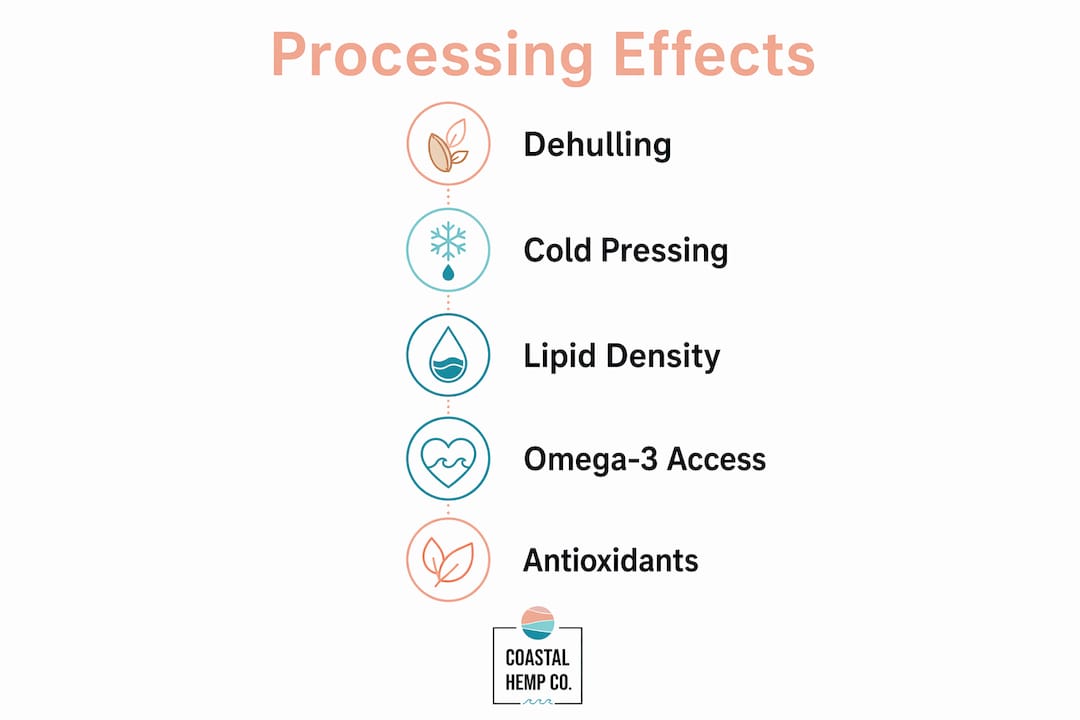
Dehulling increases lipid density by removing the fiber-rich outer hull, which concentrates the omega-3 content per gram of seed. Germination improves the bio-accessibility of omega-3 fatty acids by activating enzymes that break down anti-nutritional factors. Both methods make the fatty acids easier for the body to absorb compared to whole seeds.
Cold pressing preserves bioactive compounds in hemp seed oil better than other extraction methods, maintaining fatty acid stability and oxidation resistance. Supercritical CO2 extraction is more effective for producing medicinal concentrates, but it is not the preferred method for retaining the full nutritional fatty acid profile in food-grade oil. For daily nutrition use, cold-pressed hemp seed oil is the better choice.
| Processing method | Lipid density | Omega-3 bio-accessibility | Antioxidant retention | Best use |
|---|---|---|---|---|
| Whole seeds | Moderate | Lower | High | Whole food consumption |
| Dehulled seeds | High | Moderate | High | Daily nutrition, smoothies |
| Germinated seeds | Moderate | Highest | Moderate | Maximum omega-3 absorption |
| Cold-pressed oil | High | High | High | Cooking, supplementation |
| Supercritical CO2 extract | Very high | High | Moderate | Medicinal concentrates |
Hemp cultivar selection also matters. Specific hemp cultivars affect GLA content, meaning the therapeutic fatty acid profile varies by plant variety. Consumers seeking GLA for anti-inflammatory purposes should look for products that specify cultivar origin or standardized GLA content.
What practical steps help you add hemp omega acids to your diet?
Getting the omega fatty acids in hemp into your daily routine does not require a major dietary overhaul. The quantities needed to meet essential fatty acid requirements are modest and easy to work into existing meals.
Daily ALA requirements can be met with approximately 11g of dehulled hemp seeds or 18g of whole or germinated seeds. Meeting linoleic acid requirements takes more: roughly 35g of dehulled seeds or 52g of whole seeds per day. That translates to about 3–4 tablespoons of dehulled hemp hearts for ALA, and closer to 4–5 tablespoons for full LA coverage.
Practical ways to incorporate hemp omega acids into your diet:
- Add hemp hearts to oatmeal, yogurt, or smoothies for a neutral-flavored omega boost
- Use cold-pressed hemp seed oil as a salad dressing base or drizzle over cooked vegetables
- Blend hemp seeds into homemade energy bars or protein balls
- Stir hemp oil into hummus or dips as a finishing fat
- Combine hemp seeds with flaxseed or chia for a broader plant-based omega-3 profile
Hemp omega acids complement other plant-based omega-3 sources like flaxseed and chia seeds. Each source has a slightly different fatty acid profile, so rotating them provides broader nutritional coverage. Hemp’s unique GLA content is not found in flax or chia, which makes it a distinct addition rather than a simple substitute.
Quality and sourcing matter when selecting hemp products. Certifications like USDA Organic, third-party lab testing, and non-GMO verification signal that the product meets consistent standards. The hemp product certifications guide explains what each label actually means and which ones carry the most weight for nutritional products.
Pro Tip: Store hemp seed oil in a dark glass bottle in the refrigerator. Polyunsaturated fatty acids oxidize quickly when exposed to heat, light, or air. Rancid oil not only tastes bad but delivers oxidized fats that work against the anti-inflammatory benefits you are trying to get.
Key Takeaways
Hemp omega fatty acids deliver measurable health benefits through their uniquely balanced ratio of omega-6 to omega-3, their rare GLA content, and their bioavailability, which improves significantly with dehulling, germination, or cold-press extraction.
| Point | Details |
|---|---|
| Balanced omega ratio | Hemp’s 3:1 omega-6 to omega-3 ratio closely matches human physiological needs. |
| GLA is rare and valuable | Hemp is one of the few food sources of GLA, which reduces inflammation without raising arachidonic acid. |
| Processing changes bioavailability | Dehulled seeds and cold-pressed oil deliver more accessible omega fatty acids than whole seeds. |
| Daily amounts are achievable | About 11g of dehulled hemp seeds meets daily ALA requirements for most adults. |
| Clinical evidence is promising but early | A 4-week trial confirmed fatty acid absorption, but long-term cardiovascular and cognitive data is still developing. |
Why I think hemp omega fatty acids are underrated in nutrition conversations
Most omega-3 discussions start and end with fish oil. That framing leaves hemp’s fatty acid profile largely ignored, which is a real gap in how people think about plant-based nutrition.
What I find most compelling about hemp is the GLA content. You will not find GLA in flaxseed, chia, or walnuts. It is a structurally different omega-6 that behaves more like an anti-inflammatory compound than a pro-inflammatory one. For people dealing with chronic joint discomfort or skin conditions, that distinction matters more than the total omega-3 count.
The clinical trial data from 2026 confirming increased circulating ALA, GLA, DGLA, and EPA after hemp consumption is genuinely significant. It answers the bioavailability question that skeptics have raised for years. The fatty acids get into the bloodstream. What the research still needs is longer follow-up periods to show what that absorption means for cardiovascular outcomes and cognitive health over months and years.
My practical advice: do not wait for a perfect clinical consensus before incorporating hemp seeds into your diet. The safety profile is excellent, the nutrient density is real, and the GLA content alone makes hemp a distinct addition to any plant-based wellness routine. Pair it with a diet that limits refined oils and processed foods, and the anti-inflammatory effects become much more noticeable.
— John
Coastalhemp products worth exploring for omega fatty acid support
Coastalhemp curates hemp products with a focus on quality sourcing and transparent formulation. For people looking to add hemp-derived compounds to their wellness routine, the product range covers multiple formats and use cases.

The Enjoyable Neuro Enhancer Gummies combine hemp-derived compounds designed to support cognitive clarity and daily wellness, making them a practical option for people who want the benefits of hemp in a convenient format. Coastalhemp also carries full-spectrum CBD oils and a range of hemp-infused edibles that reflect the brand’s commitment to quality and variety. Every product on the site is selected with the same standard: effective formulations from trusted growers, at prices that make consistent supplementation realistic.
FAQ
What are the main omega fatty acids found in hemp seeds?
Hemp seeds contain primarily linoleic acid (omega-6) and alpha-linolenic acid (omega-3), along with smaller amounts of gamma-linolenic acid (GLA). These three fatty acids account for the majority of hemp’s fat content and drive its nutritional benefits.
How much hemp seed do you need to eat daily for omega benefits?
Approximately 11g of dehulled hemp seeds meets daily ALA requirements for most adults, while meeting linoleic acid needs requires around 35g of dehulled seeds per day.
Is hemp oil better than fish oil for omega-3s?
Hemp oil provides ALA, which the body must convert to EPA and DHA at a limited rate, while fish oil delivers EPA and DHA directly. Hemp’s advantage is its GLA content and plant-based origin, making it a strong complement to fish oil rather than a direct replacement.
Does processing affect the omega fatty acid content of hemp products?
Yes. Dehulling and germination increase omega-3 bio-accessibility, and cold pressing preserves fatty acid stability better than other extraction methods. Whole seeds deliver fewer accessible omega fatty acids per gram than dehulled or processed forms.
Can hemp omega fatty acids help with inflammation?
Clinical and preclinical evidence supports the anti-inflammatory role of hemp’s GLA and ALA content. Hemp contains GLA, a rare omega-6 fatty acid with documented anti-inflammatory properties, particularly relevant for arthritis and skin conditions.


Comments