
What Are Hemp Capsules? Benefits, Uses, and Safety
Hemp capsules are softgel dietary supplements containing cold-pressed hemp seed oil extracted from Cannabis sativa seeds. They deliver a concentrated dose of essential fatty acids, vitamins, and minerals in a convenient, tasteless form. Hemp seed oil capsules do not contain psychoactive cannabinoids. There is no THC, no CBD, and no “high.” What you get instead is a nutritionally dense oil prized for its balanced fatty acid profile and general wellness support.
Here is what hemp capsules typically contain:
- Cold-pressed hemp seed oil as the primary ingredient
- Omega-3 (alpha-linolenic acid) and omega-6 (linoleic acid) fatty acids in a balanced ratio
- Gamma-linolenic acid (GLA), a beneficial omega-6 fatty acid
- Vitamin E, magnesium, zinc, and amino acids including edestin and albumin
- A softgel or gelatin capsule shell to protect the oil from oxidation
They are used primarily for nutritional supplementation, with particular focus on cardiovascular health, skin condition support, and general wellness.
Table of Contents
- What do hemp capsules do for your health?
- What is actually inside a hemp capsule?
- How to take hemp capsules: dosage and daily use
- Are hemp capsules safe? Potential side effects and risks
- Hemp seed oil capsules vs. CBD oil: what is the real difference?
- How Coastalhemp approaches quality and consumer education
- Legal status of hemp capsules in the United States
- What does the science actually say?
- Who should avoid hemp capsules?
- Coastalhemp has what you need for hemp wellness
- FAQ
- Key Takeaways
What do hemp capsules do for your health?
The health case for hemp capsules rests almost entirely on their fatty acid profile. Hemp seed oil contains omega-3 and omega-6 fatty acids in a 3:1 ratio, which researchers consider close to optimal for human health. This balance matters because most Western diets skew heavily toward omega-6, often at ratios of 15:1 or higher, which can drive chronic inflammation.
Key benefits supported by current research include:
- Cardiovascular support: Randomized trials show that hemp product consumption increases plasma and red blood cell levels of EPA, GLA, and ALA without adverse cardiometabolic effects.
- Anti-inflammatory properties: The polyunsaturated fatty acids in hemp seed oil may help reduce systemic inflammation, a driver of conditions ranging from heart disease to skin disorders.
- Skin health: Preliminary studies indicate hemp seed oil can improve wound healing by reducing inflammation and supporting collagen formation.
- Antioxidant support: Hemp seed oil is a natural source of vitamin E, which helps protect cells from oxidative stress.
- Lipid profile improvement: Incorporating these fatty acids may improve cholesterol and triglyceride levels, though more large-scale human trials are needed to clarify this effect.
A note on the evidence: Current clinical research emphasizes that most supporting data comes from preclinical or short-term studies. Longer-term, large-scale human trials are needed to fully confirm cardiovascular and anti-inflammatory benefits.
What is actually inside a hemp capsule?
Understanding the composition of hemp capsules helps you evaluate what you are buying. The primary ingredient is hemp seed oil cold-pressed from Cannabis sativa seeds, a process that preserves the oil’s nutrient integrity without using heat or chemical solvents.
- Fatty acids: Hemp seed oil consists predominantly of polyunsaturated fatty acids, with linoleic acid (omega-6) and alpha-linolenic acid (omega-3) making up the majority.
- GLA: Gamma-linolenic acid is present in meaningful amounts, a rarer omega-6 fatty acid with documented anti-inflammatory properties.
- Proteins: Hemp seeds contain the proteins edestin and albumin, which provide all essential amino acids in ratios comparable to animal-based proteins.
- Micronutrients: Vitamin E (approximately 100 mg per 100 mL of oil), magnesium, and zinc contribute to the nutritional profile.
- No cannabinoids: Hemp seed oil capsules contain no THC or CBD. The seeds do not accumulate cannabinoids the way the plant’s flowers and leaves do.
- Capsule shell: Most products use a gelatin or plant-based softgel shell. The encapsulation helps slow oxidation, which is a real concern given how quickly polyunsaturated fats can turn rancid.
Pro Tip: Check the label for “Cannabis sativa seed oil” as the listed ingredient. That phrase confirms you are getting hemp seed oil, not a cannabinoid extract.
How to take hemp capsules: dosage and daily use
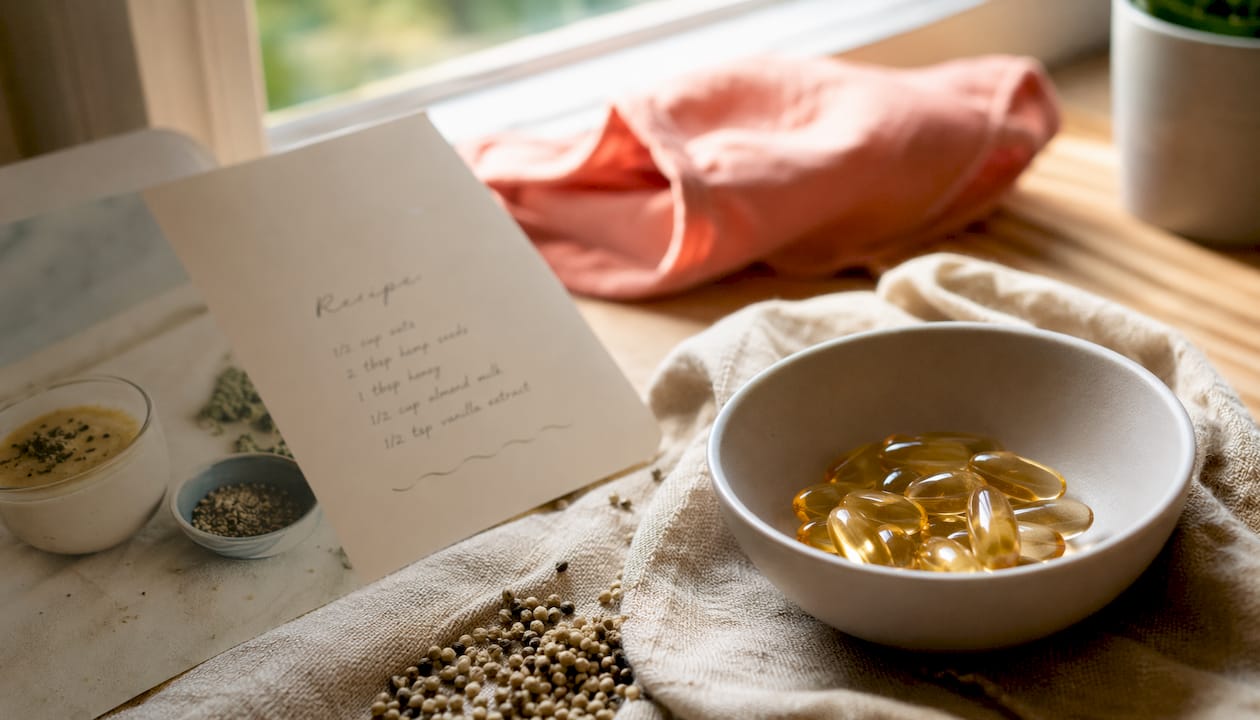
Hemp capsule dosage varies by product concentration, but a common starting point is 1–3 capsules daily, roughly equivalent to 1–2 tablespoons of hemp seed oil. Most manufacturers recommend taking capsules with a meal to support absorption of fat-soluble nutrients.
Practical guidelines for daily use:
- With food: Fat-soluble vitamins like vitamin E absorb better alongside dietary fat, so taking capsules with a meal makes nutritional sense.
- Consistency matters: The benefits of consistent hemp use accumulate over time. Daily supplementation for several weeks is generally needed before any noticeable changes in inflammatory markers or skin condition appear.
- Storage: Because hemp seed oil is highly unsaturated and prone to oxidation, capsules should be refrigerated after opening and kept away from direct light and heat.
- Medical consultation: Anyone taking blood thinners or blood pressure medications should speak with a physician before starting hemp capsules, given the potential for fatty acid interactions with those drug classes.
- Pregnancy and nursing: Consult a healthcare provider before use, as research on hemp supplementation during pregnancy is limited.
Are hemp capsules safe? Potential side effects and risks
Hemp seed oil capsules are generally well-tolerated, but a few safety considerations are worth knowing before you start.
- Mild digestive effects: Some people experience soft stools or mild nausea, particularly at higher doses. Starting with one capsule daily and increasing gradually tends to minimize this.
- Allergic reactions: Rare but possible, especially in individuals with known seed allergies.
- Drug interactions: Hemp seed oil may interact with anticoagulants (blood thinners) and antihypertensive medications. Medical consultation is advised if you take either.
- No psychoactive effects: Hemp seed oil capsules do not contain THC or CBD, so you will not experience intoxication.
- Supplement regulation: The FDA does not pre-approve dietary supplements for safety or efficacy. Third-party lab testing is the most reliable way to verify that a product contains what its label claims and is free of contaminants.
- Not a medical treatment: Hemp capsules are nutritional supplements. They are not a substitute for prescribed medications or medical care.
Hemp seed oil capsules vs. CBD oil: what is the real difference?
This is where consumer confusion runs deepest, and the distinction is straightforward once you understand the source. Hemp seed oil comes exclusively from the plant’s seeds. CBD oil is extracted from the leaves, flowers, and stalks, where cannabinoids concentrate.
| Feature | Hemp Seed Oil Capsules | CBD Oil Products |
|---|---|---|
| Source | Seeds only | Leaves, flowers, stalks |
| Cannabinoids | None | Contains cannabidiol (CBD) |
| Primary use | Nutritional supplement | Therapeutic (anxiety, pain, inflammation) |
| Psychoactive effects | None | None (CBD is non-intoxicating) |
| Label indicator | “Cannabis sativa seed oil” | “Cannabidiol” or “CBD isolate” |
Experts recommend verifying ingredient labels carefully. Products labeled “hemp oil” or “hemp extract” are sometimes CBD products, and sometimes they are pure seed oil with no cannabinoids at all. The only reliable way to know is to read the ingredient list, not the front-panel marketing copy. Mislabeling is a documented issue in the supplement market, making label literacy a practical skill for any hemp consumer.
How Coastalhemp approaches quality and consumer education
Coastalhemp partners with vetted growers and established brands to bring a curated selection of hemp products to health-conscious consumers. The focus is on transparency: clear ingredient labeling, honest product descriptions, and education that helps shoppers understand exactly what they are buying before they buy it.
The brand’s product range spans hemp seed oil supplements, cannabinoid blends, and specialty wellness products. That breadth reflects a deliberate philosophy: different consumers have different needs, and a single product category rarely covers all of them.
Coastalhemp’s commitment to third-party testing and quality assurance addresses one of the most persistent problems in the supplement industry: the gap between what a label says and what a product actually contains. For hemp consumers navigating a market still catching up on regulation, that verification layer is not optional.
Legal status of hemp capsules in the United States
Hemp seed oil capsules are federally legal in the United States. The 2018 Farm Bill legalized the cultivation and sale of industrial hemp and hemp-derived products, provided the plant contains less than 0.3% THC by dry weight. Hemp seed oil, which contains no cannabinoids at all, falls well within that threshold.
State laws generally align with federal standards for hemp seed oil products, though regulations around CBD and other cannabinoid extracts vary by state. For pure hemp seed oil capsules, legal status is not a practical concern for most consumers in the U.S. The products are widely available in health food stores, pharmacies, and online retailers.
What does the science actually say?
The scientific picture on hemp seed oil is promising but still developing. A review published in PMC notes that hempseed oil consists of more than 90% polyunsaturated fatty acids with established cardioprotective potential, including linoleic acid and alpha-linolenic acid. Preclinical evidence points to multiple mechanisms: improved lipid profiles, antihypertensive effects, reduced cholesterol absorption, and attenuated oxidative stress.
Clinical trials in humans are more limited. The Frontiers in Nutrition review concludes that while preclinical studies show real promise, the clinical evidence base remains limited and some studies report conflicting results. The honest summary: hemp seed oil capsules have a strong nutritional rationale and early positive signals, but they are not a clinically proven treatment for any specific condition.
Who should avoid hemp capsules?
Hemp seed oil capsules are safe for most adults, but certain groups should exercise caution or avoid them entirely:
- People on anticoagulants or blood pressure medications: The fatty acids in hemp seed oil can potentiate the effects of blood thinners like warfarin. Medical supervision is necessary.
- Those with seed allergies: Anyone with a known allergy to hemp or related seeds should avoid these products.
- Pregnant and breastfeeding individuals: Insufficient safety data exists for these populations. A physician’s guidance is warranted.
- People expecting drug-test sensitivity: While hemp seed oil contains no cannabinoids, trace contamination in lower-quality products is possible. Individuals subject to drug testing should choose products with verified third-party lab results.
- Children: Pediatric dosing for hemp seed oil supplements has not been established. Use in children should only occur under medical supervision.
Coastalhemp has what you need for hemp wellness
If you have been sorting through confusing labels and conflicting claims about hemp products, Coastalhemp cuts through the noise with a curated selection backed by real quality standards. The difference here is specificity: every product is sourced from trusted growers, clearly labeled, and supported by third-party testing so you know exactly what you are getting.
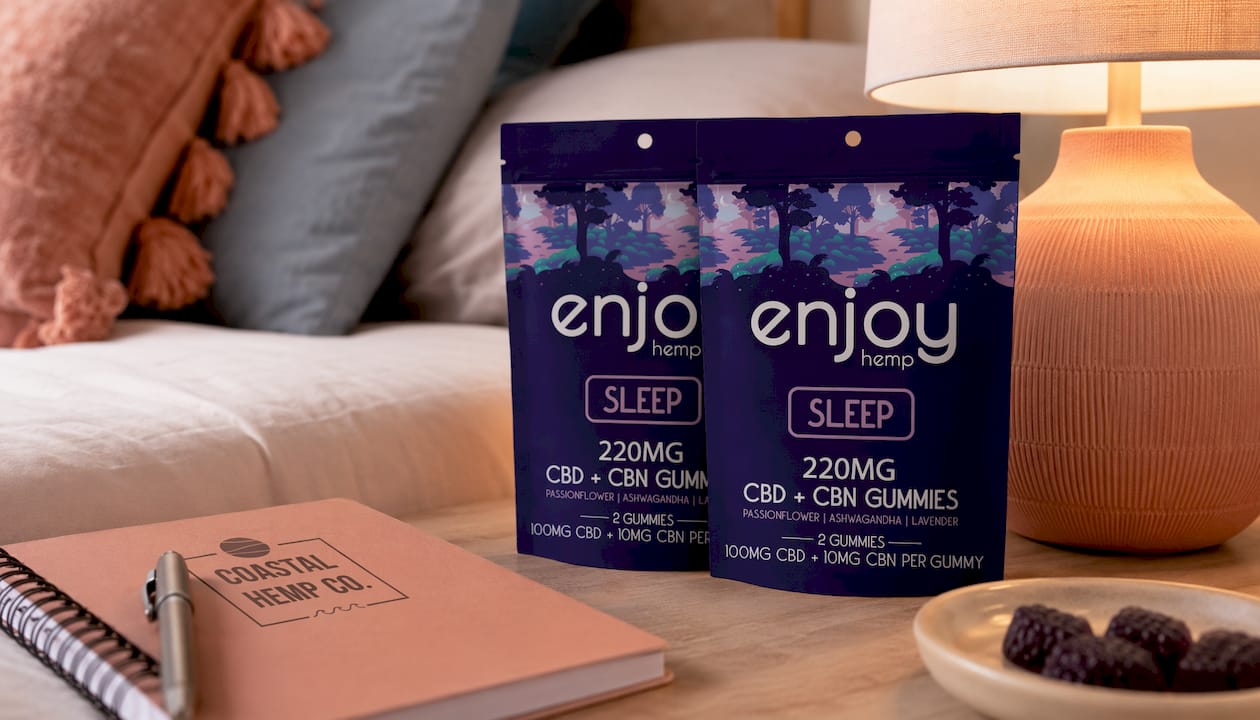
For consumers who want hemp seed oil’s nutritional benefits alongside targeted wellness support, Coastalhemp’s product range covers both. And for nights when recovery and rest are the priority, the Enjoy Sleep Gummies CBD+CBN 220 mg offer a precisely dosed cannabinoid blend designed for sleep support. Browse the full selection at coastalhemp.co and find the product that fits your actual wellness goals.
FAQ
Are hemp capsules good for you?
Hemp seed oil capsules provide essential fatty acids, vitamin E, and amino acids that support cardiovascular health, skin function, and general wellness. Clinical evidence is still developing, but the nutritional profile is well-established.
What is the downside of hemp?
Hemp seed oil capsules may interact with blood thinners and blood pressure medications, and the supplement industry lacks FDA pre-approval oversight. Choosing products with third-party lab verification reduces quality risk.
Who should not take hemp?
People on anticoagulants, those with seed allergies, pregnant or breastfeeding individuals, and children should avoid hemp capsules or consult a physician before use.
What does taking hemp do for you?
Hemp seed oil capsules deliver a concentrated source of omega-3 and omega-6 fatty acids in a 3:1 ratio, supporting anti-inflammatory pathways, lipid profiles, and skin health over consistent daily use.
Key Takeaways
Hemp seed oil capsules are a cannabinoid-free nutritional supplement delivering essential fatty acids, vitamin E, and amino acids that support cardiovascular health, skin function, and general wellness.
| Point | Details |
|---|---|
| No cannabinoids present | Hemp seed oil capsules contain no THC or CBD; benefits come from fatty acids and vitamins. |
| Optimal fatty acid ratio | The 3:1 omega-6 to omega-3 ratio in hemp seed oil is considered close to ideal for human health. |
| Evidence is promising but limited | Preclinical data is strong; large-scale human trials are still needed to confirm cardiovascular benefits. |
| Label literacy is critical | Look for “Cannabis sativa seed oil” on the ingredient list to confirm you are buying hemp seed oil, not CBD. |
| Coastalhemp for verified quality | Coastalhemp sources third-party tested hemp products with clear labeling to help consumers make informed choices. |


Comments