
Legal Hemp THC Alternative Types: What Buyers Need to Know
The most common legal hemp THC alternatives available in the U.S. today are CBD, CBN, CBG, THCA (unheated flower), hemp-derived delta-8, delta-10, HHC, and CBD-plus-terpene blends. The headline legal caveat: Pub. L. No. 119-37 redefines hemp using a total THC standard (not just delta-9) and sets a per-container ceiling for total THC in finished hemp-derived cannabinoid products, while explicitly excluding cannabinoids that are synthesized outside the plant. That single change reshapes which products are federally compliant right now.
Before you buy or travel with any hemp-derived product, three steps matter most:
- Check the Certificate of Analysis (COA): Confirm total THC on a dry-weight basis and total mg per container.
- Confirm per-container mg: Under the new federal standard, finished products must stay at or below the federal per-container ceiling for total THC.
- Avoid synthetically labeled cannabinoids: Products that disclose chemical conversion processes (isomerization, synthesis) may fall outside the federal hemp definition entirely.
Table of Contents
- What does “legal hemp THC alternative” actually mean in the U.S.?
- Which hemp cannabinoid alternatives exist and how do they differ?
- What safety risks should you know before using hemp products?
- How do you choose a safe, compliant hemp product?
- Key Takeaways
- Why transparency in hemp products matters more than ever
- Coastalhemp’s verified THCA products for compliant buyers
- Useful sources
- FAQ
What does “legal hemp THC alternative” actually mean in the U.S.?
The federal baseline is straightforward: hemp is cannabis that contains no more than 0.3% total THC on a dry-weight basis, as defined under 7 U.S.C. §1639o. What changed recently is which THC compounds count toward that threshold and what limits apply to finished products.
The 2018 Farm Bill originally focused on delta-9 THC concentration alone, which created a gap that allowed high-potency hemp-derived intoxicants to reach retail shelves legally. Pub. L. No. 119-37 closes that gap by moving to a total-THC calculation that includes THCA and delta-8 THC, not just delta-9. It also adds the 0.4 mg per-container ceiling for finished hemp-derived cannabinoid products and excludes cannabinoids that are synthesized or not naturally produced by the cannabis plant. CRS analysis confirms these changes and notes that enforcement timelines and FDA regulatory frameworks will shape how quickly the market adjusts.
State law adds another layer. Some states have already banned intoxicating hemp products outright. Others regulate them with their own potency or age-verification rules. A product that clears the federal standard may still be illegal in the state where you purchase or possess it. Always check your state’s current rules before buying, and check again before crossing state lines.
Pro Tip: Save your COA and purchase receipt together in a single folder on your phone. If you travel with any hemp product, those two documents are your clearest evidence of compliance with the federal standard.
Key state-level realities to keep in mind:
- Several states have enacted bans on delta-8, delta-10, and HHC products regardless of federal status.
- State hemp plans submitted to the USDA may impose stricter testing or labeling requirements than the federal baseline.
- Interstate transport of hemp products remains a gray area; possession laws in the destination state govern what you can legally carry.
Which hemp cannabinoid alternatives exist and how do they differ?
Hemp-derived cannabinoid alternatives span a wide range of psychoactivity, legal risk, and product formats. The comparison below covers the dimensions that matter most: how intoxicating each compound is, its source (naturally present in the plant vs. chemically converted), its federal legal status under the new total-THC standard, typical product forms, drug-test risk, and safety considerations. Cannabinoid pharmacology research confirms that many THC isomers share metabolic pathways with delta-9 THC, which has direct implications for drug testing.
| Cannabinoid | Psychoactivity | Federal status (post Pub. L. No. 119-37) | Source | Common product forms | Drug-test risk | Safety/testing notes |
|---|---|---|---|---|---|---|
| CBD | Non-intoxicating | Compliant if total THC ≤ 0.3% dry weight, ≤ 0.4 mg/container | Naturally present | Gummies, tinctures, capsules, topicals | Low (trace THC possible) | Well-studied; COA for potency and contaminants |
| CBG | Non-intoxicating | Compliant under same total-THC limits | Naturally present | Tinctures, capsules, flower | Very low | Emerging research; verify COA |
| CBN | Mildly sedating; non-intoxicating at typical doses | Compliant under same total-THC limits | Naturally present (oxidized THC) | Gummies, tinctures, sleep blends | Low | Limited clinical data; COA essential |
| THCA (unheated flower) | Non-intoxicating raw; converts to delta-9 when heated | Counts toward total THC; compliant if within limits | Naturally present | Flower, pre-rolls, concentrates | Moderate to high if smoked/vaped | Batch testing critical; heating changes legal status |
| Delta-8 THC | Mildly to moderately intoxicating | Counts toward total THC; synthesized versions likely excluded | Mostly converted from CBD | Gummies, vapes, tinctures | High | FDA warns about unregulated products and adverse events |
| Delta-10 THC | Mildly intoxicating | Counts toward total THC; synthesized versions likely excluded | Trace natural; mostly converted | Vapes, gummies | High | Minimal clinical data; high contamination risk |
| HHC | Moderately intoxicating | Likely excluded as synthesized | Synthesized (hydrogenation of THC) | Vapes, gummies | High | No established safety profile |
| THC-O | Strongly intoxicating | Excluded; not naturally produced by cannabis | Fully synthetic | Vapes, tinctures | High | No natural plant origin; high legal risk |
| CBD + terpene blends | Non-intoxicating | Compliant if CBD base meets total-THC limits | Naturally present | Tinctures, vapes, gummies | Very low | Terpene profiles vary; verify COA |
A few points worth unpacking from that table:
THCA flower is the most nuanced entry. Raw, unheated THCA is non-intoxicating, but it converts to delta-9 THC when smoked or vaped. Under the new total-THC standard, THCA counts toward the 0.3% threshold, so a flower product that passes a delta-9-only test may still fail a total-THC calculation. This is why per-container mg disclosure and post-decarboxylation testing on the COA matter so much for flower products.
Delta-8 and delta-10 are almost always produced through isomerization of CBD, a chemical conversion process. Under the NPR/regulatory reporting on the new framework, cannabinoids derived through synthesis or chemical conversion outside the plant are candidates for exclusion from the hemp definition. Products with COAs that disclose isomerization as the production method carry elevated legal risk.
HHC and THC-O are synthesized compounds with no meaningful natural presence in hemp. THC-O has no natural plant origin at all. Both are likely excluded under the current federal framework.
For dosing context: under the 0.4 mg per-container ceiling, a finished gummy pack or vape cartridge can only contain up to 0.4 milligrams total THC to remain federally compliant. Products marketed with high per-unit potency claims are almost certainly outside that limit and should be evaluated carefully against current state law.
What safety risks should you know before using hemp products?
The biggest safety risks in the hemp-derived cannabinoid market are mislabeled potency, residual solvents, heavy metals, pesticides, and undisclosed synthetic cannabinoids. Research on hemp product contamination confirms that COA verification is the most reliable consumer-level tool for identifying these problems.
What a COA should show
| COA field | What to look for |
|---|---|
| Total THC (dry-weight basis) | ≤ 0.3% for compliance; post-decarboxylation method preferred for flower |
| Total THC per container (mg) | No more than 0.4 mg under Pub. L. No. 119-37 for finished products |
| Cannabinoid profile | Lists all detected cannabinoids, including THCA, delta-8, delta-9 |
| Residual solvents | Should show “ND” (not detected) or below action limits |
| Heavy metals | Lead, arsenic, cadmium, mercury — all should be below action limits |
| Pesticides | Full panel preferred; “pass” or “ND” for listed compounds |
| Microbial results | Total yeast/mold, E. coli, Salmonella — all should pass |
| Batch/lot number | Must match the batch number printed on the product packaging |
| Lab accreditation | ISO/IEC 17025 or state-licensed lab; GLP compliance preferred |
Common red flags on packaging or in product claims:
- No COA available, or a COA with no QR code, URL, or lab contact for verification
- Batch number on the COA does not match the batch number on the product
- Lab name is not independently searchable or lacks accreditation credentials
- Potency claims that seem unusually high for a federally compliant hemp product
- Label language referencing “conversion,” “synthesis,” or “acetylation” with no legal disclosure
Pro Tip: Before you trust a COA, scan or type the QR code or URL directly. Then search the lab name independently to confirm it is a real, accredited third-party facility. A COA from an in-house or unverifiable lab is not meaningful verification.
How do you choose a safe, compliant hemp product?
The fastest way to reduce both legal and safety risk is to insist on three things before you buy: a verifiable third-party COA, a clear total-THC mg-per-container disclosure, and explicit plant-origin language for the cannabinoids in the product. Those three criteria filter out the majority of non-compliant and potentially unsafe products on the market.
A sequential buyer checklist:
- Request or locate the COA before purchasing. Reputable sellers post it on the product page or provide a QR code on the label.
- Confirm total mg per container matches the 0.4 mg federal ceiling for finished hemp-derived products.
- Confirm cannabinoid origin — look for language like “naturally occurring in hemp” or “extracted from hemp plant material.” Avoid products that disclose isomerization or synthesis as the production method.
- Validate the third-party lab — search the lab name independently, confirm ISO/IEC 17025 accreditation or state licensure, and verify the lab is not affiliated with the brand.
- Match the batch number on the COA to the batch number printed on the product packaging. A mismatch is a serious red flag.
- Check the expiration date and confirm the COA test date is recent enough to reflect the current batch.
Red flags that should stop a purchase:
- Product claims to contain “hemp-derived THC” with no COA available
- Per-unit potency is stated in tens of milligrams for a product claiming federal hemp compliance
- Label uses terms like “synthesized,” “converted,” “acetylated,” or “hydrogenated” without a clear legal disclosure
- Seller cannot or will not provide a COA on request
Coastalhemp displays COAs and batch information directly on product pages, so you can verify compliance before adding anything to your cart. For a deeper look at the buyer’s guide for hemp THC analogs, the Coastalhemp blog walks through product-specific examples and shopping considerations.
Key Takeaways
Hemp-derived THC alternatives are federally legal only when they meet the total-THC standard and per-container mg ceiling set by Pub. L. No. 119-37, and synthesized cannabinoids are excluded from that framework entirely.
| Point | Details |
|---|---|
| Total-THC standard applies | Pub. L. No. 119-37 sets a federal per-container ceiling for total THC in finished hemp products. |
| Synthesized cannabinoids are excluded | HHC, THC-O, and isomerized delta-8/delta-10 are likely outside the federal hemp definition. |
| COA verification is non-negotiable | Match batch numbers, confirm ISO-accredited lab, and check total THC, solvents, and metals. |
| All intoxicating THC-class cannabinoids carry drug-test risk | Metabolic conversion means delta-8, delta-10, THCA (heated), and HHC can trigger standard urine screens. |
| Coastalhemp products | Coastalhemp lists COAs and batch details on product pages for direct pre-purchase verification. |
Why transparency in hemp products matters more than ever
The hemp market is at an inflection point, and most buyers are not yet aware of how much the rules have shifted. The move from a delta-9-only threshold to a total-THC standard with a per-container ceiling is not a minor regulatory tweak. It redraws the compliance line for a large share of the intoxicating hemp products that became popular after 2018.
What concerns me most is not the legal complexity itself but the gap between what is on shelves and what is currently compliant. Products manufactured under the prior standard are still circulating. Labels have not caught up. And the consumers most likely to be affected are the ones who trusted that “hemp-derived” meant “federally legal” without reading the fine print.
The synthesized-cannabinoid exclusion is the piece that gets the least attention. When a product is made by chemically converting CBD into delta-8 or HHC through isomerization or hydrogenation, it is not the same as a cannabinoid that occurs naturally in the plant. The new framework treats those two things differently, and that distinction has real legal consequences. Buyers who choose products with clear plant-origin language on the COA are not just being cautious. They are choosing products that are more likely to remain compliant as enforcement tightens.
At Coastalhemp, the editorial commitment is to publish accurate, sourced guidance and to link directly to the products and lab reports that back it up. This guide reflects that standard. Readers who want to go deeper on the 2026 federal update will find a full legal explainer on the Coastalhemp blog.
Coastalhemp’s verified THCA products for compliant buyers
Coastalhemp carries THCA and hemp-derived products with third-party COAs and batch testing details published directly on each product page, so you can confirm compliance before you buy.
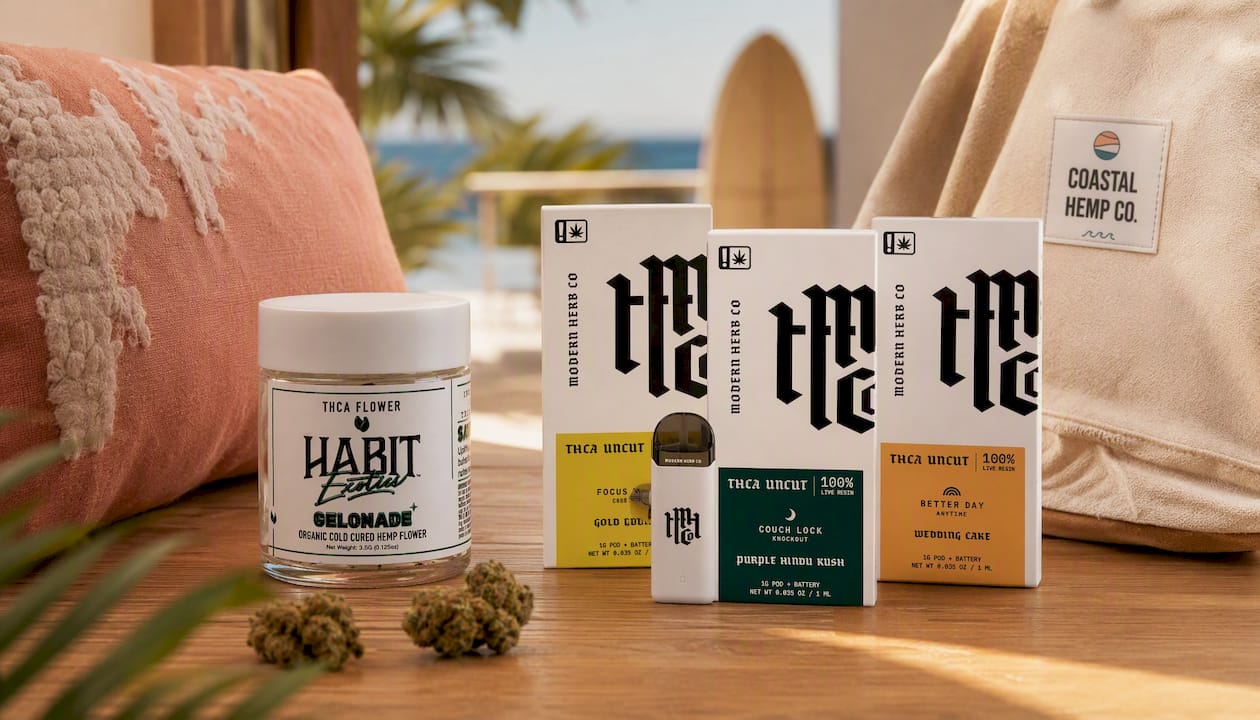
Two products that illustrate what compliant THCA sourcing looks like in practice:
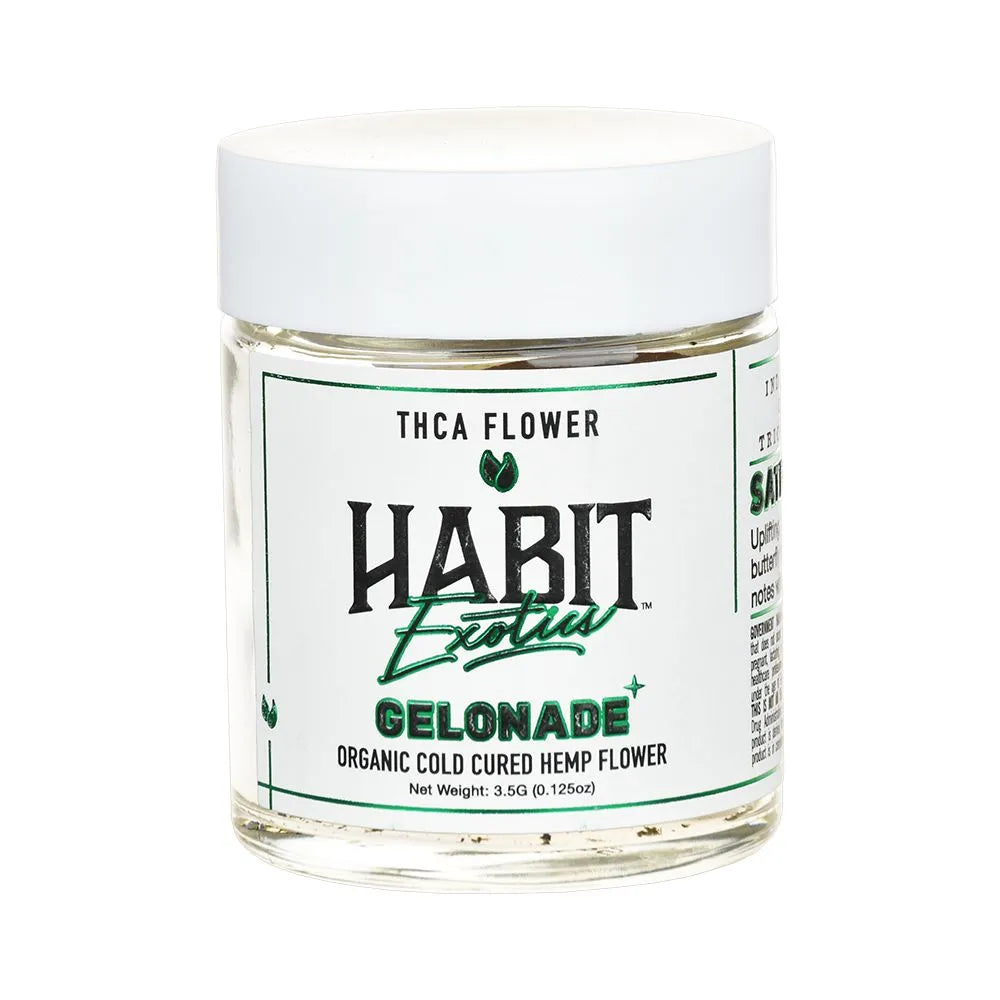
The Habit Exotic THCA Flower 3.5G is an organic hemp flower offering in a 3.5g format, intended for consumers who want a naturally occurring THCA product with full COA transparency. The product page includes batch-specific lab results covering total THC, cannabinoid profile, and contaminant panels.
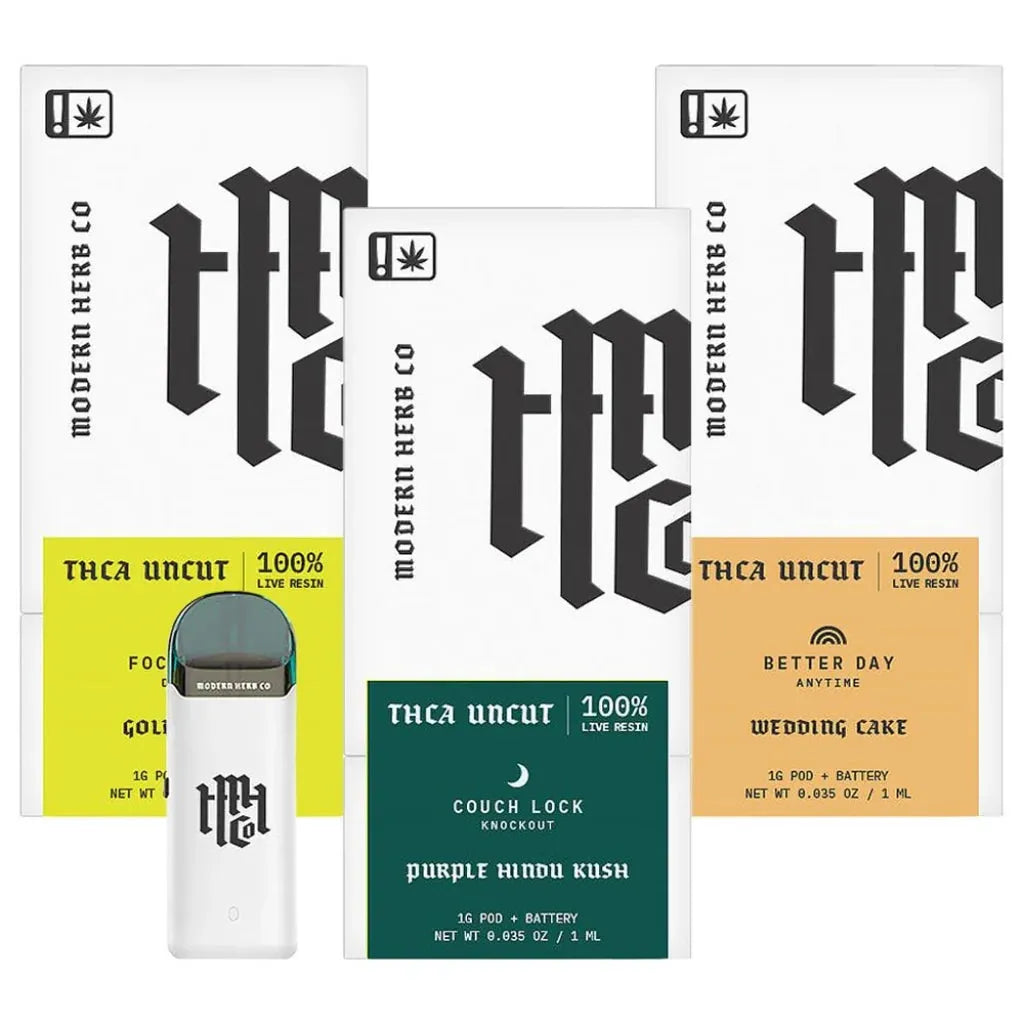
The Modern Herb THCa Live Resin Pod Starter Kit is a concentrate-format option for consumers interested in live resin delivery. The starter kit format makes it accessible for those new to concentrate-based hemp products, and COA details are available on the product page.
Coastalhemp is an online retailer that sells the products featured in this guide. Product pages include affiliated links. Editorial content is produced independently to provide accurate, sourced information.
Browse the full selection and review lab reports at coastalhemp.co.
Useful sources
The following primary sources were used to develop this guide. They are worth bookmarking if you want to track regulatory updates directly.
- Public Law No: 119-37
- Why hemp and marijuana are regulated by different laws : NPR
- Changes to the Statutory Definition of Hemp and Issues for Congress | Congress.gov | Library of Congress
- The 2018 Farm Bill’s Hemp Definition and Legal Challenges to State Laws Restricting Certain THC Products - CRS/EveryCRSReport
- 7 U.S.C. §1639o - Definitions (US Code)
- 5 things to know about delta-8 tetrahydrocannabinol (Delta‑8 THC) | FDA
- ncbi.nlm.nih.gov - review article (PMC6614272)
- pmc.ncbi.nlm.nih.gov - contamination and testing review (PMC10369762)
Check each agency’s page directly for the latest guidance, as enforcement timelines and FDA rulemaking continue to evolve.
FAQ
What hemp-derived compound is most similar to THC?
THCA flower converts to delta-9 THC when heated, making it the closest naturally occurring hemp-derived equivalent. Delta-8 THC produces similar but milder effects, though it is mostly produced through chemical conversion of CBD and carries elevated legal risk under the current federal framework.
What is the strongest legal form of THC from hemp?
THCA flower, once smoked or vaped, delivers delta-9 THC and is the most potent naturally occurring option available from hemp. Federally compliant products must meet the total-THC standard under Pub. L. No. 119-37, so per-container potency is now strictly limited for finished products.
Is delta-8 or delta-9 THC legal under federal law?
Hemp-derived delta-9 THC is federally compliant when total THC stays at or below 0.3% dry weight and the finished product contains no more than 0.4 mg total THC per container. Delta-8 is more complicated: it counts toward the total-THC threshold, and synthesized versions are likely excluded from the hemp definition entirely under Pub. L. No. 119-37.
Will hemp-derived THC alternatives show up on a drug test?
Most intoxicating hemp-derived cannabinoids, including delta-8, delta-10, THCA (when heated), and HHC, can trigger a positive result on standard urine drug screens. These compounds share metabolic pathways with delta-9 THC, and standard tests do not distinguish between isomers. For detailed guidance, see Coastalhemp’s hemp alternatives drug test guide.
Which hemp cannabinoid alternatives are non-intoxicating?
CBD, CBG, CBN (at typical doses), and CBD-plus-terpene blends are all non-intoxicating. Raw THCA is also non-intoxicating until it is heated. These options carry the lowest drug-test risk and the clearest federal compliance profile, provided their total-THC levels meet the current standard.


Comments