

Hemp and Mental Clarity: What the Science Actually Says
Hemp-derived CBD and hemp seed oil can support mental clarity, but not the way most people expect. They are not stimulants. The more accurate picture, supported by endocannabinoid system research and a growing body of clinical reviews, is that these compounds work indirectly: by reducing anxiety, improving sleep quality, and supplying neuroprotective nutrients that help the brain function with less interference. The result, when it works, feels like quieter mental noise rather than a caffeine-style boost. Benefits are dose-dependent, product-dependent, and backed by mixed clinical evidence, so realistic expectations matter as much as product quality. Coastalhemp carries a curated selection of tested hemp products for readers ready to explore this carefully.
Key Takeaways
Hemp supports mental clarity primarily by reducing anxiety and improving sleep, not by acting as a cognitive stimulant, and the strongest evidence for this comes from human trials showing subjective rather than objective improvements.
| Point | Details |
|---|---|
| Hemp is not a stimulant | CBD works by buffering stress and reducing anxiety; perceived clarity is a downstream effect, not direct stimulation. |
| Evidence is promising but mixed | Human trials show subjective clarity and anxiety improvements; objective cognitive gains are not consistently demonstrated. |
| Hemp seed oil is nutritional | Its omega fatty acids and tocopherols support neuronal health over time; do not expect acute ECS-mediated effects from seed oil. |
| Start low and track carefully | Begin at 10–15 mg CBD daily, hold a stable dose for at least 2–4 weeks, and use objective metrics alongside subjective ratings. |
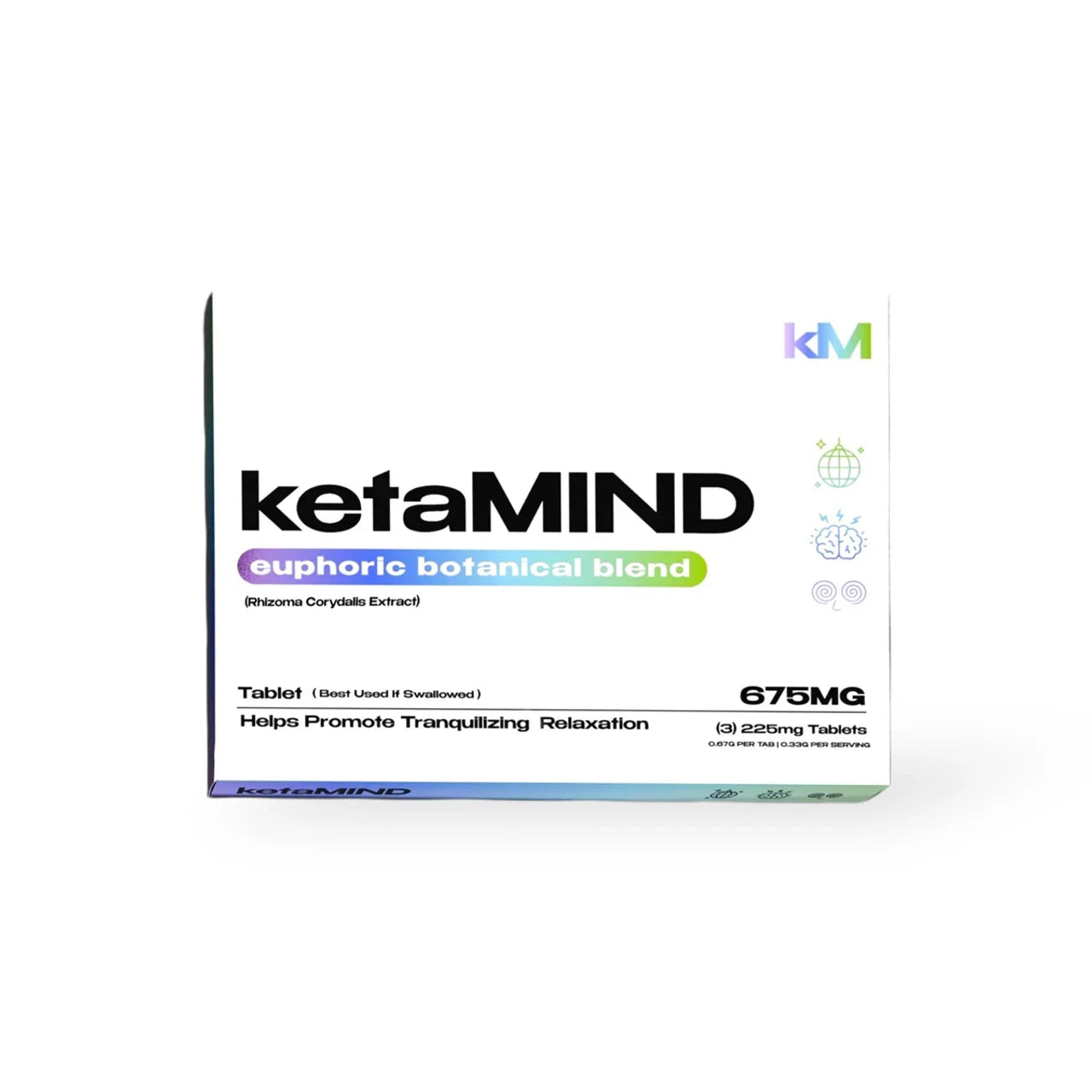
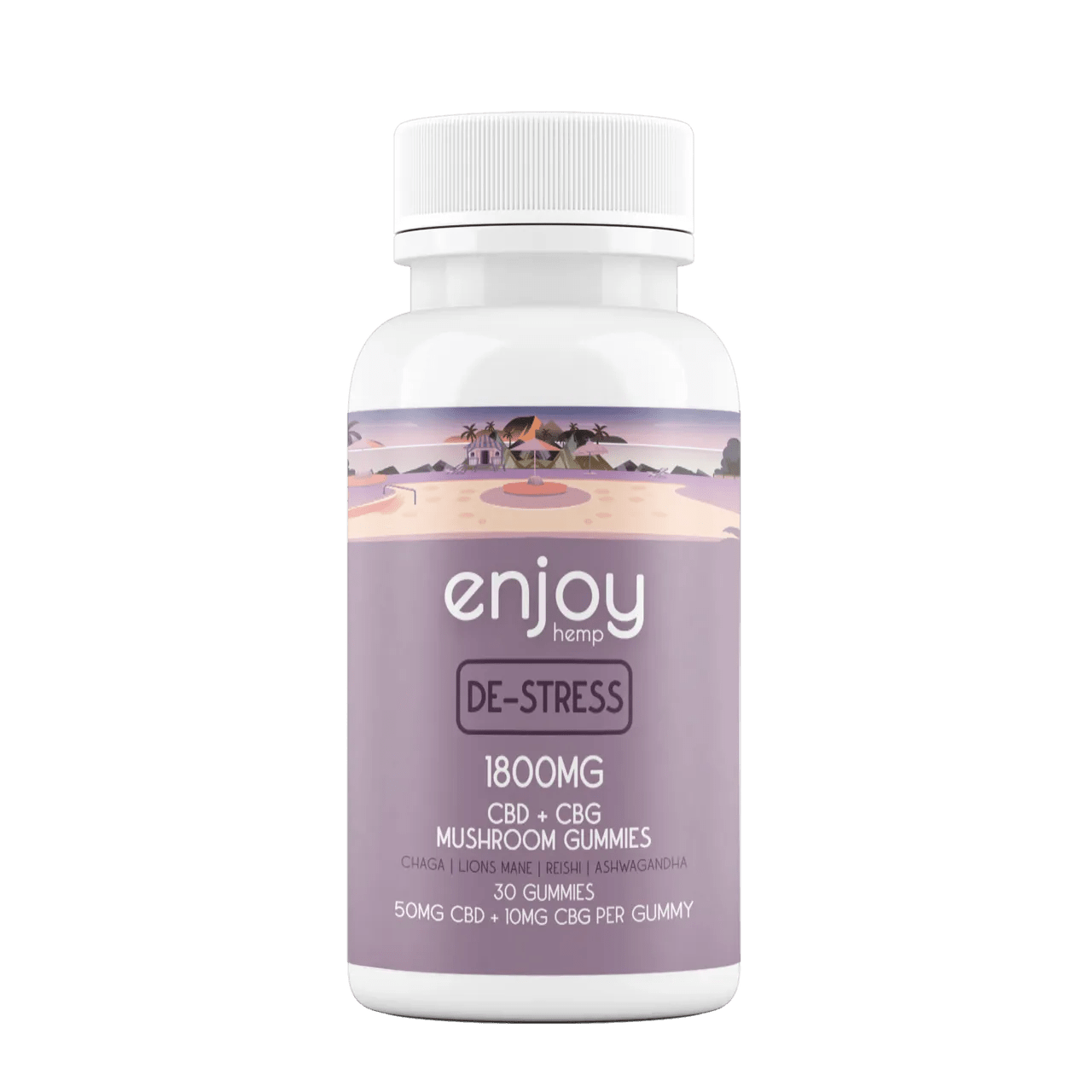
| Coastalhemp for tested options | The ketaMIND Blend and Enjoy De-Stress Gummies are COA-verified products that fit daytime focus and stress-relief clarity goals. |
Further reading and primary sources
- The Endocannabinoid System in Neuropsychiatric Disorders: Foundational review of ECS mechanisms, stress regulation, and synaptic plasticity relevant to cognitive wellness.
- CBD for Cognitive Impairments: Randomized Trial Review: The most comprehensive synthesis of human trial data on CBD and cognition; essential for understanding evidence variability.
- Acute CBD and Performance Meta-Analysis: Confirms CBD does not impair objective performance and quantifies the subjective sedation signal.
- Hemp Seed Oil in Aging Rat Models: Animal evidence for neuroprotective and gut-microbiome effects; read with appropriate caution about human translation.
- CBD’s Impact on Psychiatric and Medical Conditions: Broad clinical review covering anxiolytic, anti-inflammatory, and neuroprotective evidence with honest regulatory context.
- FDA on Hemp and the 2018 Farm Bill: Primary source for the federal legal definition of hemp and the regulatory baseline for U.S. consumers.
Table of Contents
- What is hemp mental clarity, and how do the terms differ?
- How hemp compounds can plausibly influence mental clarity
- What does the research actually show?
- Does hemp seed oil specifically support brain health?
- What product forms do people use for mental clarity?
- How should you dose and time hemp for mental clarity?
- What are the safety and legal basics for hemp in the United States?
- How do you choose a quality hemp product for mental clarity?
- A 30-day trial plan to test whether hemp helps your mental clarity
- Sources
- FAQ
What is hemp mental clarity, and how do the terms differ?
Before evaluating whether hemp can sharpen your thinking, the terminology needs to be clear. These are not interchangeable words, and the differences carry real legal and biological weight.
- Hemp: Cannabis sativa L. plants containing no more than 0.3% delta-9-THC by dry weight. This threshold, established by the 2018 Farm Bill, is what separates federally legal hemp from marijuana under U.S. law.
- Marijuana: Cannabis sativa plants exceeding 0.3% delta-9-THC. Psychoactive at typical doses; federally classified as a Schedule I substance.
- CBD (cannabidiol): A non-intoxicating cannabinoid extracted from hemp flowers and leaves. It does not produce a “high” and is the compound most studied for anxiety, sleep, and cognitive wellness.
- Hemp seed oil: Cold-pressed oil from hemp seeds. Contains no meaningful CBD or THC. Its cognitive-support role is nutritional, not pharmacological.
- Full-spectrum extract: Contains CBD plus trace cannabinoids, terpenes, and up to 0.3% THC.
- Broad-spectrum extract: Similar to full-spectrum but with THC removed.
- CBD isolate: Pure cannabidiol with no other plant compounds.
State laws vary significantly beyond the federal baseline. Some states restrict hemp-derived cannabinoids more tightly than federal rules require, so checking your state’s current regulations before purchasing is worth the two minutes it takes.
How hemp compounds can plausibly influence mental clarity
CBD modulates the endocannabinoid system (ECS) to buffer stress and stabilize neurotransmission rather than act as a stimulant. That distinction is the key to understanding why users describe hemp’s cognitive effect as “clearer” rather than “sharper.”
The ECS functions as a homeostatic regulator, managing stress responses, synaptic plasticity, and emotional processing through CB1 and CB2 receptors, endogenous cannabinoids like anandamide, and enzymes (FAAH, MAGL) that break them down. When the system is dysregulated by chronic stress or poor sleep, cognitive “noise” increases. CBD appears to slow anandamide breakdown and interact with CB1 receptors in ways that reduce that noise rather than amplify output.
Beyond the ECS, CBD interacts with serotonin 5-HT1A receptors, which regulate anxiety and mood, and modulates GABAergic and glutamatergic signaling to influence the balance between neural excitation and inhibition. Disrupted excitatory-inhibitory balance is associated with difficulty concentrating and racing thoughts. Stabilizing it, even modestly, can translate to perceptible improvements in focus. ECS interactions with dopaminergic pathways also influence motivation and prefrontal cortex function, which is why some users report improved attention alongside reduced anxiety.
Statistic callout: A meta-analysis of 16 controlled human trials found that acute CBD produced a small increase in subjective sedation but no consistent objective impairment across cognitive and psychomotor tests. In other words, you may feel calmer, but your performance does not measurably decline.
Hemp seed oil contributes through a different pathway entirely. Its approximately 80% polyunsaturated fatty acid content, including linoleic acid (LA), alpha-linolenic acid (ALA), and gamma-linolenic acid (GLA), supports neuronal membrane integrity and anti-inflammatory processes. Healthy neuronal membranes improve signal transmission efficiency. The tocopherols (vitamin E compounds) in hemp seed oil add antioxidant protection that may slow oxidative stress in neural tissue.
What does the research actually show?
Human trials show promise for anxiety and sleep benefits that indirectly improve clarity. Direct, repeatable cognitive enhancement evidence is limited and should be interpreted carefully.
What human studies support:
- A comprehensive review of randomized trials found CBD improved anxiety or cognitive symptoms in some trials, but results varied significantly by dose, formulation, and study population. No single protocol has been validated across multiple high-quality trials.
- A randomized pilot trial using 150 mg of oral CBD nightly in people with insomnia found improved subjective clear-headedness and calmness over two weeks, but no objective daytime cognitive performance gains on standardized tests.
- The meta-analysis cited above confirmed that acute CBD does not impair performance, which is relevant for daytime users concerned about cognitive side effects.
- CBD’s broader therapeutic profile includes anxiolytic, anti-inflammatory, and neuroprotective properties, though regulatory approvals remain limited. Epidiolex, the only FDA-approved CBD medication, is approved for epilepsy only.
Preclinical work shows hempseed extracts can mitigate neuroinflammatory cytokines and improve learning and memory measures in LPS-induced mouse models. These findings support the biological plausibility of neuroprotection but cannot be directly applied to human dosing or outcomes.
On evidence limitations: Small sample sizes, variable CBD formulations, confounding trace THC, short follow-up periods, and large placebo effects all limit confidence in current findings. Subjective clarity measures are especially susceptible to expectation effects. Objective tracking, such as timed attention tasks, matters when you are personally evaluating a hemp product.
Does hemp seed oil specifically support brain health?
Hemp seed oil supports brain health through nutrition rather than ECS modulation. Its cognitive-support role is complementary and should not be conflated with the pharmacological effects of cannabinoid-rich extracts.
The omega-6:omega-3 ratio in hemp seed oil sits around 3:1, which aligns with ratios associated with reduced systemic inflammation. Animal aging models show hemp seed oil can reverse age-related metabolite changes and modify gut microbiota in ways that correlate with improved cognitive behaviors. Human confirmation of these effects is still needed.
Pro Tip: Store cold-pressed hemp seed oil in a dark glass bottle in the refrigerator. Heat and light degrade polyunsaturated fatty acids quickly. Use it as a finishing oil on salads or smoothies rather than cooking with it to preserve the full nutrient profile.
What product forms do people use for mental clarity?
The right format depends on how fast you need effects, how long you need them to last, and whether your goal is acute stress relief or long-term nutritional support.
Microdosing, typically 5–15 mg of CBD taken once or twice daily, is the approach most associated with subtle clarity improvements without sedation. Higher doses lean toward sleep support and anxiety relief rather than daytime sharpness. Nighttime use of CBD for sleep-related clarity is a distinct strategy from daytime cognitive support, and the two should not be conflated in your trial design.
Product labeling inconsistency is a real risk. Third-party testing data shows that cannabinoid content in unlabeled or poorly labeled products can differ substantially from what the label states. Always verify a Certificate of Analysis (COA) before purchasing. You can find more detail on hemp focus supplement formats that align with specific clarity goals.
How should you dose and time hemp for mental clarity?
Start low, go slow, and track objective and subjective markers over weeks. Clarity is dose-dependent and person-dependent, and there is no universal protocol that works for everyone.
- Establish a baseline (Days 1–3). Before taking any hemp product, rate your average sleep quality, anxiety level, and perceived mental clarity on a 1–10 scale each morning. This gives you a real comparison point.
- Start at 10–15 mg CBD daily (Days 4–7). Take it at the same time each day. Morning dosing suits daytime clarity goals; evening dosing suits sleep-related clarity improvements.
- Assess at one week. If you notice no change and no side effects, increase by 5–10 mg. If you feel mild sedation, stay at the starting dose or shift timing to evening.
- Stabilize for two weeks (Days 8–21). Hold your dose steady. Consistency matters more than size at this stage. Record sleep quality, anxiety, and a simple objective task (e.g., a timed reading comprehension exercise or a free app-based attention test) three times per week.
- Reassess at Day 30. Compare your tracked metrics to baseline. Subjective improvements without objective changes may reflect placebo effects or genuine anxiety reduction. Both are worth noting, but they call for different conclusions.
A minimum trial of 2–4 weeks at a stable dose is necessary before drawing conclusions. Clinical outcomes for CBD vary significantly with formulation, dose, and individual profile, so patience and consistency are the two most important variables you control. For structured titration guidance, Coastalhemp’s dosage best practices guide covers this in practical detail.
What are the safety and legal basics for hemp in the United States?
CBD and hemp seed oil are generally well tolerated, but sedation, medication interactions, and trace THC exposure are real considerations that deserve attention before you start.
Common side effects to monitor:
- Mild sedation or drowsiness, particularly at higher doses
- Dry mouth
- Reduced appetite
- Diarrhea at high doses (above 300 mg/day in some trials)
- Transient blood pressure changes
Populations who should consult a healthcare provider first:
- Pregnant or nursing individuals
- Anyone taking medications metabolized by CYP450 liver enzymes (including blood thinners, antiepileptics, and some antidepressants)
- People with liver conditions
- Those with a history of psychosis or THC sensitivity
Drug interaction note: CBD inhibits CYP3A4 and CYP2C19 enzymes, which process a wide range of common medications. This can raise or lower drug plasma levels unpredictably. If you take any prescription medication, discuss CBD use with your pharmacist or prescribing physician before starting. This is not a minor caution.
**U.S. State laws vary, and some states impose stricter limits on specific cannabinoids. Employer drug testing is a separate concern: even trace THC from full-spectrum products can accumulate and trigger a positive result. Request a COA showing non-detectable THC if workplace testing is a risk for you. For a broader look at daily hemp edible safety, Coastalhemp’s guide covers what to watch for with consistent use.
This article provides general information, not medical or legal advice. Confirm current state regulations and consult a qualified healthcare provider before using hemp products, especially if you take prescription medications.
How do you choose a quality hemp product for mental clarity?
Prioritize third-party testing, clear potency labeling, and a spectrum type that matches your tolerance for trace THC. Those three criteria filter out the majority of low-quality products on the market.
Quality checklist before you buy:
- Certificate of Analysis (COA): A current COA from an accredited third-party lab is non-negotiable. It should confirm cannabinoid potency, absence of pesticides, heavy metals, and residual solvents.
- Clear dosing per serving: The label should state milligrams of CBD (or other cannabinoids) per serving, not just per bottle.
- Spectrum type: Full-spectrum for the entourage effect (with trace THC); broad-spectrum if you want zero THC; isolate for the purest CBD with no other plant compounds.
- Extraction method: CO2 extraction is the industry standard for clean, consistent output. Solvent-based extraction is acceptable if the COA confirms no residual solvents.
- Ingredient transparency: No proprietary blends that obscure individual cannabinoid amounts.
Red flags to avoid:
- No COA, or a COA older than 12 months
- Vague potency claims (“rich in CBD” with no milligram count)
- Health claims that promise to treat, cure, or prevent specific conditions
- No clear contact information or return policy
Questions worth asking a vendor: Who is the third-party lab? What is the batch number on the COA? Does the product contain any added THC beyond what occurs naturally in the hemp extract? For a deeper look at hemp product formats designed for focus, Coastalhemp’s product pages include COA access and clear cannabinoid breakdowns.
A 30-day trial plan to test whether hemp helps your mental clarity
Commit to a structured 30-day trial with standardized dosing, objective tracking, and predefined success criteria. Without structure, it is nearly impossible to separate real benefit from placebo response or natural day-to-day variation.
Week-by-week plan:
- Week 1 (Baseline): No hemp product. Track sleep quality (1–10), morning anxiety (1–10), and a simple timed focus task daily. Establish your personal baseline numbers.
- Week 2 (Titration): Begin at 10–15 mg CBD daily. Continue tracking. Note any side effects, timing of doses, and context (stress level, caffeine intake, sleep hours).
- Week 3 (Stabilization): Hold your dose steady. Add a second objective measure if possible, such as a free cognitive app test or a work productivity metric you can quantify.
- Week 4 (Reassessment): Compare all tracked metrics to Week 1 baseline. Decide whether to continue, adjust dose, or discontinue.
Sample tracking log:
Consult a healthcare provider if you experience unexpected side effects at any point. For additional context on how hemp supports mood regulation alongside clarity, Coastalhemp’s educational content covers the overlap between emotional balance and cognitive performance.
What Coastalhemp has learned from helping customers
Customers who report the clearest subjective improvements from hemp products tend to share a few consistent patterns: they started at low doses, stayed consistent for at least three weeks, and were using hemp primarily to address anxiety or disrupted sleep rather than expecting a direct cognitive boost. When the anxiety quiets or sleep improves, the mental clarity often follows as a downstream effect rather than a primary pharmacological outcome.
One practical tip the Coastalhemp team consistently reinforces: always verify the COA before your first order, and pair your CBD routine with basic nutritional support, including omega-3 intake, whether from hemp seed oil or another source. The combination of ECS modulation and solid neuronal nutrition tends to produce more consistent results than either approach alone.
Hemp products worth trying for your clarity trial
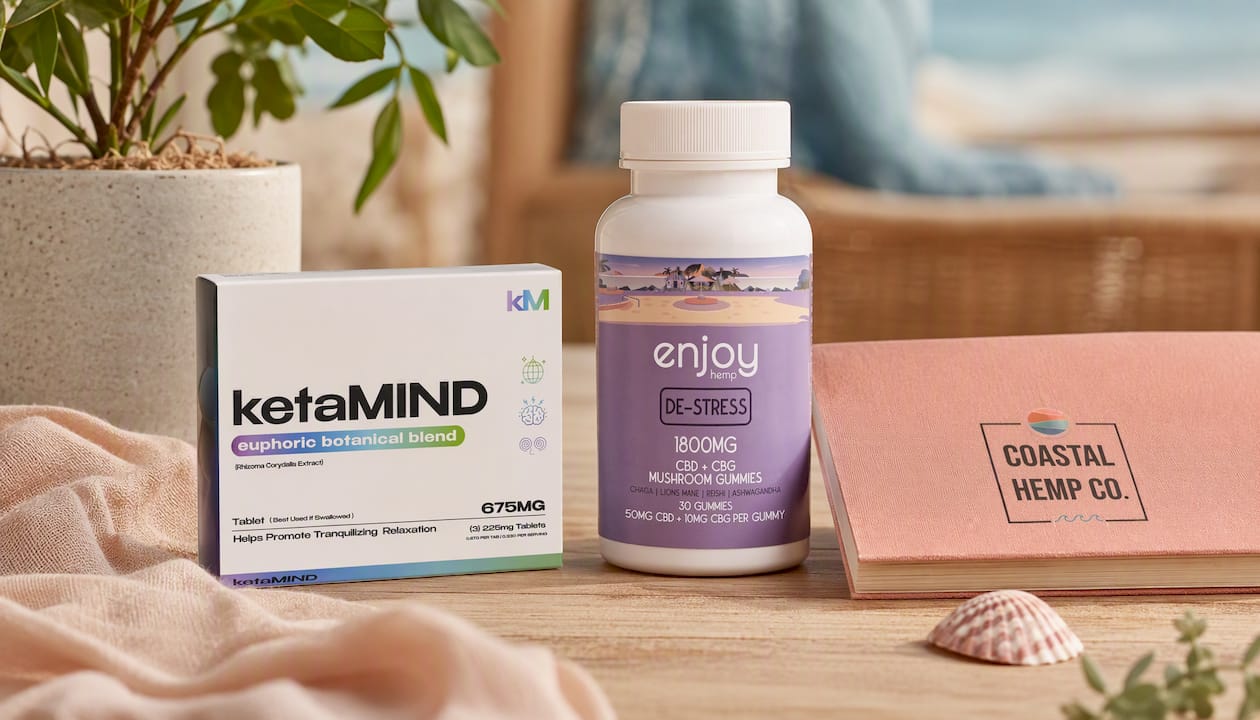
If you are ready to run the 30-day trial plan, Coastalhemp offers two products that fit different points in that protocol. The ketaMIND Euphoric Botanical Blend is a 675 mg botanical blend designed for mental uplift and focus, making it a strong fit for daytime use during your stabilization weeks. For stress-driven clarity goals, the Enjoy De-Stress Gummies combine CBD, CBG, and functional mushrooms to address the anxiety and tension that most commonly interfere with clear thinking. Both products come with COA access. Start with the lower end of the recommended serving, track your results against your baseline, and give it the full 30 days before drawing conclusions.
Sources
- The Endocannabinoid System in Neuropsychiatric Disorders: Mechanisms, Dysregulation and Therapeutic Potential
- Cannabidiol, a plant-derived compound, is an emerging strategy for treating cognitive impairments: comprehensive review of randomized trials
- Does acute cannabidiol (CBD) use impair performance? A meta-analysis and comparison with placebo and delta-9-tetrahydrocannabinol (THC)
- Hemp seed oil modulates metabolic networks and gut microbiota and improves cognitive function in D-galactose-induced aging rats
- The Impact of Cannabidiol on Psychiatric and Medical Conditions
FAQ
What does hemp do to your brain?
Hemp-derived CBD interacts with the endocannabinoid system, serotonin receptors, and GABAergic signaling to reduce anxiety and buffer stress responses. It does not produce intoxication at legal hemp THC levels, and a meta-analysis of controlled trials found no consistent objective cognitive impairment from acute CBD use.
Is hemp good for mental health?
CBD shows the most consistent evidence for anxiety reduction across human trials, with some support for sleep improvement. Direct antidepressant or mood-disorder treatment evidence is more limited, and CBD is not a substitute for clinically approved mental health treatments.
Which is better for anxiety, CBD or hemp seed oil?
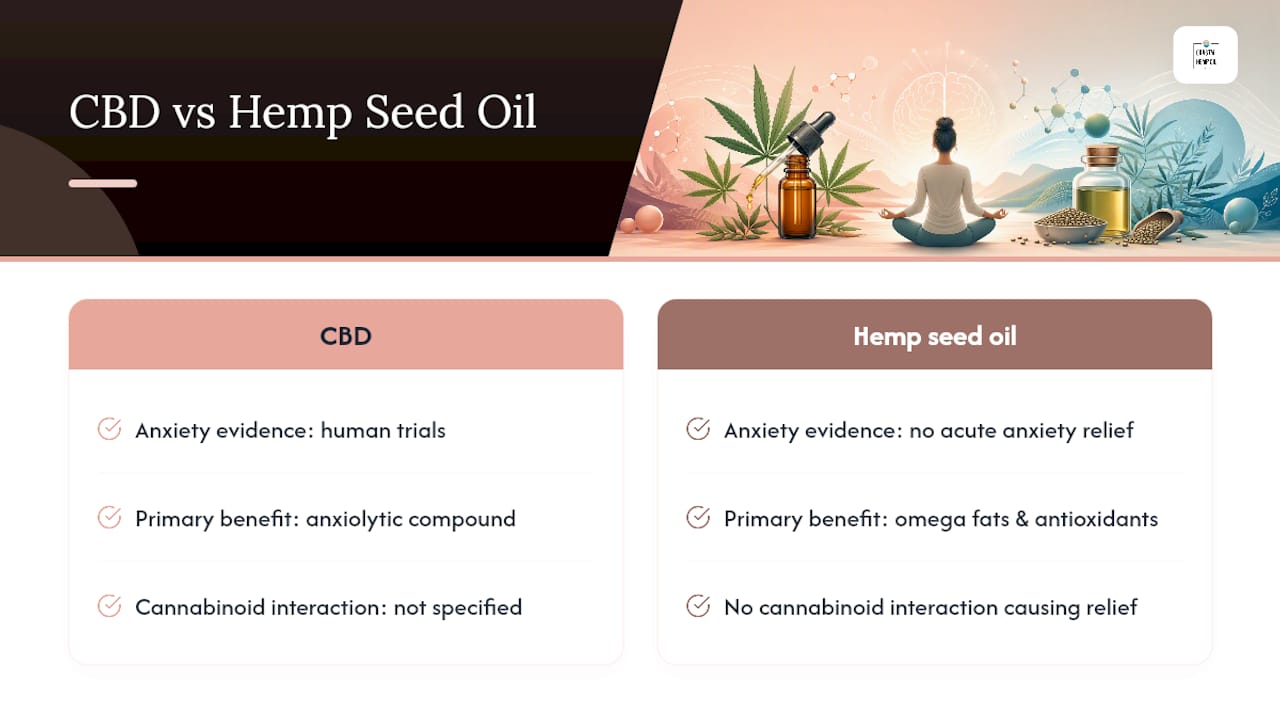
CBD is the compound with documented anxiolytic activity in human trials. Hemp seed oil provides nutritional support through omega fatty acids and antioxidants but does not interact with cannabinoid receptors in a way that produces acute anxiety relief.
Does CBD give mental clarity?
CBD does not directly stimulate cognition. Most reported clarity benefits reflect reduced anxiety or improved sleep rather than pharmacological cognitive enhancement. A randomized insomnia trial found improved subjective clear-headedness with nightly CBD use, but no objective daytime cognitive performance gains.
How long does it take to notice clarity benefits from hemp?
Consistent effects typically require 2–4 weeks at a stable dose. Acute doses may produce a calmer feeling within an hour, but meaningful changes in sleep quality and anxiety, the primary drivers of clarity improvement, accumulate over weeks of regular use.


Comments