
What Hemp Appetite Stimulation Really Means for Hunger
Hemp appetite stimulation refers to the orexigenic, or hunger increasing, effect that happens when hemp derived cannabinoids activate the body’s endocannabinoid system. Among these compounds, delta-9-THC is the one with the strongest scientific backing for actually driving hunger. That said, the size of the effect depends heavily on dose, product formulation, and your own biology.
- The core mechanism: THC binds CB1 receptors concentrated in appetite control centers of the brain.
- The variable: individual response swings widely based on tolerance, fasting state, and how the product is delivered.
Key Takeaways
THC remains the best-documented driver of hemp-related appetite stimulation, though its clinical effect varies by dose, route, and population.
| Point | Details |
|---|---|
| THC drives the effect | Delta-9-THC activates CB1 receptors in the hypothalamus, the primary mechanism behind hemp-related hunger increases. |
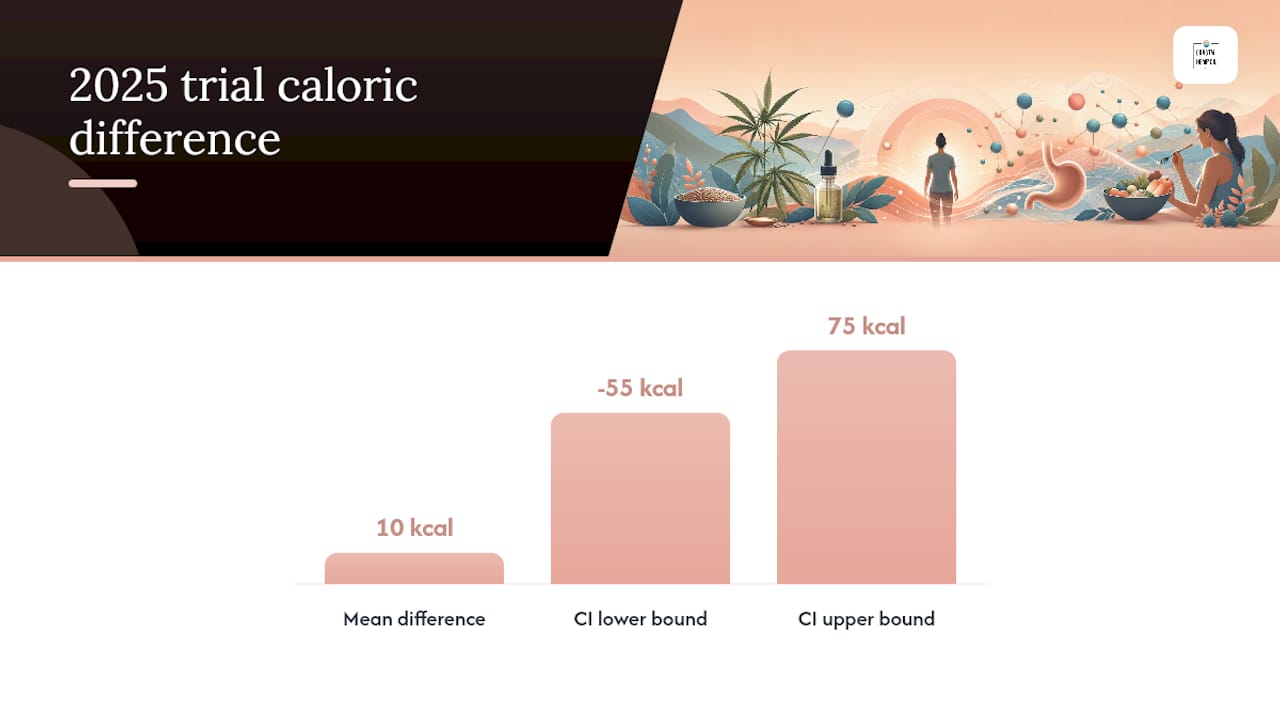
| Evidence is mixed clinically | A 2025 RCT found no significant caloric intake difference (10 kcal, CI -55 to 75) from an 8.1 mg THC/7.5 mg CBD spray. |
| Route changes the outcome | Oral cannabis produced a larger ghrelin spike than smoked or vaporized forms in controlled lab testing. |
| Safety matters | Dizziness, anxiety, and CYP450 drug interactions mean anyone on sedatives or anticoagulants should consult a clinician first. |
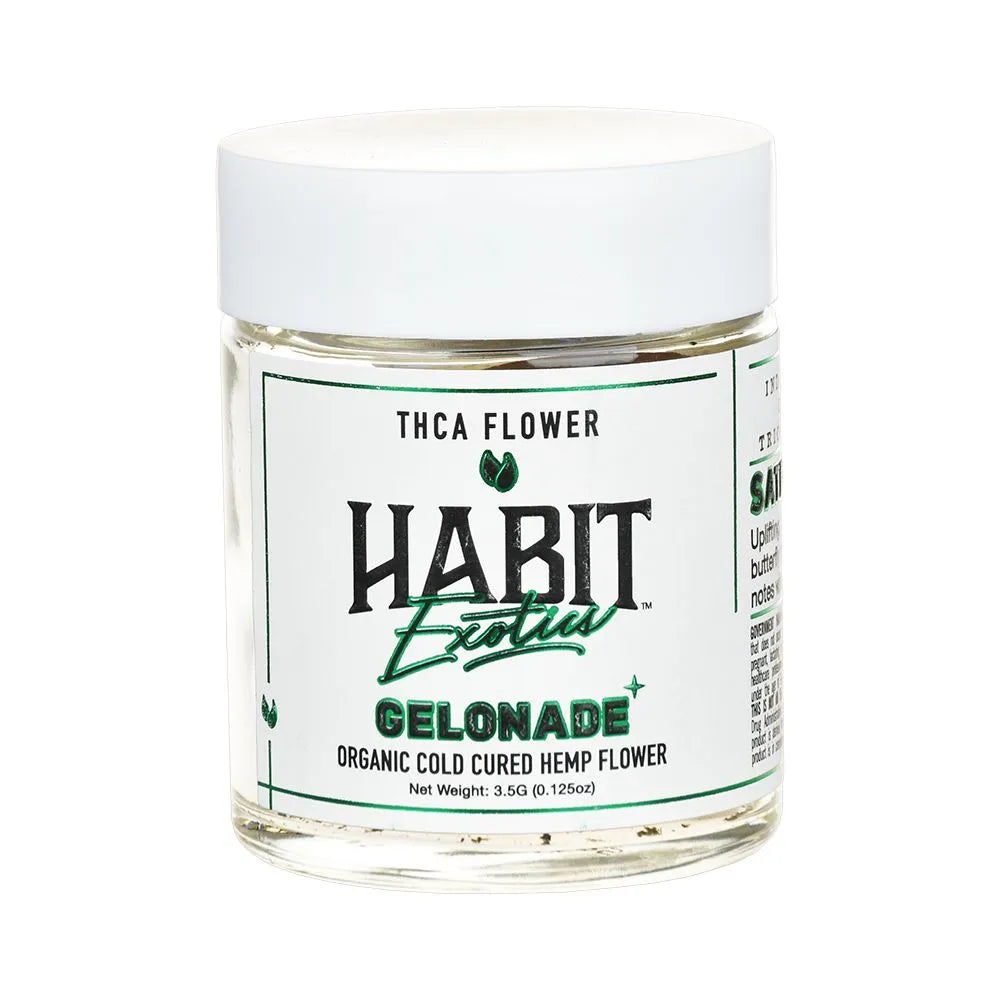
| Coastalhemp offers labeled options | Products like Habit Exotic THCA Flower give experienced users a clearly labeled route to explore THC’s effects. |
Table of Contents
- What Is Hemp Appetite Stimulation on a Biological Level?
- Which Hemp Cannabinoids Actually Increase Hunger?
- What Does the Clinical Research Actually Show?
- Does Delivery Method Change How Hemp Affects Hunger?
- Is Hemp Appetite Stimulation Safe for Everyone?
- How Reliable Is the Current Research on Hemp and Hunger?
- How Coastalhemp Approaches Appetite-Focused Products
- Finding the Right Hemp Product for Your Goals
- Sources
- FAQ
What Is Hemp Appetite Stimulation on a Biological Level?
CB1 receptor activation in the hypothalamus is what turns on food seeking behavior, and it does so by flipping a switch in neurons that were built specifically for that job. THC and other cannabinoids that reach the brain concentrate heavily in the hypothalamus and limbic reward regions, areas that regulate feeding behavior through a tight loop of hormones and neural circuits. When CB1 receptors activate, they ramp up AgRP and NPY neurons, the cells responsible for signaling hunger, while dialing down POMC neurons that normally suppress appetite.
Ghrelin, the hormone your stomach releases when it’s empty, works alongside this system rather than against it. Cannabinoid signaling appears to interact with ghrelin and dopamine reward pathways, which increases the incentive value of palatable food rather than just triggering hunger as a raw reflex. That’s part of why cannabis “munchies” tend to gravitate toward salty or sweet food rather than a plain chicken breast.
The dose matters too. Low to moderate CB1 activation tends to produce hyperphagia (increased eating), but higher doses can produce inconsistent or even opposite effects in some users. Central CB1 receptor signaling maintains energy balance in ways that aren’t purely linear with dose.
Pro Tip: Your starting point matters as much as the product. A fasted state combined with low cannabinoid tolerance tends to produce the strongest acute appetite response, while a full stomach or heavy prior use can blunt it considerably.
Which Hemp Cannabinoids Actually Increase Hunger?
THC is the clear answer: delta-9-THC is the primary orexigenic cannabinoid, and nothing else in the hemp cannabinoid family comes close in terms of evidence. THCA, its non-psychoactive precursor, only becomes active after decarboxylation, so its raw appetite effect on its own is minimal until heat converts it. That conversion detail matters more than most people realize when they’re comparing flower products, since decarboxylation status determines whether a hemp product is even psychoactive in the first place.
CBD, by contrast, is generally non-orexigenic or, at most, context-dependent in its effect on hunger. CBN and other minor cannabinoids sit in “limited evidence” territory. Curious readers exploring lesser-known compounds like THCV will find some cannabinoids actually suppress appetite rather than stimulate it, which underscores why lumping “cannabinoids” together as one category misses the real story.
- THC: primary orexigenic compound, well documented mechanism.
- THCA: minimal effect until decarboxylated into THC.
- CBD: typically neutral, sometimes context-dependent.
- CBN/minor cannabinoids: evidence too sparse to draw firm conclusions.
Here’s how that breaks down across appetite effect, evidence strength, and route:
| Cannabinoid | Effect on Appetite | Strength of Evidence | Onset/Duration by Route |
|---|---|---|---|
| THC (delta-9) | Orexigenic | Strong mechanistic, mixed clinical | Fast (inhaled) to slow (oral edible) |
| THCA (pre-decarb) | Minimal/unknown | Sparse | N/A until converted |
| CBD | Neutral/context-dependent | Moderate | Slow onset, longer duration |
| CBN | Unclear | Limited | Slow onset (oral) |
Product examples on the market illustrate this range well. Habit Exotic THCA Flower 3.5G converts to active THC once heated, putting it firmly on the orexigenic side of the spectrum for experienced users. Enjoy Sleep Gummies CBD+CBN 220 mg and Enjoy De-Stress Gummies with CBD, CBG, and mushroom blend sit on the opposite end. They’re formulated for rest and calm, not hunger, and shouldn’t be mistaken for appetite tools.
What Does the Clinical Research Actually Show?
Clinical evidence supports THC’s appetite effects in specific settings, but results vary considerably by population and outcome measured. Mechanistic and reward-based studies consistently tie CB1 agonism to increased appetite, and reviews on endogenous cannabinoids and food reward back this up going back nearly two decades.
But a 2025 finding complicates the simple “cannabis equals munchies” narrative. A triple-blinded, randomized, placebo-controlled trial tested an oromucosal spray delivering 8.1 mg THC plus 7.5 mg CBD in older adults with poor appetite.
The result: mean caloric intake differed by just 10 kcal between the THC/CBD group and placebo, with a confidence interval spanning -55 to 75 kcal, a gap with no statistical significance.
That single trial doesn’t erase decades of mechanistic evidence, but it’s a serious caution against assuming the acute “munchies” experience translates cleanly into clinical populations, especially older adults with different metabolic and endocannabinoid baselines. Conditions like cancer cachexia and HIV-associated wasting have historically shown better documented benefit than general appetite loss in aging populations.
- Mechanistic studies: strong, consistent link between CB1 activation and hunger.
- Clinical trials in specific populations: mixed, sometimes null results.
- Best supported use cases: cachexia and wasting syndromes, not general appetite loss.
Does Delivery Method Change How Hemp Affects Hunger?
Route and formulation shape onset, peak intensity, and duration of appetite effects more than most people expect. Inhaled cannabinoids hit fastest and fade quickest. Oral edibles take longer to kick in but last considerably longer because of first-pass liver metabolism. Oromucosal sprays, absorbed partly through the mouth’s mucous membranes, land somewhere in between.
This isn’t just about timing. A human lab study comparing oral, smoked, and vaporized cannabis found that oral administration produced a notably larger spike in ghrelin than either smoked or vaporized routes, tying the delivery method directly to hormone-level appetite changes rather than just subjective hunger reports.
- Start low and go slow, especially with edibles, since understanding how edibles metabolize explains why effects take longer to arrive and longer to fade.
- Wait at least two hours before redosing an edible; the delayed onset is real and dosing too fast is the most common mistake.
- Oromucosal formats allow more predictable titration, which matters in a clinical or therapeutic context.
- Combined THC plus CBD formulations may blunt or modulate the appetite response compared to THC alone, so labeled cannabinoid content matters for anyone tracking results.
Is Hemp Appetite Stimulation Safe for Everyone?
Appetite stimulation through psychoactive cannabinoids carries predictable, well-documented side effects. Dizziness, short-term cognitive fog, and anxiety are the most common complaints, and anyone taking sedatives, anticoagulants, or managing a psychiatric history should talk to a clinician before using THC for this purpose.
Common acute effects include dry mouth, mild sedation, and altered perception of time. Longer-term, chronic use can build tolerance to the appetite-boosting effect itself. Interestingly, some epidemiological data links long-term cannabis use to lower average BMI, a paradox likely tied to tolerance and compensatory metabolic changes rather than any single mechanism. Readers managing tolerance shifts can find practical strategies in this guide to THC tolerance management.
THC and CBD can also interact with medications metabolized through the CYP450 liver enzyme pathway, which covers a wide range of prescriptions. Pregnancy, breastfeeding, a history of psychosis, and certain cardiac conditions are all reasons to avoid THC-based appetite products entirely. Always check labels closely, since hemp-derived delta-9 THC and traditional cannabis products carry different legal and labeling frameworks that affect potency and availability.
How Reliable Is the Current Research on Hemp and Hunger?
High-quality mechanistic evidence firmly links CB1 activation to appetite, but clinical trial results shift depending on population and what’s actually being measured. The 2025 triple-blinded RCT stands out precisely because it was well-controlled, and it tempers any assumption that appetite stimulation works the same way in a healthy 25-year-old as it does in an older adult with clinical appetite loss.
Real gaps remain: dose-response trials across different cannabinoid ratios, head-to-head comparisons between delivery routes, and long-term safety data in target patient populations are all thin. For clinicians or researchers digging deeper, the hypothalamic signaling review and the 2025 RCT are the two most load-bearing sources in this space right now.
- Strong: mechanistic CB1 to hypothalamus pathway.
- Weak: consistent clinical translation across age and condition.
- Missing: dose-response and route comparison data in humans.
How Coastalhemp Approaches Appetite-Focused Products
Coastalhemp’s mission has always centered on matching people with hemp products backed by clear, honest science rather than hype. That means treating appetite stimulation as a tool with real variables. Cannabinoid content, route, and dose all shape the outcome, and anyone dealing with serious medical wasting conditions should loop in a clinician rather than self-treat. Transparent labeling and product education guide every recommendation Coastalhemp makes.
Finding the Right Hemp Product for Your Goals
If you’re exploring hemp for appetite support or general comfort, the smartest move is choosing products with clearly labeled THC or THCA content and starting at the lowest reasonable dose. Not every hemp product is built for hunger, and knowing the difference before you buy saves you money and a mismatched experience.

For readers curious about THC’s orexigenic potential, the Habit Exotic THCA Flower 3.5G converts to active THC once decarboxylated, making it a fit for experienced users comfortable dosing flower. If appetite isn’t your goal and rest is, the Enjoy Sleep Gummies CBD+CBN 220 mg 2 Pack is built for winding down, not waking up your hunger. And for stress relief without the psychoactive or appetite-driving effects of THC, the Enjoy De-Stress Gummies with CBD, CBG, and mushroom blend offers a calmer, functional alternative. Whatever you choose, start with a small sample size, track how you respond over a few sessions, and check with a clinician first if you’re managing a medical condition tied to appetite loss. Browse the full lineup at Coastalhemp to find the formulation that actually matches your goal.
Sources
- Randomized controlled trial: THC/CBD oromucosal spray in older adults (2025)
- Hypothalamic cannabinoid signaling: Consequences for eating behavior - PMC
- Effects of oral, smoked, and vaporized cannabis on endocrine pathways related to appetite and metabolism (Translational Psychiatry, 2020)
This article is general information, not a substitute for advice from a qualified doctor. Consult a qualified healthcare professional about your own circumstances before acting on anything here.
FAQ
What Is the Most Powerful Appetite Stimulant in Hemp?
THC (delta-9-THC) is the cannabinoid with the strongest documented orexigenic effect, driven by CB1 receptor activation in the hypothalamus.
Does Hemp Help You Lose Weight?
Not directly, and the evidence actually points the other way for chronic use. Some long-term epidemiological data links regular cannabis use to lower average BMI, likely due to tolerance effects rather than any weight-loss mechanism.
What Are the Best Edibles for Stimulating Appetite?
Edibles containing measurable THC content, like decarboxylated THCA flower once converted, are more likely to stimulate appetite than CBD-dominant formulas such as Coastalhemp’s sleep or de-stress gummies, which aren’t designed for hunger.
Which Cannabinoid Stimulates Appetite the Most Reliably?
THC remains the most reliable and well-studied appetite stimulant among hemp cannabinoids. CBD, CBN, and THCA in its raw acid form show far less consistent or documented orexigenic activity.


Comments